
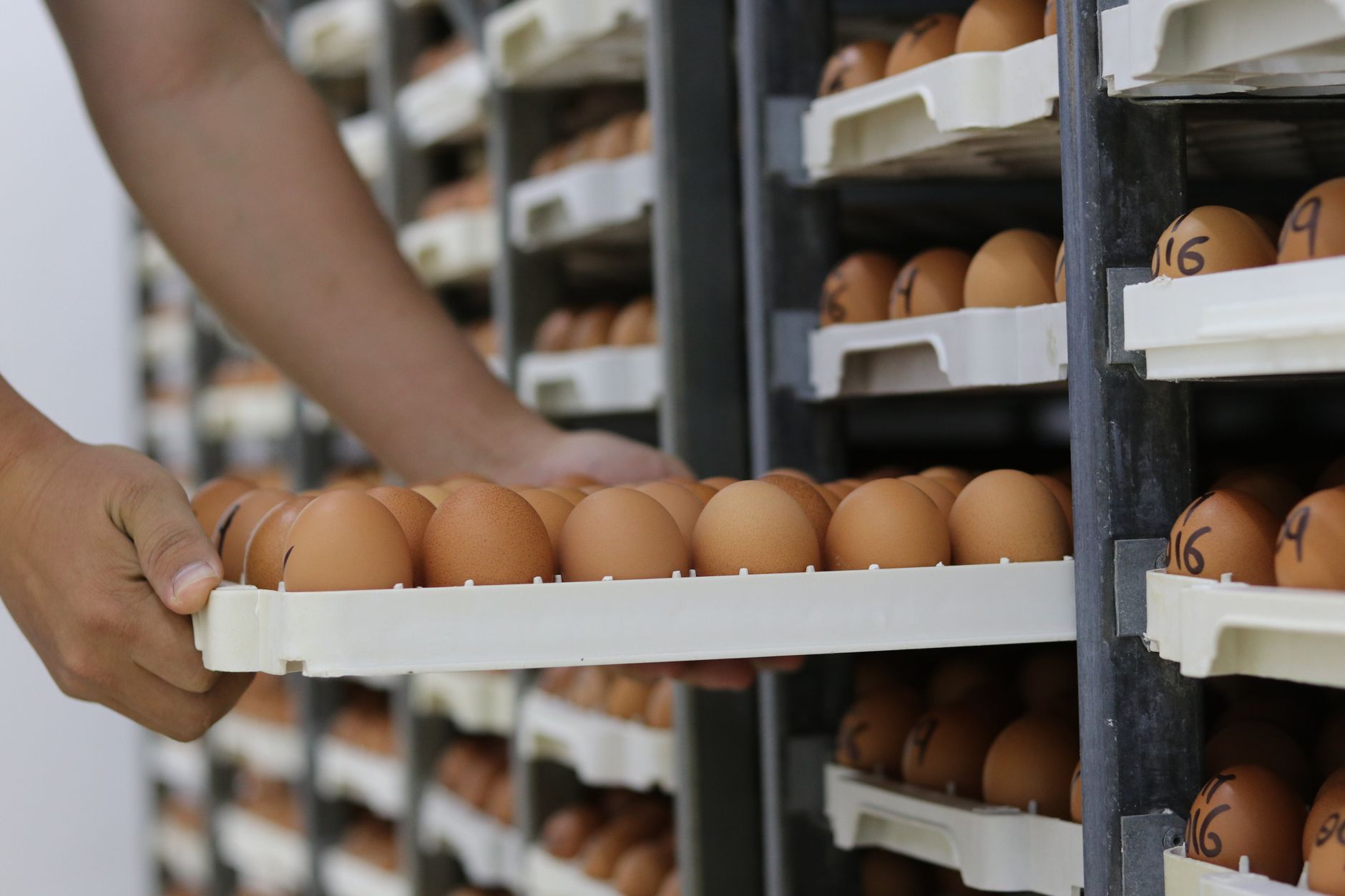
Understanding how long to leave eggs out for room temperature can greatly enhance your cooking and baking endeavors. Eggs play a crucial role in both sweet and savory dishes, and using them at the right temperature can affect texture, flavor, and the overall outcome of your culinary creations.
This guide will explore the optimal time to leave eggs at room temperature, the science behind it, and practical tips to enhance your cooking experience. Whether you are preparing a fluffy soufflé or a simple omelet, knowing how to handle eggs properly is essential.
How Long to Leave Eggs Out for Room Temperature?
For best results, eggs should be left out at room temperature for about 30 minutes to 1 hour before use. This allows the eggs to reach a temperature that promotes better mixing and emulsification in recipes.
The Science of Room Temperature Eggs
Eggs kept in a refrigerator are colder than most ingredients in your recipes. When you use cold eggs in a baking recipe, they can cause other ingredients to cool down, leading to uneven mixing and less effective reactions. Here’s why room temperature eggs matter:
- Improved Emulsification: Room temperature eggs can better incorporate with fats, resulting in a smoother batter or dough.
- Better Aeration: When beating eggs, room temperature ones whip up more easily and achieve greater volume than cold eggs.
- Consistent Baking: Recipes like cakes and custards often rely on even baking temperatures that room temperature eggs help achieve.
How to Bring Eggs to Room Temperature
Quick Methods
If you forgot to take your eggs out of the refrigerator ahead of time, there are a couple of quick methods to bring them to room temperature:
- Warm Water Bath: Place the eggs in a bowl of warm (not boiling) water for about 10 to 15 minutes. This will raise the temperature without cooking the eggs.
- Leave Them Out: Simply set eggs on the counter for 30 to 1 hour, depending on the temperature of your kitchen. Just ensure they stay in a safe spot, away from direct sunlight or heat sources.
Egg Storage Guidelines
While it’s essential to know how long to leave eggs out for room temperature, understanding proper egg storage can also enhance their freshness and safety:
Refrigeration Guidelines
- Store eggs in the original carton to protect them from absorbing odors and to keep them fresh.
- Keep eggs in the coldest part of the refrigerator, where temperatures are most consistent, rather than in the door where they are exposed to temperature fluctuations.
Freshness Check
Before using eggs, perform a simple freshness test. Place an egg in a bowl of water:
- If it sinks to the bottom and lays flat, it’s fresh.
- If it stands upright on the bottom, it’s still good but should be used soon.
- If it floats, it’s no longer fresh and should be discarded.
How Long Can Eggs Stay at Room Temperature?
Raw eggs and dishes made with eggs should not be left at room temperature for more than two hours. This time frame is crucial to prevent bacterial growth, particularly Salmonella. Here are some key points to remember:
- In warm environments (above 90°F or about 32°C), eggs should not be out for more than one hour.
- Once eggs are cooked, they should not be left out for more than two hours, whether prepared as an omelette, scrambled, or in baked goods.
Common Mistakes When Using Eggs
Here are some common pitfalls to avoid when working with eggs:
- Using Cold Eggs in Baking: As mentioned, using cold eggs can negatively affect your dish. Always aim to bring eggs to room temperature.
- Not Checking Freshness: Always ensure eggs are fresh before using to avoid recipes that fail due to old ingredients.
- Over-Whipping Eggs: Particularly for whipped egg whites, be careful not to overdo it as they can become dry and lose volume.
When Are Room Temperature Eggs Necessary?
Not every recipe calls for room temperature eggs, but there are specific instances where they are particularly beneficial:
- Baking Cakes: For fluffy and light cakes, room temperature eggs incorporate easily with butter and sugar, leading to a better batter.
- Custards and Puddings: These recipes often require a gentle, even cooking process, and room temperature eggs help you achieve that.
- Soufflés and Meringues: The whipping process for egg whites requires room temperature eggs to achieve a stable peak.
Room Temperature Egg Recipes
Understanding how to use room temperature eggs can elevate your baking and cooking game. Here are a couple of recipes where room temperature eggs are essential:
Classic Sponge Cake
This light and airy dessert showcases how using room temperature eggs can make a significant difference.
Yield: 8 servings
Preparation Time: 20 minutes
Cooking Time: 25 minutes
Total Time: 45 minutes
Ingredients
- 4 large eggs, room temperature
- 1 cup granulated sugar
- 1 cup all-purpose flour
- 1/2 teaspoon baking powder
- 1/4 teaspoon salt
- 1/4 cup unsalted butter, melted
- 1 teaspoon vanilla extract
Equipment
- Mixing bowls
- Electric mixer or whisk
- 9-inch round cake pans
- Parchment paper
Instructions
- Preheat the oven to 350°F (175°C). Prepare the cake pans by greasing them and lining the bottoms with parchment paper.
- In a mixing bowl, beat the eggs and sugar together with an electric mixer on high speed for about 5-7 minutes until thick and pale.
- In another bowl, sift together the flour, baking powder, and salt.
- Gently fold the dry ingredients into the egg mixture until just combined. Be careful not to deflate the eggs.
- Pour in the melted butter and vanilla extract, and gently fold until incorporated.
- Divide the batter evenly between the prepared cake pans and smooth the tops.
- Bake in the preheated oven for 25-30 minutes or until a toothpick inserted into the center comes out clean.
- Let cool in the pans for about 10 minutes before transferring to wire racks to cool completely.
Fluffy Omelet
A fluffy omelet benefits greatly from room temperature eggs, delivering a delightful breakfast experience.
Yield: 1 serving
Preparation Time: 5 minutes
Cooking Time: 5 minutes
Total Time: 10 minutes
Ingredients
- 3 large eggs, room temperature
- 2 tablespoons milk
- Salt and pepper to taste
- 1 tablespoon butter
- Fillings such as cheese, diced vegetables, or meats (optional)
Instructions
- In a mixing bowl, whisk together the room temperature eggs, milk, salt, and pepper until well combined.
- Heat a non-stick skillet over medium heat and add the butter until melted.
- Pour the egg mixture into the skillet. Allow it to cook for about 1 minute, gently lifting the edges with a spatula to let uncooked egg flow underneath.
- Add your choice of fillings on one half of the omelet.
- When the eggs are mostly set but still a bit runny on top, carefully fold the omelet in half.
- Let cook for another minute or so, then slide onto a plate and enjoy!
Final Thoughts on Room Temperature Eggs
Knowing how long to leave eggs out for room temperature use can enhance your culinary results significantly. The key is to balance time and temperature, ensuring your eggs reach the optimal condition before you start cooking or baking. Remember to follow proper storage guidelines to keep your eggs fresh, and don’t hesitate to use the quick methods to bring them to the right temperature.
As you explore the world of cooking, consider experimenting with various recipes and techniques that benefit from room temperature eggs. Dive into fresh baking ideas or meal prep tips to make the most of your culinary adventures!
For more egg storage tips, check out How Long Can You Keep Eggs in the Refrigerator? and learn about egg freshness with When Do Eggs Go Bad?.