
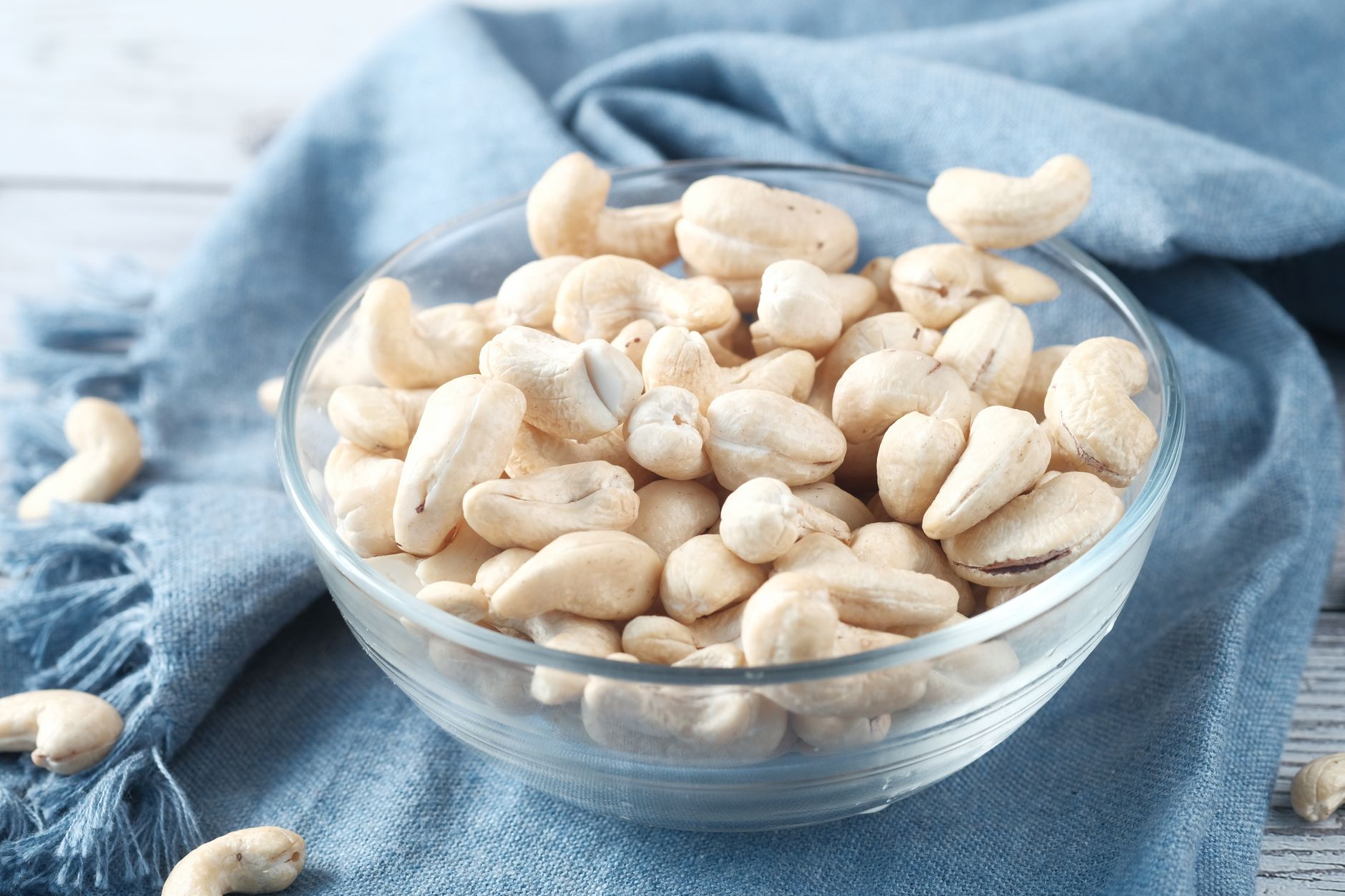
Cashews are beloved for their buttery flavor and versatile uses in both sweet and savory dishes. However, a question that often arises is whether it is safe to eat raw cashews. In this article, we’ll explore the concept of raw cashews, their safety, preparation, and serving tips that will help you enjoy this delightful nut to its fullest.
By understanding the necessary preparations and potential risks associated with raw cashews, you can make informed choices. Whether you want to sprinkle them in salads, use them in baking, or enjoy them as a snack, let’s delve into everything you need to know about raw cashews.
Can You Eat Raw Cashews?
Raw cashews are technically not raw as they are often steamed to remove toxic substances. So, while you can eat what is labeled as “raw cashews,” it is essential to understand the safety measures involved in their preparation.
Understanding Cashew Preparation
True cashew nuts are surrounded by a toxic shell that contains anacardic acid, which can cause skin irritation and other health concerns if ingested. Therefore, what you might find in stores as “raw cashews” are generally not raw in the true sense but are instead processed to ensure safety.
The Process of Extracting Cashews
The journey of a cashew from tree to table involves several critical steps to ensure that they are safe to eat:
- Harvesting: Cashew apples are harvested from the cashew tree, and the nuts are found attached to the bottom of these apples.
- Roasting: The nuts are exposed to heat, which removes the toxic shell and the anacardic acid. This process also enhances the flavor and texture.
- Processing: Once roasted, the nuts are cooled and shelled. After that, they can be either sold as is or further processed into cashew butter, cashew cream, or other products.
Types of Cashews Available in Stores
Understanding the types of cashews available is crucial when cooking or snacking. Here are the common varieties:
- Raw Cashews: These have been steamed to remove toxins but are not roasted. They have a mild flavor and creamy texture.
- Roasted Cashews: These cashews are roasted, resulting in a deeper flavor and crunchier texture.
- Salted Cashews: These are roasted cashews that have been seasoned with salt. They are perfect for snacking but should be consumed in moderation due to sodium content.
- Candied Cashews: Often coated in sugar and spices, these cashews are treated as a sweet snack or dessert topping.
Health Benefits of Cashews
Cashews are not just tasty; they also carry numerous health benefits. They are a good source of:
- Healthy Fats: Cashews contain unsaturated fats that can help lower bad cholesterol levels.
- Proteins: They are rich in protein, making them a suitable option for vegetarians and vegans.
- Minerals: Cashews provide essential minerals like magnesium, phosphorus, zinc, and copper.
- Vitamins: They are a source of important vitamins, including vitamin K and E, which help to support overall health.
How to Prepare Cashews
If you’ve decided to include cashews in your meals, here are some effective ways to prepare them:
Soaking Cashews
Soaking cashews softens them and enhances their creaminess, particularly useful for recipes that call for cashew cream or dairy substitutes.
- Place raw, unsalted cashews in a bowl.
- Cover them with water and let them soak for at least 4 hours or overnight for best results.
- After soaking, drain and rinse the cashews before using them in your recipes.
Making Cashew Milk
Cashew milk is a versatile dairy alternative and is simple to make at home:
- Soak 1 cup of raw cashews as described above.
- Drain and rinse the cashews and add them to a blender with 4 cups of water.
- Blend on high until smooth. You may strain it through a nut milk bag for a smoother texture.
- Store your cashew milk in the fridge for up to 5 days.
Culinary Uses for Cashews
Cashews can be incorporated into various dishes. Here are some ideas:
- Stir-Fries: Add cashews to vegetable stir-fries for added crunch and flavor.
- Salads: Use toasted or raw cashews as a topping for salads, where they add texture and protein.
- Snacks: Enjoy them raw, salted, or candied as a healthy snack.
- Desserts: Use ground cashews in dessert recipes, such as cheesecake or energy balls.
Common Mistakes When Using Cashews
Here are some frequent pitfalls to avoid when cooking with cashews:
- Not Soaking: Failing to soak cashews for creamy applications can result in a gritty texture in cashew cream or sauces.
- Overseasoning: If you’re roasting or cooking cashews, remember that they can become overly salty or sweet if too many seasonings are applied.
- Storing Incorrectly: Store cashews in an airtight container in a cool, dry place. Exposure to air can lead to rancidity.
Storage Tips for Cashews
Proper storage prolongs the shelf life of cashews and maintains their quality:
- Store raw or roasted cashews in an airtight container.
- Keep them in a cool, dry place, away from direct sunlight.
- For longer storage, consider refrigerating or freezing them to keep them fresh.
Culinary Pairings for Cashews
Cashews can complement a variety of flavors and ingredients. Here are some excellent pairing ideas:
- Spices: Consider using turmeric, garlic, and chili powder.
- Fruits: Combine cashews with dried fruits like cranberries or apricots for a trail mix.
- Vegetables: Pair with crunchy veggies in salads or stir-fries, such as bell peppers and snap peas.
Serving Suggestions
Here are some creative ways to serve cashews:
- Create a homemade trail mix with dried fruits and dark chocolate chips for a healthy snack.
- Top salads with toasted cashews for added crunch.
- Use cashew butter instead of peanut butter on toast or in smoothies for a delicious twist.
Can You Substitute Raw Cashews in Recipes?
Raw cashews can often be used as substitutes for other nuts or dairy. Here’s a look at common substitutions and their effects:
- Almonds: You can use almond butter or chopped almonds, although they have a coarser texture.
- Pumpkin Seeds: If avoiding nuts, you can substitute pumpkin seeds; however, they have a different flavor profile.
- Sour Cream or Cream Cheese: Cashew cream can effectively substitute these dairy products in recipes for a dairy-free option.
Conclusion
While raw cashews are not truly raw due to processing to remove toxins, they remain a delicious and nutritious addition to various dishes. Understanding how to prepare, serve, and store cashews will enhance your culinary experience and enable you to use them creatively in your meals.
Now that you have this comprehensive guide, consider exploring related recipes, cooking tips, or food guides to elevate your cashew-based creations. Check out these resources: learn whether cashews are nuts, or try a delightful chia pudding recipe with coconut milk.