
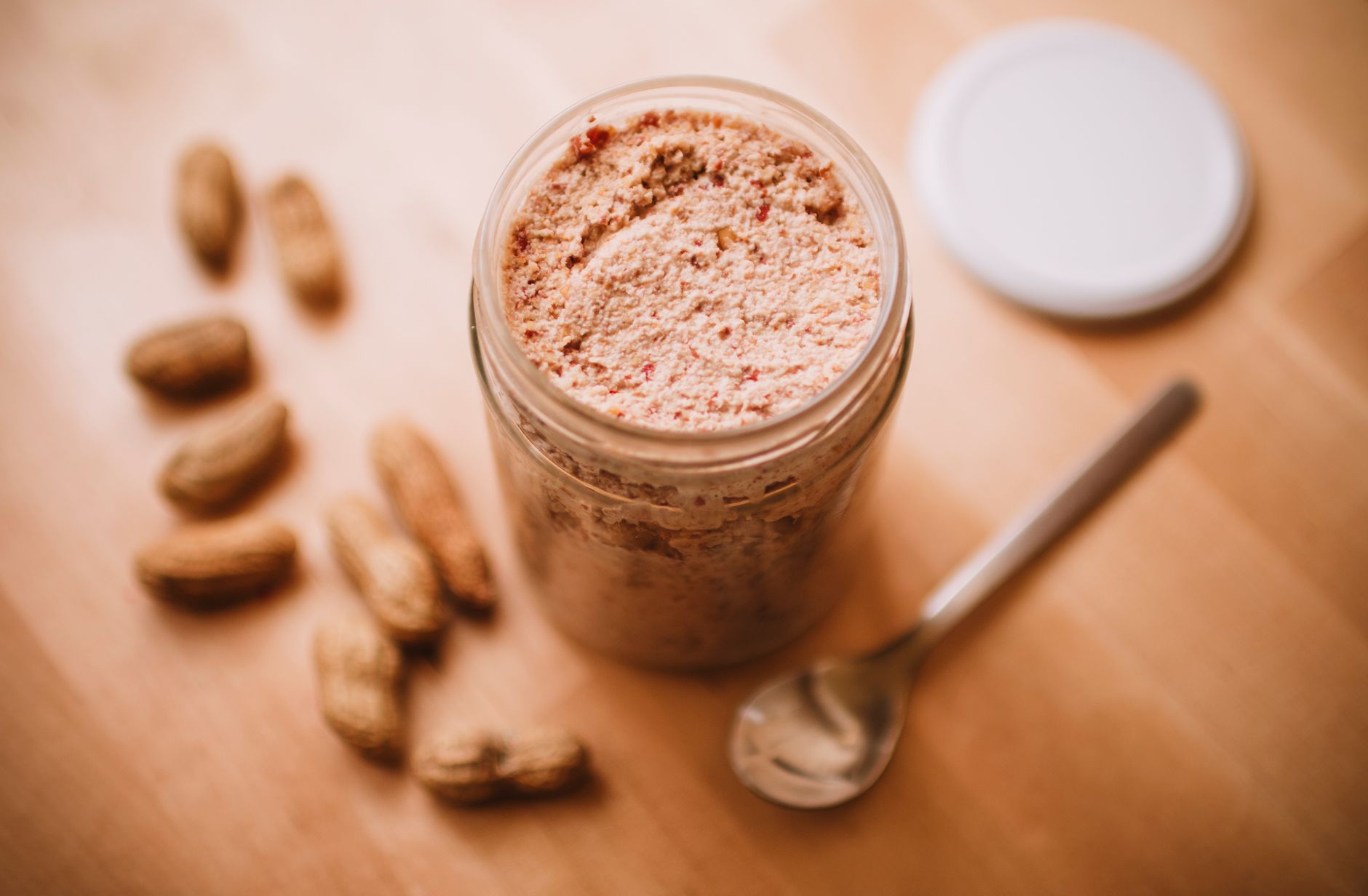
Peanut butter is a popular spread known for its creamy texture and rich flavor. It’s enjoyed in various forms—from sandwiches to smoothies—and often celebrated for its protein content. However, if you’re mindful of your calorie intake, knowing how many calories are in peanut butter per serving is essential.
This article will explore the caloric content of peanut butter, helping you make informed choices whether you’re using it as a snack, a meal ingredient, or part of a larger dietary plan. We’ll also touch on its nutritional benefits, how to measure servings, and tips for using peanut butter in your meals without overindulging.
How Many Calories Does Peanut Butter Have?
On average, a standard serving of peanut butter, which is typically about two tablespoons (32 grams), contains approximately 190 to 200 calories. This calorie content can vary slightly among brands and types of peanut butter, but this range is a good estimate for traditional creamy or chunky varieties.
To provide a clearer understanding, here’s a breakdown of the calorie content in various types of peanut butter:
- Natural Peanut Butter: 190 calories per 2 tablespoons.
- Regular Peanut Butter (with added oils and sugars): 200 calories per 2 tablespoons.
- Reduced-fat Peanut Butter: 170 calories per 2 tablespoons; however, these may contain added sugars to enhance the flavor.
- Powdered Peanut Butter: Approximately 60 calories per 2 tablespoons, as much of the fat has been removed.
Nutritional Benefits of Peanut Butter
While calorie counting is important, it’s equally essential to understand the nutritional makeup of peanut butter. Here are some key components per serving :
- Protein: Peanut butter is an excellent source of plant-based protein, providing about 8 grams per serving.
- Healthy Fats: It contains around 16 grams of fat, primarily unsaturated fats, which are beneficial for heart health.
- Vitamins and Minerals: Peanut butter contains essential nutrients, including magnesium, potassium, zinc, and vitamin E.
- Fiber: Each serving has about 2 grams of dietary fiber, which aids in digestion.
These nutritional benefits contribute to peanut butter’s popularity, especially among athletes and health-conscious individuals. The combination of protein, healthy fats, and fiber can promote satiety, helping to curb hunger between meals.
How to Measure Peanut Butter Accurately
Correctly measuring peanut butter is crucial for maintaining caloric control. Here are effective methods to ensure accurate measurements:
- Use a Food Scale: Weigh your peanut butter using a kitchen scale for precise measurement. Two tablespoons typically weigh around 32 grams.
- Measuring Spoons: If you don’t have a scale, use a standard measuring spoon. Avoid heaping the spoon to ensure you’re not inadvertently increasing your serving size.
- Measure Using Water Displacement: If you’re having difficulty separating sticky peanut butter from the spoon, fill a cup with water and add the peanut butter until it displaces the correct amount for two tablespoons.
Incorporating Peanut Butter into Your Diet
Peanut butter is versatile and can be added to various dishes. Here are ways to incorporate it into your meals while being mindful of calorie intake:
Breakfast Ideas
- Peanut Butter Smoothie: Blend peanut butter with banana, almond milk, and your choice of protein powder for a nutritious start to your day.
- Whole Grain Toast: Spread a thin layer of peanut butter on whole-grain toast and top with sliced strawberries or banana for added flavor.
Snack Options
- Cucumber Slices: Pair peanut butter with cucumber or apple slices for a refreshing and healthy snack.
- Peanut Butter Energy Balls: Mix peanut butter with oats, honey, and mini chocolate chips for a quick, energy-boosting snack.
Dinner and Sides
- Peanut Sauce: Create a delicious peanut sauce using peanut butter, soy sauce, ginger, and garlic to drizzle over grilled chicken or vegetables.
- Stir-Fry: Add a tablespoon of peanut butter to your stir-fry for a creamy, nutty flavor that enhances the dish.
Common Mistakes when Using Peanut Butter
While peanut butter is nutritious, there are common pitfalls to avoid:
- Overconsumption: It’s easy to underestimate how much you’re eating. Always measure your servings.
- Choosing Sugary Variations: Opt for natural or minimally processed peanut butters, as many commercial brands add sugars and unhealthy oils.
- Ignoring Portions in Recipes: When using peanut butter as an ingredient, incorporate it thoughtfully into your recipes to control overall calorie intake.
Storage and Shelf Life of Peanut Butter
Proper storage can help maintain the quality of peanut butter for longer periods:
- Unopened Jar: Keep unopened jars in a cool, dry place away from direct sunlight. They can last for several months past the “best by” date.
- Opened Jar: Once opened, store peanut butter in the pantry or refrigerator, depending on the type. For natural peanut butter, refrigeration helps maintain freshness.
- Signs of Spoilage: If you notice changes in smell, color, or texture, it’s best to discard it.
Alternatives and Substitutions for Peanut Butter
If you’re looking for alternatives to peanut butter—whether due to dietary restrictions or personal preferences—here are some great substitutes that can work well:
- Almond Butter: Similar in texture and flavor profile, almond butter is slightly sweeter and has a higher calcium content.
- Cashew Butter: Creamy and mild, cashew butter can replicate peanut butter in most recipes, but it has fewer healthy fats.
- Sunflower Seed Butter: A nut-free alternative, this provides a similar texture and is often used in schools to accommodate allergies.
- Nut-Free Butters (e.g., Soy Nut Butter): These can be a suitable option for those with nut allergies, offering a similar taste and similar nutritional profiles.
Making Peanut Butter at Home
If you prefer to have more control over the ingredients, making peanut butter at home is a viable option. Doing so allows you to customize flavor and texture without unnecessary additives.
Basic Homemade Peanut Butter
This simple recipe requires only peanuts and a food processor:
- Gather Ingredients: Use about 2 cups of roasted unsalted peanuts.
- Process the Peanuts: Place peanuts in a food processor and blend on high speed for about 3-5 minutes, scraping down the sides periodically.
- Adjust Consistency: Blend until smooth, adding more oil (like peanut or canola oil) if a creamier texture is desired.
- Store: Transfer the homemade peanut butter to an airtight container and refrigerate for up to a month.
Budget Considerations for Peanut Butter
Peanut butter can fit into a budget-friendly diet efficiently. To maximize your savings, consider the following:
- Buy in Bulk: Purchasing large jars or bulk containers can significantly reduce the cost per serving.
- Store Brands: Often less expensive, store-brand peanut butters can provide the same quality at a lower price.
- Sales and Coupons: Keep an eye out for promotions, sales, and coupons that can help lower your expenses.
Conclusion
Understanding how many calories are in peanut butter can help you enjoy this delicious spread while managing your dietary goals effectively. With its rich flavor and nutritional benefits, peanut butter is an excellent addition to many meals and snacks. By measuring portions, incorporating it wisely into recipes, and exploring alternatives, you can enjoy peanut butter without compromising your health objectives.
For those interested in cooking and using peanut butter in delightful ways, consider checking out our recipes for peanut butter granola and peanut butter fudge. These delicious treats will help you discover new ways to enjoy this popular ingredient!