
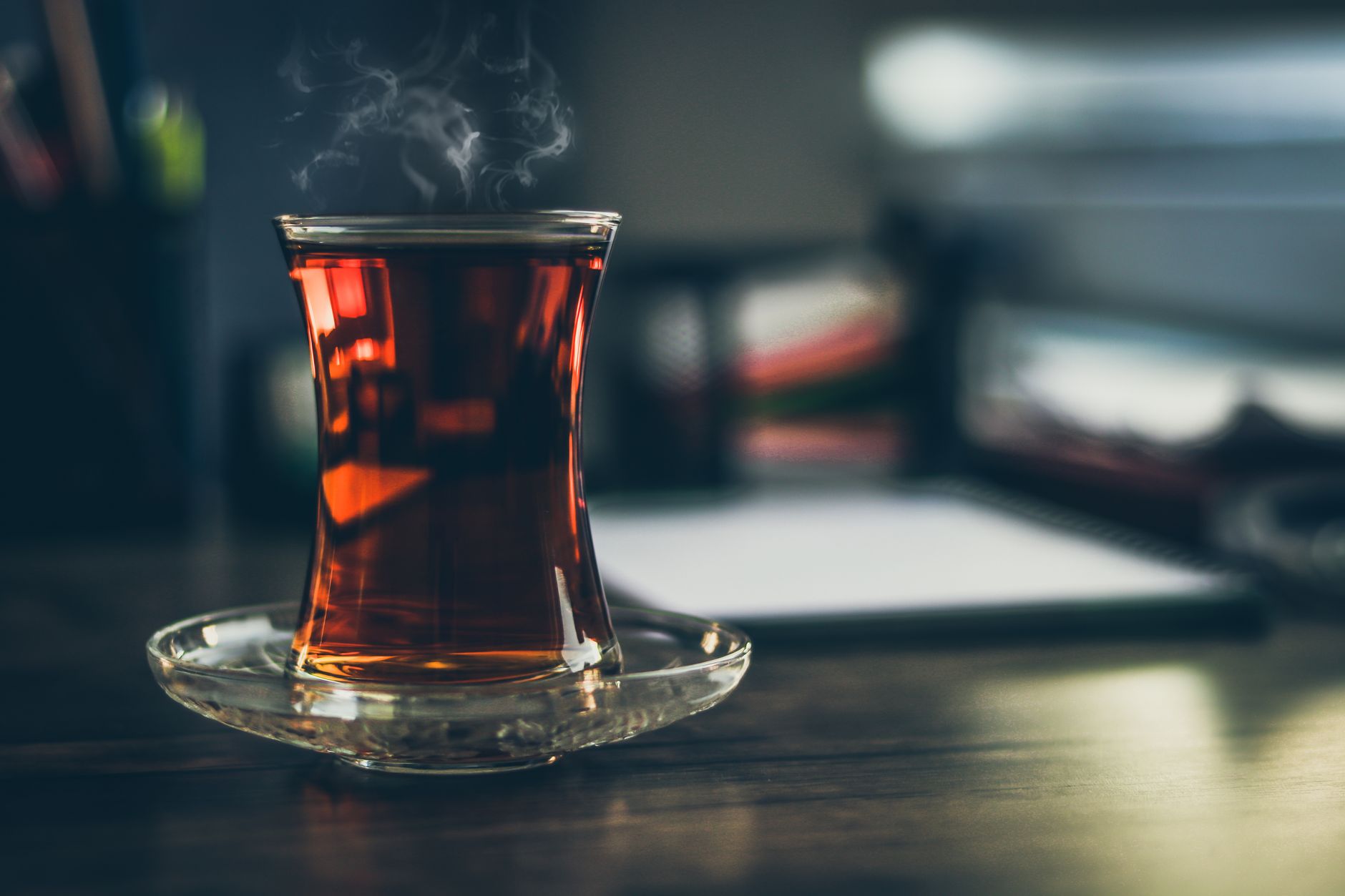
Tea, a beloved beverage enjoyed across cultures, can sometimes lead to unexpected allergic reactions. Understanding whether you can be allergic to tea is important for those who experience unusual symptoms after consumption. This article explores the potential for tea allergies, their causes, symptoms, and how to navigate your tea choices safely.
Allergies can be complex, varying significantly from one person to another. Tea contains numerous compounds that could trigger allergic responses. By examining the possible allergens found in tea and offering practical guidance, we aim to empower readers to make informed decisions about their tea consumption.
Can You Be Allergic to Tea?
Yes, it is possible to be allergic to tea. Though rare, tea allergies can occur due to various factors, including the specific compounds found in different types of tea. Symptoms can range from mild to severe, affecting individuals differently. Understanding your sensitivity to tea is crucial for avoiding adverse reactions.
Understanding Tea Allergies
Tea allergies can result from various components of tea leaves, processing methods, or even added flavors. Allergens in tea typically stem from:
- Proteins present in tea leaves
- Pesticides or chemicals used during cultivation
- Additives or flavorings
- Cross-reactivity with other allergens, such as pollens
Common Causes of Tea Allergies
While the exact cause of a tea allergy may differ among individuals, several common allergens include:
- Proteins: Some individuals may react to specific proteins found in certain tea varieties.
- Caffeine: Though rarely a true allergen, caffeine can cause adverse responses in some sensitive individuals, mimicking allergy symptoms.
- Additives: Flavored teas may contain real fruit pieces, herbs, or artificial flavors that can trigger allergies.
- Environmental Factors: If you are allergic to certain pollen, cross-reactivity may occur due to similar proteins present in tea leaves.
Symptoms of Tea Allergies
Tea allergy symptoms can vary based on individual tolerance and the source of the allergen. Common symptoms include:
- Itching or swelling of the mouth, throat, or tongue
- Skin reactions, such as hives or eczema
- Nasal congestion or runny nose
- Digestive issues, such as nausea or diarrhea
- Severe allergic reactions (anaphylaxis) in extreme cases
Please be aware that severe allergic reactions demand immediate medical attention; knowing how to manage your allergies can help you react swiftly.
Diagnosing Tea Allergies
If you suspect a tea allergy, consult a healthcare provider for proper diagnosis. They may recommend:
- Skin Prick Tests: To identify triggers through controlled exposure to potential allergens.
- Blood Tests: To measure the immune response to specific allergens.
- Food Diaries: Keeping track of tea consumption and symptoms to identify patterns or triggers.
Types of Teas and Their Potential Allergens
Different types of tea contain unique flavor profiles and potential allergens. Here’s a brief overview:
Black Tea
Black tea is one of the most commonly consumed types of tea. Allergens can arise from:
- Naturally occurring proteins in tea leaves
- Variability in processing and additives
- Pesticides potentially used in cultivation
While many people enjoy black tea without issues, some may experience mild symptoms or more severe reactions.
Green Tea
Green tea, valued for its health benefits, can also cause allergic reactions in sensitive individuals:
- Proteins found in green tea leaves
- Flavored varieties or herbal blends that contain additional allergens
Those with a history of allergies to other plants should exercise caution.
Herbal Tea
Herbal teas are often considered caffeine-free alternatives. However, they present unique challenges:
- Herbal ingredients can vary widely and include potential allergens such as chamomile or hibiscus
- Commercial herbal teas may have additives that can trigger allergic reactions
Read labels carefully if you consider herbal teas due to the diverse components they may contain.
Chai Tea
Chai tea blends black tea with various spices. Potential allergens include:
- Spices such as cinnamon or cardamom, which can cause sensitivity
- Sweeteners or flavorings often added in commercial products
Those with spice allergies should evaluate chai teas closely before consuming them.
Common Tea Ingredients and Allergens
Some common ingredients found in tea and their associated allergies include:
- Chamomile: A member of the daisy family, chamomile can provoke allergic reactions in individuals allergic to ragweed.
- Mint: Mint teas may cause discomfort for those sensitive to menthol or mint family plants.
- Citrus: Teas flavored with citrus may lead to reactions for individuals who have citrus allergies.
- Chocolate: Teas that incorporate chocolate may trigger reactions in those with chocolate allergies.
How to Manage Tea Allergies
For individuals sensitive or allergic to tea, managing the condition involves several practical steps:
1. Identify Triggers
Understanding which tea types or ingredients cause allergic reactions is crucial. Keep a food diary noting tea varieties, accompanying foods, and any symptoms experienced.
2. Read Labels Carefully
When purchasing tea, read product labels for allergen warnings and ingredient lists. Avoid teas that contain known irritants.
3. Choose Pure Teas
Select pure, single-origin teas whenever possible to reduce exposure to potential allergens. Consider brewing loose-leaf teas over blended products.
4. Consult Healthcare Professionals
Regular check-ups with your healthcare provider can help you manage tea allergies and provide guidance. They may have useful recommendations tailored for you.
5. Be Cautious When Dining Out
When ordering tea at restaurants or cafes, inform staff about your allergies. Don’t hesitate to ask about the ingredients and preparation methods for their teas.
Alternatives to Tea
If you are allergic to tea, you may want to consider alternatives that provide a caffeine boost or hydration without triggering your allergies. Here are some options:
1. Herbal Infusions
While some herbal teas may contain allergens, others are naturally free from caffeine and can offer unique flavors, such as:
- Rooibos: A naturally caffeine-free herbal infusion with a rich, sweet flavor and various health benefits.
- Fruit teas: Often made without actual tea leaves, fruit-infused beverages can deliver pleasant flavors without caffeine.
2. Mushroom Teas
Mushroom teas, made from varieties like chaga or reishi, are gaining popularity for their unique flavors and potential health properties. Before trying them, ensure they align with your sensitivities.
3. Infused Water
Infused water with fruits, herbs, or vegetables offers a refreshing alternative to traditional tea. Common infusions include cucumber mint or lemon berry blends.
Understanding Cross-Reactivity
Cross-reactivity occurs when the body’s immune system confuses similar proteins in different substances. For those with pollen allergies, caution is advised as some tea leaves may contain proteins resembling pollen. Many people with hay fever may experience reactions when consuming certain herbal teas.
When to Seek Medical Attention
Understanding when to seek medical attention is vital. If you experience severe reactions like swelling of the face or throat, difficulty breathing, or a fast heartbeat, seek emergency medical assistance immediately. Additionally, if you notice worrisome symptoms consistently after drinking tea, consult an allergist for evaluation.
Strategies for Exploring Tea Safely
Even with tea allergies, staying curious about tea can be safe with the right approach.
1. Start with Small Amounts
When trying a new tea, start with small amounts to observe your body’s response. Gradually increase serving sizes if you do not experience negative symptoms.
2. Educate Yourself about Tea Varieties
Familiarize yourself with various tea types, their flavor profiles, and ingredient compositions. Knowing what to look for can improve your experience and help avoid allergens.
3. Join a Tea Community
Online forums or local tea groups can provide valuable insights, recommendations, and support from individuals with similar experiences.
Final Thoughts
Understanding your allergies can help you enjoy tea safely or find enjoyable alternatives. If you experience symptoms after drinking tea, consider professional consultation to determine the cause. Follow the aforementioned strategies to stay informed and manage your tea consumption effectively.
Explore related recipes, cooking tips, and food guides like what is black tea and what is chai tea good for to expand your knowledge even further.