
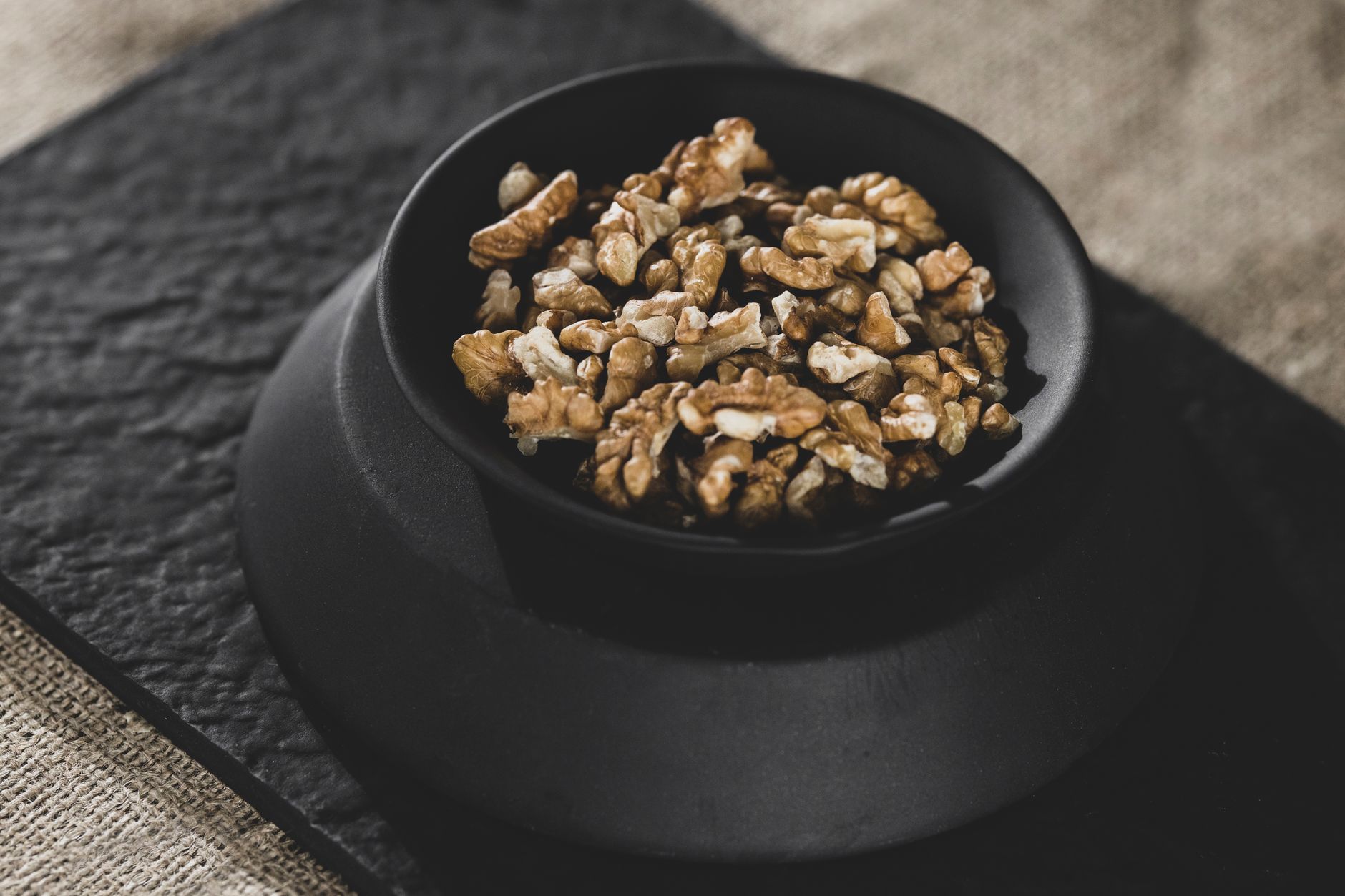
Nuts are not only delicious snacks but also powerhouses of nutritional benefits. Among their many advantages, some varieties are particularly high in protein, making them a great choice for anyone looking to increase their protein intake. This article delves into the nuts that stand out for their protein content, serving sizes, and how you can incorporate them into your daily diet.
Understanding the nutritional profile of different nuts can help you make informed choices for your meals and snacks. Let’s explore the nuts that are highest in protein and how you can enjoy them in various dishes or on their own.
Which Nuts Are Highest in Protein?
The nuts that are highest in protein include almonds, peanuts, pistachios, walnuts, and cashews. Each of these nuts offers a different amount of protein per serving, so if you’re looking for a snack to boost your protein intake, it’s helpful to know how they stack up.
Top Nuts by Protein Content
Here is a detailed look at some of the nuts highest in protein, including the amount of protein you can expect from a 1-ounce serving.
| Nuts | Protein (grams per 1 oz) |
|---|---|
| Almonds | 6 |
| Pistachios | 6 |
| Peanuts | 7 |
| Walnuts | 4 |
| Cashews | 5 |
| Brazil Nuts | 4 |
| Hazelnuts | 4 |
| Macadamia Nuts | 2 |
1. Almonds
Almonds are one of the most popular nuts, and for good reason. With about 6 grams of protein per ounce, they are not only high in protein but also rich in vitamin E, magnesium, and healthy fats. Their slightly sweet flavor and crunchy texture make them versatile for both sweet and savory dishes.
How to Incorporate Almonds:
- Add sliced almonds to salads for a crunch.
- Use almond meal as a gluten-free flour alternative in baking.
- Snack on whole almonds or almond butter on toast.
2. Peanuts
Although technically legumes, peanuts are often grouped with nuts due to their similar nutritional profiles and culinary uses. Peanuts contain about 7 grams of protein per ounce, making them one of the highest options in this category. They are also a source of niacin and folate, which are essential nutrients.
How to Incorporate Peanuts:
- Enjoy peanut butter spread on whole-grain bread or fruit.
- Add roasted peanuts to stir-fries for extra texture and flavor.
- Make homemade energy bars with peanuts, oats, and honey.
3. Pistachios
Pistachios provide about 6 grams of protein per ounce and are known for their unique flavor and vibrant color. They are also rich in antioxidants, fiber, and healthy fats, making them a nutritious choice for snacking.
How to Incorporate Pistachios:
- Mix pistachios into your morning yogurt or oatmeal.
- Top your salads with chopped pistachios for added flavor.
- Create a pistachio pesto by blending with olive oil and basil.
4. Walnuts
Walnuts are rich in omega-3 fatty acids and provide about 4 grams of protein per ounce. Their unique flavor is often compared to that of slightly bitter, earthy tones, which adds depth to both sweet and savory dishes.
How to Incorporate Walnuts:
- Add walnuts to baked goods like muffins and brownies for added texture.
- Use in salads or grain bowls for a satisfying crunch.
- Try walnuts as a topping for roasted vegetables.
5. Cashews
Cashews deliver around 5 grams of protein per ounce. Their buttery flavor pairs well with many dishes, and they are also a great source of essential minerals like copper and magnesium.
How to Incorporate Cashews:
- Create a creamy cashew sauce for pasta or pizza.
- Add cashews to stir-fried vegetables.
- Snack on roasted cashews or include them in trail mixes.
6. Brazil Nuts
While Brazil nuts are not as high in protein as some of the options above, they still provide around 4 grams of protein per ounce. They are particularly famous for their high selenium content, which is important for thyroid function and overall health.
How to Incorporate Brazil Nuts:
- Eat Brazil nuts as a healthy, nutrient-dense snack.
- Add chopped Brazil nuts to homemade granola or energy bars.
- Incorporate into trail mixes for a nutritious boost.
7. Hazelnuts
Hazelnuts also provide about 4 grams of protein per ounce. They have a sweet and nutty flavor, making them great for desserts and baking.
How to Incorporate Hazelnuts:
- Use hazelnuts in chocolate desserts for a classic combination.
- Add ground hazelnuts to baked goods for increased flavor.
- Roast and sprinkle on salads or savory dishes for added texture.
8. Macadamia Nuts
Macadamia nuts are lower in protein at about 2 grams per ounce, but they are high in healthy fats and can enhance the richness of both sweet and savory recipes.
How to Incorporate Macadamia Nuts:
- Include macadamia nuts in cookies or desserts for a rich flavor.
- Chop and sprinkle over breakfast bowls or smoothies.
- Use whole macadamia nuts to add crunch to savory dishes.
Common Mistakes to Avoid
When incorporating nuts into your diet, it’s important to keep a few things in mind to ensure you’re maximizing their nutritional benefits:
- Overeating: Nuts are calorie-dense. Stick to recommended serving sizes.
- Choosing salted options: Opt for raw or unsalted nuts to avoid excess sodium.
- Ignoring allergies: Be sure to check for nut allergies before serving.
Nutritional Benefits of Nuts
Nuts are not only high in protein but also provide a variety of other health benefits:
- Excellent source of healthy fats, particularly monounsaturated fats.
- Rich in fiber, which aids digestion and promotes satiety.
- Contain vitamins and minerals essential for overall health, such as vitamin E, magnesium, and potassium.
How to Store Nuts for Freshness
Nuts can go rancid if not stored properly. Here are some tips to keep your nuts fresh:
- Store nuts in an airtight container to prevent exposure to air.
- Keep nuts in a cool, dark place, like a pantry or cupboard.
- For long-term storage, consider refrigerating or freezing nuts.
Budget-Friendly Nut Purchases
Buying nuts in bulk can save you money. Look for deals at local grocery stores, health food shops, or online retailers. Just make sure to store them properly to maintain freshness.
Another budget-friendly approach is to buy mixed nuts, which often provide a variety of protein sources in one package. This can give you more options for snacking and cooking while helping you to save money.
Conclusion
Nuts offer a nutritious and delicious way to increase your protein intake. Almonds, peanuts, pistachios, walnuts, cashews, Brazil nuts, hazelnuts, and macadamia nuts each provide unique flavors and nutritional profiles. Incorporating these nuts into your meals and snacks can support balanced eating and a healthy lifestyle.
For practical ideas on how to use nuts in your cooking or baking, consider exploring our recipes for protein brownies and protein cookies. These treats make use of high-protein ingredients and are perfect for satisfying your sweet cravings while still being nutritious.