
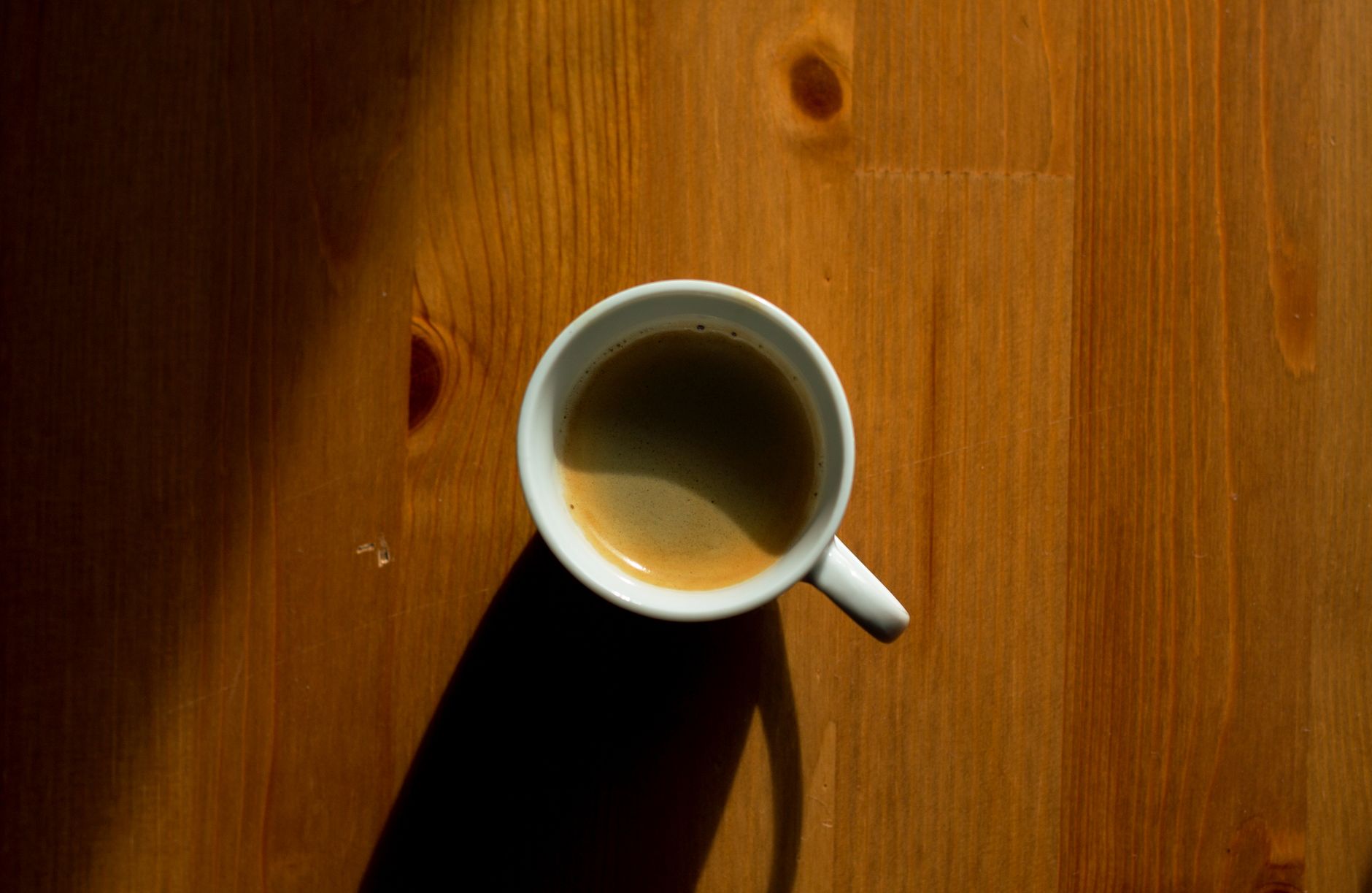
Espresso is more than just a quick caffeine fix; it’s a complex drink that has captivated coffee enthusiasts worldwide. The rich flavor and intense aroma make it a favorite choice for many. However, with its concentrated caffeine content, one might wonder: how many espresso shots is too much?
This article will explore the appropriate consumption of espresso shots, the factors affecting your tolerance, and some practical serving guidelines. Whether you’re a coffee lover or just curious, this guide will help you navigate your espresso intake.
How Many Espresso Shots Is Too Much?
The general guideline is that most adults can safely consume up to 400 milligrams of caffeine daily, which is roughly equivalent to four shots of espresso. However, individual tolerance can vary widely based on factors such as body weight, sensitivity to caffeine, and overall health.
Understanding Caffeine Content
To understand how many espresso shots you can consume, it’s essential to know how much caffeine is in a single shot. An ounce of espresso contains approximately 63 milligrams of caffeine. Here’s a breakdown:
- Single shot (1 oz): about 63 mg of caffeine
- Double shot (2 oz): about 126 mg of caffeine
- Triple shot (3 oz): about 189 mg of caffeine
Most coffee drinks in cafes can contain one to three shots of espresso, depending on the drink and the size. Understanding these measurements can help you make informed choices about your caffeine consumption.
Factors Influencing Caffeine Tolerance
Understanding personal tolerance is crucial when considering how many espresso shots to drink. Several factors can influence how your body responds to caffeine.
1. Body Weight
Individuals with higher body weight may metabolize caffeine more effectively than those with lower body weight. As a result, a person weighing 150 pounds may tolerate caffeine differently than someone weighing 200 pounds.
2. Age
Age can also affect caffeine metabolism. Younger individuals often process caffeine more efficiently than older adults, who may experience heightened sensitivity and slower metabolism.
3. Health Conditions
Certain health conditions, such as anxiety disorders, heart problems, or gastrointestinal issues, can influence how much caffeine is safe for you. If you have any medical conditions, consult your healthcare provider to establish safe caffeine consumption.
4. Medication Interactions
Some medications can interact with caffeine, either increasing sensitivity or altering metabolism rates. Always discuss your caffeine intake with a healthcare professional if you are on medication.
5. Habitual Consumption
Regular coffee drinkers may build a tolerance to caffeine, allowing them to consume higher amounts than someone who drinks coffee infrequently. However, this can also mean a higher risk of caffeine dependence.
Potential Side Effects of Excess Caffeine
While caffeine can enhance alertness and efficacy, excessive consumption can lead to various side effects, including:
- Anxiety: High caffeine intake can exacerbate feelings of anxiety and nervousness.
- Insomnia: Consuming too much caffeine, especially later in the day, can disrupt sleep patterns.
- Digestive Issues: Caffeine may cause stomach discomfort or exacerbate reflux symptoms in some individuals.
- Increased Heart Rate: Some people may experience palpitations or rapid heartbeat after consuming excessive caffeine.
If you notice any of these symptoms, it may be wise to reduce your caffeine intake gradually.
Practical Espresso Serving Guidelines
To enjoy espresso while keeping your caffeine consumption in check, consider the following practical serving guidelines:
1. Start Slowly
If you are new to espresso, start with one shot and gauge how your body reacts. Gradually increase your intake as you feel comfortable.
2. Monitor Your Daily Intake
Keep track of how much caffeine you consume from all sources, including coffee, tea, soft drinks, and chocolate. This can help you avoid exceeding 400 milligrams daily.
3. Limit Consuming Espresso Late in the Day
To prevent sleep disturbances, try to limit your espresso consumption to the earlier part of the day. Aim to have your last shot by early afternoon.
4. Be Mindful of Additives
Espresso drinks can vary in caffeine levels based on added ingredients like milk and flavored syrups. When choosing a drink, clarify how many shots are in each beverage.
5. Consider Quality Over Quantity
Instead of focusing on the number of shots, savor the flavor and experience of drinking espresso. High-quality coffee can be more satisfying than multiple shots of a cheaper blend.
How to Make Espresso at Home
Making espresso at home is a rewarding skill, allowing you to control the strength and quality of your drink. You will need the following equipment:
- Espresso machine or stovetop Moka pot
- Fresh coffee beans (medium to finely ground)
- Coffee grinder (if using whole beans)
- Tamper (for pressing the coffee grounds)
- Scale (optional, for precise measurements)
Espresso Making Steps
- Prepare Your Ingredients: Measure 18-20 grams of coffee for a double shot. Grind the coffee to a fine consistency, resembling table salt.
- Tamp the Coffee: Place the ground coffee in the portafilter and press down firmly with the tamper. Ensure it’s even to promote uniform extraction.
- Lock the Portafilter: Attach the portafilter to the espresso machine or stovetop Moka pot, ensuring it’s secure.
- Extract the Espresso: Start the machine or heat the stovetop pot and watch for the espresso to flow. Aim for about 25-30 seconds for the perfect extraction.
- Serve: Pour the espresso into a small cup and enjoy it straight, or use it for your favorite espresso-based drinks.
Espresso-Based Drink Options
Exploring different espresso-based drinks can enhance your appreciation for coffee. Here are a few popular options:
1. Americano
An Americano is made by adding hot water to a shot of espresso, resulting in a milder coffee flavor while retaining the rich essence of espresso.
2. Latte
A latte consists of one or two shots of espresso topped with steamed milk and a small amount of milk foam, creating a creamy and smooth beverage.
3. Cappuccino
A cappuccino is similar to a latte but contains equal parts espresso, steamed milk, and frothed milk, resulting in a stronger coffee flavor.
4. Mocha
A mocha combines espresso, steamed milk, and chocolate syrup, often topped with whipped cream for a decadent treat.
Espresso and Nutrition
While enjoying espresso, it’s important to balance your diet and consider caffeine’s role. Here are some nutritional aspects to think about:
- Calories: A plain shot of espresso has nearly zero calories. However, added syrup, milk, and whipped cream can significantly increase the calorie count.
- Antioxidants: Coffee, including espresso, is rich in antioxidants, which can help protect the body from oxidative stress.
- Caffeine Sensitivity: Depending on your metabolism and lifestyle, caffeine can affect individuals differently; be mindful of your unique response to it.
Common Mistakes When Brewing Espresso
Making espresso is a fine art, and several common mistakes can lead to disappointing results. Here are some pitfalls to avoid:
- Incorrect Grind Size: Using too coarse or too fine a grind can adversely affect extraction.
- Insufficient Tamping: Not tamping the coffee grounds evenly can lead to uneven extraction.
- Poor Water Quality: Use filtered water for the best taste. Tap water can introduce unwanted flavors.
- Impatience: Rushing the extraction process can result in weak or bitter espresso.
Conclusion
Understanding how many espresso shots are too much varies by individual. Knowing your caffeine limits and considering your health, habits, and any medications can guide you in enjoying espresso safely. Remember to savor your drinks, appreciate quality over quantity, and consult a healthcare professional if you have questions about your caffeine consumption.
For those interested in experimenting with your espresso, you can try making an Espresso Tonic or a Protein Coffee for a refreshing twist on your coffee routine. Explore these exciting recipes to elevate your espresso experience!