
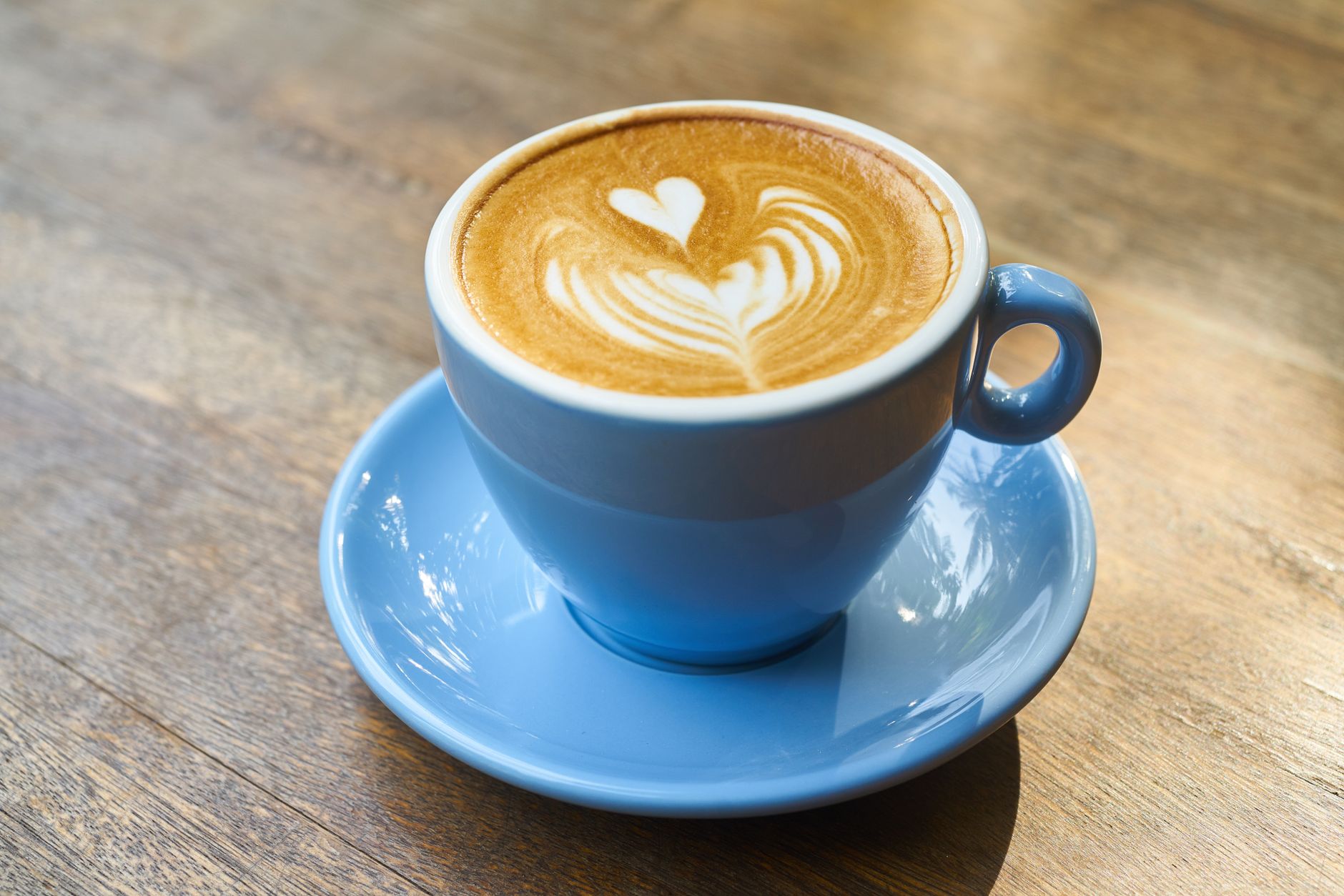
Cappuccino is a beloved coffee drink that combines espresso, steamed milk, and frothy milk foam. Known for its creamy texture and rich flavor, cappuccino is often enjoyed as an indulgent morning beverage or an afternoon pick-me-up. Understanding how many calories are in a cappuccino can help coffee lovers make informed choices about their daily caffeine intake.
In this article, we will explore the caloric content of cappuccinos in various serving sizes, along with factors that can influence calorie counts such as the type and amount of milk used. Whether you’re watching your calorie intake or simply curious, read on to discover everything you need to know about cappuccino calories.
How Many Calories in a Cappuccino?
The number of calories in a cappuccino can vary significantly based on its size, the type of milk used, and any additional flavorings or sweeteners. A standard cappuccino made with whole milk typically contains around 60 to 100 calories for a 6 oz serving. When making choices about your cappuccino, keep in mind the size and ingredients, as these factors will directly impact the caloric value.
Standard Cappuccino Sizes and Their Caloric Values
To give you a clearer picture, let’s break down the calories in cappuccinos by standard serving sizes:
- 6 oz Cappuccino: Approximately 60-100 calories
- 8 oz Cappuccino: Approximately 90-130 calories
- 12 oz Cappuccino: Approximately 120-180 calories
These numbers represent typical values found in cappuccinos made with whole milk, which is commonly used. However, the calorie count can change significantly with different milk options and flavor additions.
Factors Influencing Cappuccino Calories
Several factors can influence the calorie count in a cappuccino:
1. Type of Milk
The type of milk used in your cappuccino largely determines the final calorie count. Here are some common milk types and their approximate caloric content for a standard 8 oz cappuccino:
| Type of Milk | Calories (8 oz) |
|---|---|
| Whole Milk | 130 calories |
| 2% Milk | 120 calories |
| Skim Milk | 80 calories |
| Almond Milk | 60 calories |
| Oat Milk | 100 calories |
| Coconut Milk | 70 calories |
Choosing lower-fat or non-dairy milk alternatives can significantly reduce the calorie content.
2. Sweeteners and Flavorings
Adding sweeteners, flavored syrups, or whipped cream can significantly increase the calorie count of your cappuccino. For example:
- Sugar: Each teaspoon adds about 16 calories.
- Flavored Syrups: These can range from 20 to 100 calories per pump, depending on the syrup and brand.
- Whipped Cream: About 50-100 calories per serving, depending on the amount used.
Be mindful of these additions if you’re counting calories or watching your sugar intake.
3. Serving Size
As noted previously, the serving size of your cappuccino plays a substantial role in determining its calorie content. Larger sizes inherently contain more calories simply due to the increased volume of milk and foam.
Caloric Breakdown of a Homemade Cappuccino
For those interested in making their cappuccino at home, it’s essential to understand the proportions used to keep track of calorie intake. Here’s how you can break down the components of a homemade cappuccino:
Essential Ingredients:
- 1 oz espresso (approx. 2 calories)
- 3 oz steamed milk (whole milk: approx. 37 calories)
- 2 oz frothed milk (whole milk: approx. 30 calories)
This brings a homemade cappuccino with whole milk to approximately 69 calories before any sweeteners or flavorings are added. Adjusting milk selections and serving sizes will further influence this count.
Cappuccino Trends: Dairy-Free Options
The rise of plant-based diets has led to an increase in dairy-free cappuccino options. Here are popular dairy alternatives and their corresponding calories for a standard 8 oz cappuccino:
- Almond Milk: 60 calories
- Coconut Milk: 70 calories
- Oat Milk: 100 calories
- Soy Milk: 80 calories
Many of these alternatives offer a unique taste and texture, providing a delightful twist on the traditional cappuccino while still being mindful of caloric intake.
Health Considerations
While enjoying a cappuccino can be a pleasurable experience, it’s essential to consider your overall diet. High-calorie drinks can add up quickly if consumed frequently alongside other high-calorie foods. Moderation is key.
Additionally, there are potential health benefits associated with coffee consumption, including improved cognitive function and reduced risk of certain diseases. However, these benefits should be weighed against any added sugar or high-calorie ingredients.
How to Lower Caloric Content
If you’re looking to enjoy your cappuccino while reducing calories, consider these tips:
- Select Low-Fat Milk: Opt for skim or 2% milk instead of whole milk.
- Limit Sweeteners: Reduce the amount of sugar or opt for natural sweeteners.
- Choose Smaller Sizes: Stick to a smaller serving size to reduce overall caloric intake.
- Explore Flavorful Alternatives: Use unsweetened flavored syrups for taste without the calories.
Common Cappuccino Misconceptions
Several misconceptions about cappuccinos exist which can lead to confusion about their caloric content:
- All Cappuccinos Are High-Calorie: With careful ingredient selection, cappuccinos can be quite low in calories.
- Non-Dairy Milk Is Always Low-Calorie: Some non-dairy options can still be calorie-dense, like certain nut milks.
- Added Sweeteners Don’t Matter: Sweeteners can drastically raise calorie counts—awareness is crucial.
Conclusion
Understanding how many calories are in a cappuccino is essential for making mindful choices, especially for those focusing on their diet or simply exploring their coffee preferences. As we’ve discussed, factors like milk type, serving size, and sweetening agents can significantly influence the overall calorie content.
For a homemade treat, experimenting with various milk types can lead to deliciously satisfying cups of cappuccino without the hefty calorie load. Remember to keep an eye on portion sizes and extras to enjoy your coffee without straying from your nutrition goals.
If you’re looking for more delightful beverage options or recipes, consider exploring a coffee syrup recipe or try a caramel ribbon crunch frappuccino recipe for a sweet treat. Happy sipping!