
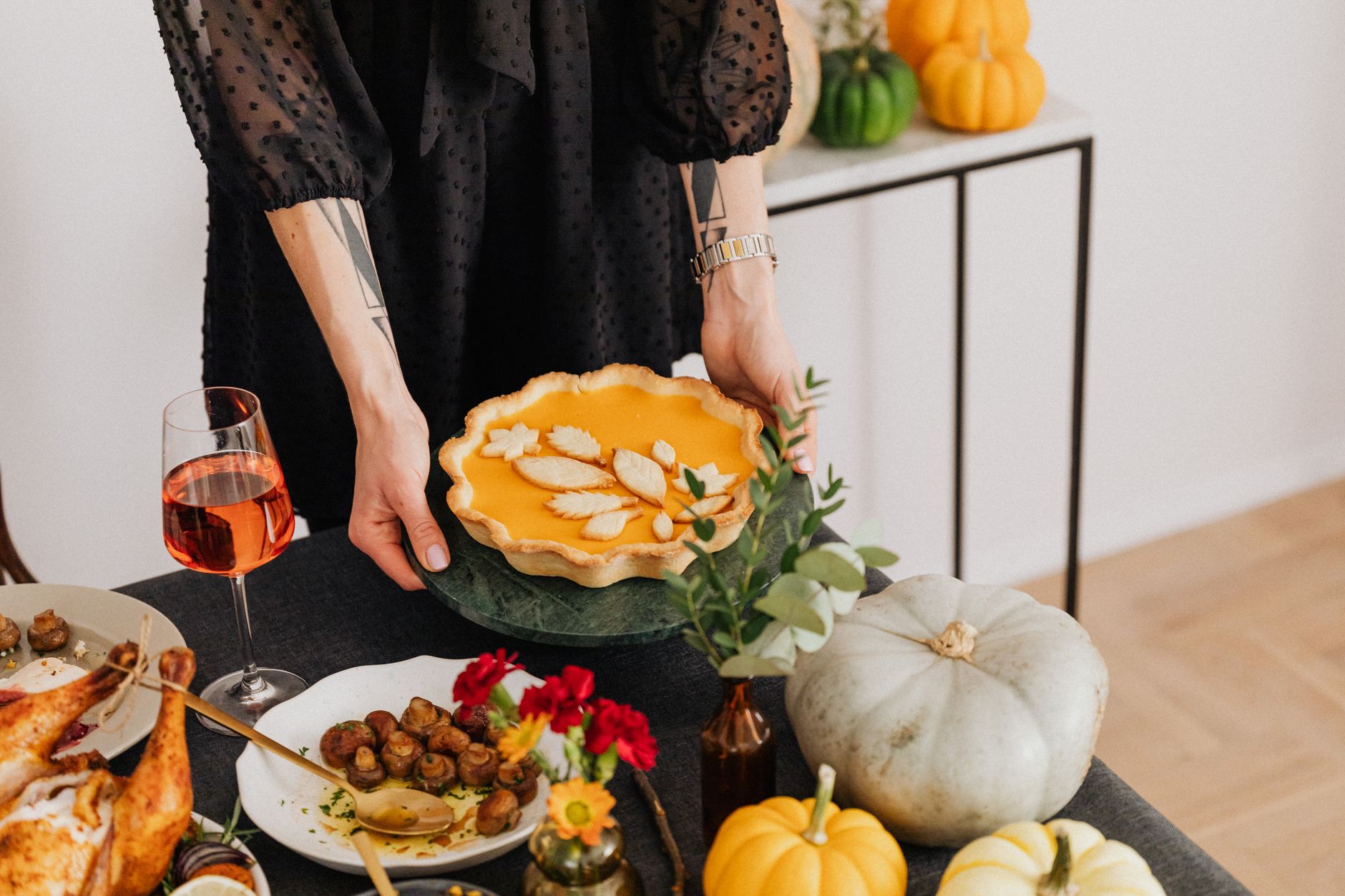
Pumpkin pie is a classic fall dessert that warms the heart and pleases the palate. However, many aspiring bakers struggle with understanding how much pie pumpkin is needed for their beloved dish. This article will clarify the quantity of pie pumpkins necessary to create a delicious pumpkin pie, along with tips on selecting, preparing, and storing the pumpkins.
With the right amount of pumpkin puree, you can create a stunningly flavorful pie that becomes the centerpiece of your holiday gatherings. Let’s explore everything you need to know about choosing the right number of pie pumpkins to achieve the perfect pumpkin pie, along with practical tips and techniques.
How Many Pie Pumpkins Per Pie?
On average, one pie pumpkin yields about 1 to 1.5 cups of pumpkin puree, which is enough for one standard 9-inch pie. Generally, you will need one medium-sized pie pumpkin to produce the required amount of puree. This answer will help you plan accordingly when preparing to make your pumpkin pies.
Understanding Pie Pumpkins
Before diving into how many pie pumpkins you need, it’s essential to understand what a pie pumpkin is. Unlike regular pumpkins, which are often large and designed for decoration, pie pumpkins, also known as sugar pumpkins, are smaller and intended for culinary purposes. They are sweeter and have denser flesh, which makes them ideal for making pie and other desserts.
Choosing the Right Pie Pumpkin
When selecting pie pumpkins, look for the following characteristics:
- Size: Aim for pumpkins that are about 6 to 8 inches in diameter. This size usually provides the right amount of puree without being too hefty.
- Appearance: Choose pumpkins that have a smooth, firm skin without any soft spots, bruises, or blemishes.
- Color: The color should be a deep, rich orange, indicating ripeness and sweetness.
- Weight: Opt for pumpkins that feel heavy for their size, as this often signifies a denser flesh inside.
Yield of Puree from Pie Pumpkins
One medium pie pumpkin generally yields about 1 to 1.5 cups of puree. While some recipes may require only one cup for a 9-inch pie, others might call for 1.5 cups depending on their thickness and flavor intensity preferences.
Estimating Pumpkin Quantity for Multiple Pies
If you’re planning to serve several pumpkin pies for a gathering or holiday feast, it’s essential to calculate the total amount of puree needed. Here’s a simple guideline:
- For one pie, use 1 medium pumpkin (1 to 1.5 cups of puree).
- For two pies, use 2 to 3 medium pumpkins (2 to 3 cups of puree).
- For three pies, use 3 to 4 medium pumpkins (3 to 4.5 cups of puree).
Making Pumpkin Puree
To make pumpkin puree from your pie pumpkins, follow these straightforward steps:
- Preparation: Wash the pumpkins thoroughly to remove any dirt.
- Cutting: Slice the pumpkins in half horizontally and scoop out the seeds and stringy flesh with a spoon.
- Roasting: Place the halves cut side down on a baking sheet lined with parchment paper. Roast in a preheated oven at 350°F (175°C) for about 45-60 minutes, or until the flesh is tender when pierced with a fork.
- Pureeing: Allow the roasted pumpkin to cool slightly. Scoop out the flesh and transfer it to a food processor. Blend until smooth, ensuring there are no lumps in your puree.
Storing Pumpkin Puree
Once you’ve created your pumpkin puree, proper storage is essential to preserve its freshness:
- Refrigeration: Store fresh pumpkin puree in an airtight container in the refrigerator for up to one week.
- Freezing: For longer storage, freeze the puree in freezer-safe bags or containers for up to three months. Be sure to label your containers with the date.
- Canning: Although canning pumpkin puree is not generally recommended due to safety concerns, you can safely preserve pumpkins by canning diced or cubed pumpkin instead. Always refer to a trusted canning guide for proper techniques.
Common Mistakes When Using Pie Pumpkins
When preparing pumpkin for pies, bakers often make a few common mistakes that can alter the pie’s taste and texture. Here are some pitfalls to avoid:
- Using Jack-o’-lantern Pumpkins: Avoid using large carving pumpkins, as they have a watery, bland flesh that doesn’t yield good flavor.
- Not Roasting Properly: Skipping the roasting step and using raw pumpkin may result in a pie with a raw taste and unpleasant texture.
- Incorrect Storage: Improperly stored pumpkin puree may spoil quickly or develop an off flavor. Ensure to use airtight containers.
Recipe Variations for Pumpkin Pie
Once you have the correct amount of pumpkin puree, you can make various pumpkin pie recipes. Here are some popular alternatives:
Classic Pumpkin Pie
A traditional pumpkin pie recipe consists of spiced pumpkin puree mixed with eggs, cream, sugar, and spices like cinnamon, nutmeg, and ginger. This pie is a staple during Thanksgiving and other festive occasions.
Pumpkin Cheesecake Pie
This decadent twist on pumpkin pie features a cream cheese filling combined with pumpkin puree and traditional spices, offering a creamy texture and rich flavor.
Vegan Pumpkin Pie
For those following a plant-based diet, a vegan pumpkin pie can be made using coconut milk or almond milk instead of cream, along with a flaxseed or chia seed mixture in place of eggs.
Serving Sizes and Portions
When planning to serve your pumpkin pie, consider how many slices each pie can yield. A standard 9-inch pie typically offers eight slices. Adjust your quantities based on the number of guests:
- For a gathering of 8, one pie is usually sufficient.
- For 16 guests, consider making two pies.
- If you expect heavy pie enthusiasts, err on the side of caution and opt for three pies.
Tips for a Successful Pumpkin Pie
To ensure your pumpkin pie turns out perfectly, keep these tips in mind:
- Pre-bake the Crust: For a flaky crust and to prevent sogginess, consider pre-baking your crust before adding the filling.
- Spicing it Right: Adjust spice levels according to personal Preference. Some prefer more cinnamon, while others may lean towards nutmeg or ginger.
- Baking Temperature: Bake your pie at 425°F (220°C) for the first 15 minutes to set the crust, then reduce the heat to 350°F (175°C) for the remainder of the baking time.
- Testing Doneness: A toothpick inserted into the middle should come out clean; if it’s slightly jiggly, that’s normal—remember it will continue to set as it cools.
Frequently Asked Questions
Can I use canned pumpkin instead of fresh?
Yes, canned pumpkin puree is a convenient alternative to fresh pumpkin. One 15-ounce can of pumpkin puree is equivalent to about 1.5 to 2 cups, making it a great alternative for those short on time.
How do I know when my pumpkin puree is ready?
Your puree should be thick and smooth without lumps. If it’s too watery, consider cooking the puree on the stovetop for a few minutes to evaporate excess moisture.
What other dishes can I make with pumpkin puree?
Pumpkin puree can be used in various recipes beyond pie, such as soups, sauces, muffins, pancakes, and even smoothies, making it a versatile ingredient.
Conclusion
Understanding how many pie pumpkins you need per pie simplifies the process of making this cherished dessert. A single medium pie pumpkin typically provides enough puree for one standard pie, while adjustments can be made based on the number of servings and pie variations. Armed with this knowledge, you can confidently create delicious pumpkin pies for any occasion.
Consider exploring other recipes and tips, such as how to successfully freeze your pumpkin pie or try out a Libby’s pumpkin roll recipe. Your culinary adventures await!