
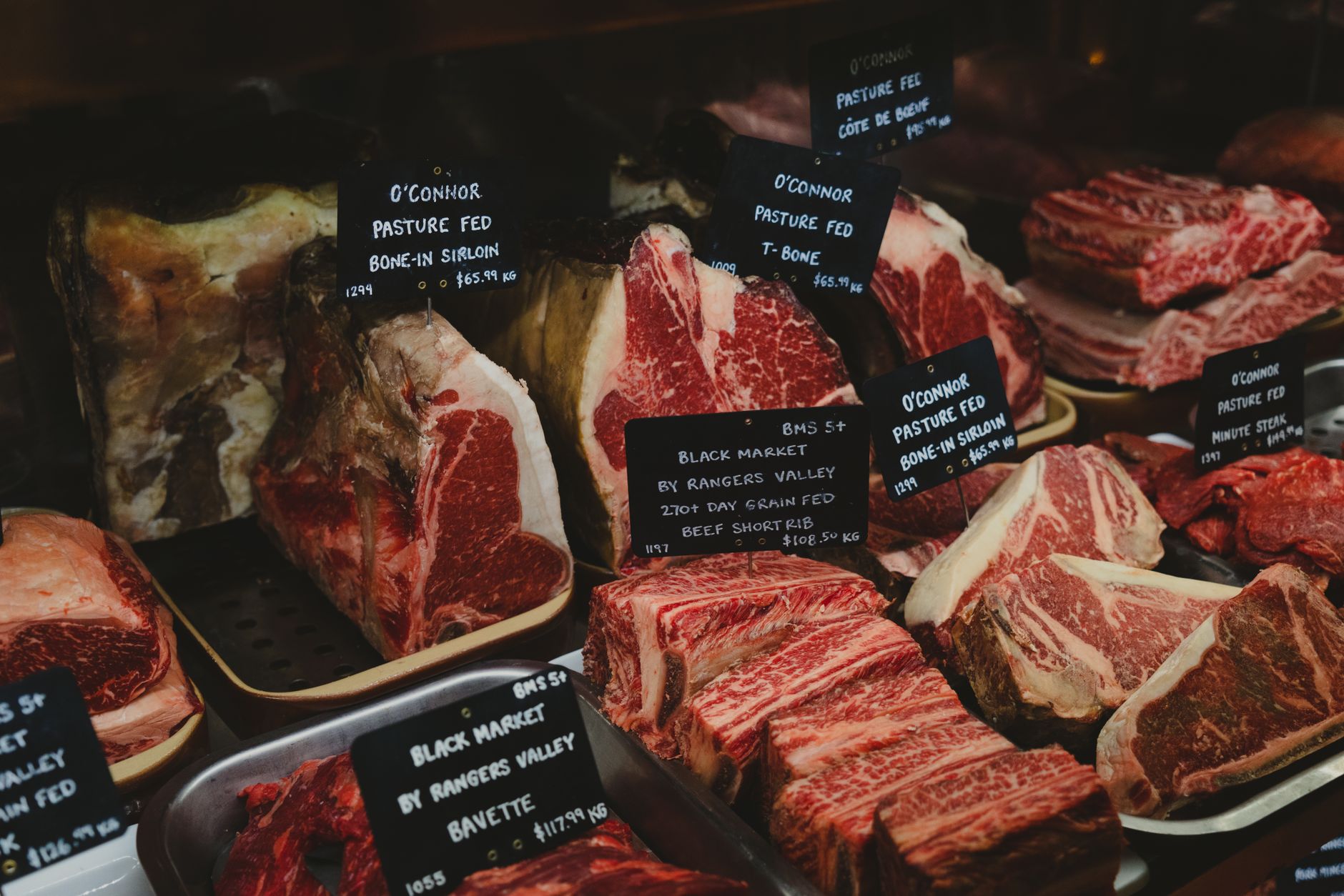
The world of steak offers many options, but few cut through the noise like Wagyu beef. Known for its unparalleled marbling and rich flavor, Wagyu steak has carved a niche for itself among meat lovers. But where does this coveted steak come from, and what makes it so special?
Understanding the origins and production of Wagyu beef not only deepens appreciation for the dish but also helps in making informed choices when purchasing and cooking it. Let’s explore the history, characteristics, and significance of this luxurious meat.
Where Does Wagyu Steak Come From?
Wagyu steak originates from Japan, where “Wagyu” itself translates to “Japanese cow.” The distinct breed is renowned for its exceptional quality, thanks to specific genetic traits, rearing practices, and the environment in which these cattle are raised. The most prized Wagyu beef traditionally comes from four unique Japanese breeds: Japanese Black, Japanese Brown, Japanese Shorthorn, and Japanese Polled.
The History of Wagyu Cattle
The roots of Wagyu can be traced back to the 2nd century A.D. when cattle were introduced to Japan from the Asian mainland. Initially used as draft animals, these cattle were bred selectively over centuries to improve their meat quality and adaptability to local climates.
The Japanese embrace of agriculture meant that cattle were interbred with native species to develop the Wagyu breeds recognized today. In the late 19th century, Japanese Black was established, and this breed remains the most prevalent among Wagyu producers, especially for beef production.
Characteristics of Wagyu Beef
- Marbling: Wagyu beef is uniquely characterized by its fine, intramuscular fat, known as marbling. This gives the meat a rich flavor and buttery texture.
- Flavor: The meat’s high-fat content contributes to its distinctive taste, which is often described as rich and delicate.
- Tenderness: The unique fat composition means that Wagyu steak is incredibly tender, often requiring minimal cooking to achieve ideal doneness.
- Color: Wagyu beef typically has a bright red color with prominent white streaks of fat, indicating high-quality marbling.
Types of Wagyu Beef
Wagyu beef can be categorized based on various factors, including grading and origin. The grading system reflects the marbling, color, and texture of the meat. In Japan, it is graded on a scale from A1 to A5, with A5 representing the highest quality. Outside Japan, Wagyu beef can often be crossbred with other cattle to maintain certain characteristics while increasing availability.
Japanese Wagyu
Japanese Wagyu is revered for its subtle flavor profile, ultra-tender texture, and exceptional marbling. The key types include:
- Kobe Beef: Perhaps the most famous Wagyu, it comes from a specific region and is certified for its high standards.
- Omi Beef: Another premium variety from the Shiga Prefecture known for its rich flavor and marbling.
- Yonezawa Beef: Hailing from Yamagata Prefecture, this beef is known for its fine texture and excellent flavor.
American Wagyu
American Wagyu is typically a crossbreed of Japanese Wagyu and Angus cattle. While it does not match the quality of authentic Japanese Wagyu, American variants offer a more accessible alternative that is densely marbled and flavorful.
The Rearing Process
The traditional methods of raising Wagyu cattle play a critical role in the overall quality of the beef. Japanese farmers focus on the following factors to cultivate premium meat:
- Diet: Wagyu cattle are often fed a special diet composed of grains, grasses, and even sake lees. This regimen enhances marbling and flavor.
- Care: Farmers place high importance on animal welfare, providing stress-free environments for the cattle.
- Maturation: Wagyu beef is aged for weeks to months to enhance its tenderness and flavor profile.
Where to Find Authentic Wagyu Steak
To experience true Wagyu beef, it is essential to source it from reputable suppliers. Many popular restaurants and gourmet suppliers offer a selection of authentic Japanese Wagyu. Here are some tips for finding quality options:
- Check for Certification: Ensure that the meat comes from certified sources, particularly if it is branded as Kobe or a specific variant of Japanese Wagyu.
- Ask Questions: Don’t hesitate to inquire about the meat’s origin, breeding practices, and how it is prepared for sale.
- Reputable Markets: Specialty butcher shops and upscale grocery stores often carry higher-quality selections.
Cooking Wagyu Steak
Cooking Wagyu steak requires a careful approach to maintain its rich flavor and texture. The following methods work well for preparing this luxurious cut:
- Grilling: Lightly season the steak and grill over medium heat to help render the fat, preserving the flavor.
- Panning: Searing Wagyu on a stovetop allows for great control over doneness. Use minimal oil, as the fat content provides ample moisture.
- Oven Roasting: After searing, an oven can be used to finish cooking, especially for thicker cuts.
Common Cooking Techniques and Tips
When cooking Wagyu, here are some key considerations to ensure the optimal dining experience:
- Temperature: Cook Wagyu steak to a medium-rare temperature (around 130°F or 54°C) to best preserve its flavor and tenderness.
- Minimal Seasoning: Due to the intrinsic flavor of Wagyu, a simple seasoning of salt and pepper may be all that is necessary.
- Resting: Allow the steak to rest post-cooking to let the juices redistribute for maximum tenderness.
Pairing Wagyu Steak
Selecting appropriate sides and beverages can enhance the overall meal when serving Wagyu steak. Here are some ideas:
- Sides: Consider traditional Japanese accompaniments, like grilled asparagus or a light salad, to balance the richness of the meat.
- Wines: Full-bodied red wines, such as Cabernet Sauvignon or Merlot, complement the rich flavors of Wagyu.
- Japanese Beverages: Sake or a light beer can be excellent choices for pairing with Wagyu dishes.
Wagyu Outside Japan
Wagyu has gained immense popularity beyond Japan, leading to a variety of production techniques across countries like the United States, Australia, and Canada. However, not all Wagyu outside Japan can boast the same level of quality due to varying breeding and rearing practices.
In the U.S., for example, many farms raise Wagyu alongside traditional breeds to produce a more cost-effective version of premium beef. While this may compromise some of the authenticity, it still leads to delicious beef with rich marbling.
Common Misconceptions About Wagyu
- All Wagyu is Expensive: While authentic Japanese Wagyu can be costly, various crossbreeds and less premium options are available at a lesser price.
- All Wagyu Tastes the Same: The flavor can vary based on the breed, region, feeding, and cooking methods used.
- Wagyu is Just Fat: While marbling is significant in Wagyu, the fat composition contributes positively to flavor, tenderness, and overall eating experience.
Storing and Preserving Wagyu Beef
Proper storage of Wagyu beef is crucial to maintaining its quality before cooking. Here are some guidelines:
- Refrigeration: Store fresh Wagyu beef in the coldest part of the refrigerator and consume it within a few days.
- Freezing: For longer storage, wrap the beef tightly in plastic wrap and place it in airtight containers or vacuum-sealed bags before freezing.
- Thawing: Thaw frozen Wagyu beef in the refrigerator or via a cold water bath to maintain safety and quality.
Conclusion
Wagyu steak is much more than just a dinner dish; it represents centuries of culinary tradition and a commitment to quality. Understanding its origins, characteristics, and preparation techniques elevates your experience of this premium meat. Whether you opt for the authentic Japanese variety or an American counterpart, simple cooking and thoughtful pairings will yield a meal that highlights Wagyu’s inherent qualities. The journey into Wagyu’s world is one of appreciation for quality, history, and flavor.
For more delicious meat recipes and dining ideas, explore our Delmonico Steak Recipe and discover the flavors of Taiwanese Beef Noodle Soup.