
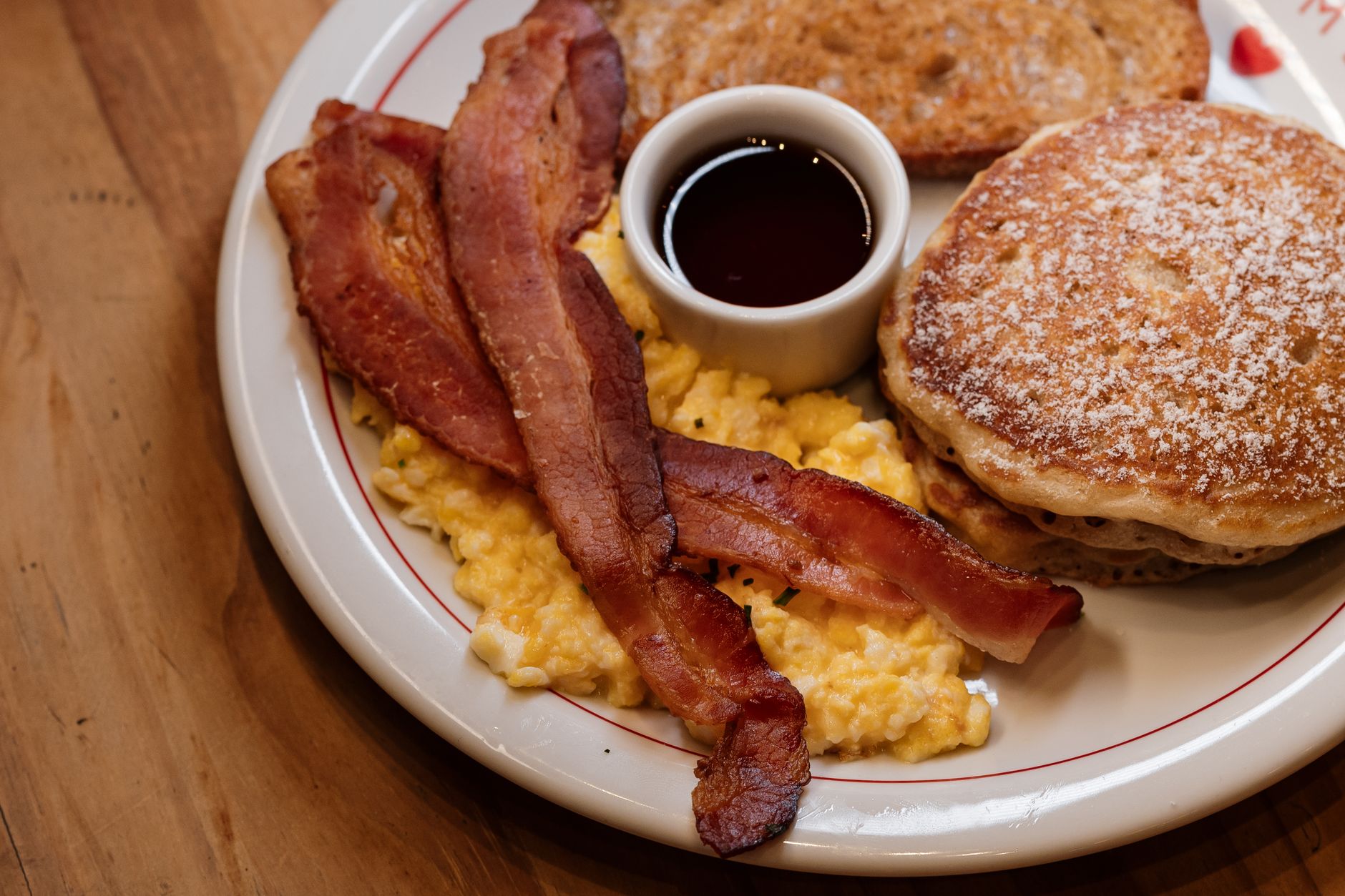
Scrapple, a dish with roots in Pennsylvania Dutch cuisine, is often a subject of curiosity for those unfamiliar with this unique meat product. Made from pork scraps and trimmings, it is mixed with cornmeal, spices, and broth, creating a savory loaf that can be sliced and fried. Understanding what scrapple tastes like can enhance your culinary experience and help you decide how to enjoy it.
This article delves into the flavor, texture, and potential pairings for scrapple, offering insights into why it has earned a place on breakfast tables and beyond. We will explore what makes scrapple distinct, how it is typically prepared, and how to enjoy this regional delicacy.
What Does Scrapple Taste Like?
Scrapple is characterized by its rich, savory flavor and earthy undertones. The taste is influenced by the combination of the various pork parts used, along with spices like sage and black pepper. The texture, being firm on the outside with a creamy interior, provides a satisfying contrast when cooked. This unique profile makes scrapple a beloved breakfast item for many.
The Flavor Profile of Scrapple
When you take a bite of scrapple, you are met with a depth of flavor that is both hearty and satisfying. The flavor can be broken down into several components:
- Porky Richness: The primary flavor comes from the meat components—often including pork belly, liver, and other cuts—giving it a robust, savory taste.
- Herbal Notes: Traditional seasoning blends often include sage, thyme, and occasionally hints of garlic or onion, which add herbal complexity.
- Cornmeal Base: The cornmeal mixed into scrapple adds subtle sweetness and texture, complementing the meat’s richness.
- Umami Depth: The combination of pork and broth provides a distinct umami flavor, enhancing the overall tasting experience.
Texture of Scrapple
Scrapple’s texture is an essential aspect of its appeal. Here’s how it breaks down:
- Crispy Exterior: When pan-fried, the outside of scrapple develops a crispy, golden-brown crust that contrasts beautifully with the soft interior.
- Soft and Creamy Interior: The inside is moist and has a smooth, slightly grainy texture from the cornmeal, providing a comforting mouthfeel.
- Firm Structure: Once chilled and sliced, scrapple holds its shape well, allowing for easy cooking and serving.
Cooking and Serving Scrapple
Cooking scrapple transforms its ingredients into a delicious dish that celebrates its savory nature. Here is how it’s typically prepared:
- Slice the scrapple into thick pieces, about half an inch thick.
- Heat a skillet over medium heat, adding a small amount of oil or butter to prevent sticking.
- Add the slices to the skillet once it’s hot, frying them for about 4-5 minutes on each side or until they are golden brown and crispy.
- Remove from the skillet and drain on paper towels if needed, then serve hot.
Common Pairings for Scrapple
As a versatile dish, scrapple can be paired with various accompaniments to elevate its flavor. Here are some popular pairings:
- Maple Syrup: The sweetness of maple syrup balances the savory notes of the scrapple.
- Apple Sauce: The tartness of apple sauce is a refreshing contrast, providing a bright flavor.
- Eggs: Fried, scrambled, or poached eggs are often served alongside scrapple, adding creaminess and protein.
- Toast or Biscuits: A slice of hearty bread or a fluffy biscuit can help soak up the flavors.
- Hot Sauce: A drizzle of hot sauce adds a spicy kick that enhances the overall experience.
Regional Variations of Scrapple
While scrapple is most commonly associated with the Pennsylvania Dutch community, it has variations in other regions, each offering unique twists:
- Delaware Scrapple: Often includes a variety of spices such as black pepper and coriander, with some recipes incorporating a bit of cayenne for added heat.
- Maryland Scrapple: May use different meats such as turkey or chicken and often features a lighter consistency, incorporating more broth in the mixture.
- New Jersey Scrapple: Known for its chunkier texture due to pieces of meat left in the mixture, providing a heartier taste and mouthfeel.
How to Make Homemade Scrapple
For those who are adventurous in the kitchen, making scrapple at home can be a rewarding experience. It allows you to control the ingredients and customize the flavors to your liking. Here’s a basic overview of how to create your own scrapple:
Ingredients
- 3 pounds of pork trimmings (belly, shoulder, etc.)
- 3 cups of cornmeal
- 6 cups of meat stock or broth (chicken or pork)
- 1 large onion, finely chopped
- 1 tablespoon of black pepper
- 1 tablespoon of sage (or to taste)
- Salt to taste
Essential Equipment
- Large pot for cooking the meat
- Food processor or meat grinder
- Mixing bowl
- Loaf pans for shaping the scrapple
- Skillet for frying
Method
- Cook the pork trimmings in a large pot of water until tender, approximately 2-3 hours. Remove the meat and reserve the broth.
- Once cool, chop the pork into small pieces or grind it using a food processor.
- In a large mixing bowl, combine the chopped meat, cornmeal, chopped onion, spices, and enough reserved broth to form a thick batter.
- Transfer the mixture into greased loaf pans and smooth the top. Refrigerate until firm, about 6-8 hours or overnight.
- Once set, slice the scrapple and cook as desired—preferably by pan-frying until golden brown.
Practical Tips for Cooking Scrapple
To get the most out of your scrapple experience, consider the following tips:
- Chill the scrapple for easier slicing. This helps it maintain its shape and ensures even cooking.
- Use a non-stick pan or cast-iron skillet for frying, as this prevents sticking and promotes even browning.
- Experiment with different spices in your homemade scrapple—for example, adding a pinch of nutmeg or smoked paprika can add depth and character to the flavor.
- Consider serving it with diverse toppings—you can explore combinations like cream cheese and jalapeños for a spicy twist.
Common Mistakes to Avoid
When preparing or cooking scrapple, some common pitfalls can detract from the experience:
- Undercooking: Ensure that the scrapple is cooked through to achieve the desired crispy texture on the outside while being hot throughout.
- Overcrowding the pan: Cooking too many slices at once can lead to uneven cooking and soggy texture—work in batches if necessary.
- Ignoring seasoning: Proper spice and salt balance is critical; don’t skip tasting your mixture before setting it to chill.
Storage and Reheating Guidance
If you’ve cooked or made more scrapple than you can consume in one sitting, proper storage and reheating are essential:
- Storage: Cooked scrapple can be stored in an airtight container in the refrigerator for up to five days. For longer shelf life, consider freezing it.
- Freezing: Wrap slices tightly in plastic wrap or foil before placing them in a freezer-safe bag. Properly stored, it can last up to three months.
- Reheating: Reheat in a skillet over medium heat until crispy and heated through, or place in an oven at 350°F (175°C) until warm.
Conclusion
Scrapple offers a delightful culinary experience with its unique blend of savory flavors and hearty texture. Whether enjoyed at breakfast with eggs and syrup or as a sandwich filling, it has a distinct place in regional cuisine that many adore. For those interested in trying scrapple, whether at a local diner or homemade version, the combinations and pairings are endless, making it a versatile dish worth exploring.
Explore more about culinary delights by checking out recipes, cooking tips, and food guides to enhance your kitchen adventures!