
Dealing with an upset stomach and diarrhea can be uncomfortable and distressing. Choosing the right foods during this time can significantly impact recovery and ease symptoms. Some foods are gentle on the stomach, helping to reduce irritation while providing essential nutrients to the body.
This guide will explore what to eat with an upset stomach and diarrhea, offering practical food pairings and meal suggestions to aid your recovery. Whether you’re looking for comforting carbohydrates or soothing hydration options, you’ll find helpful tips to navigate your dietary choices.
What to Eat with an Upset Stomach and Diarrhea?
If you have an upset stomach and diarrhea, consuming easy-to-digest foods is crucial. Opt for bland, low-fiber options that avoid further irritation while also staying hydrated with clear fluids. Incorporating foods from the BRAT diet—bananas, rice, applesauce, and toast—can help soothe symptoms.
Understanding Why Certain Foods Help
When faced with gastrointestinal distress, the digestive system requires a break from heavy, fatty, or spicy foods. Gentle foods help to manage stomach irritation while providing essential hydration and nutrients. Foods high in potassium, like bananas, can help replenish lost electrolytes. Rice and toast provide carbohydrates to refuel without causing excess stress on the digestive tract.
The Best Foods to Eat
1. Bananas
Bananas are easily digestible and can help replace potassium, which may be lost during diarrhea. They also have a natural binding effect that helps firm up loose stools. Their soft texture makes them gentle on the stomach.
- Choose ripe bananas with a yellow peel.
- Eat them plain, or mash them for easier digestion.
2. Rice
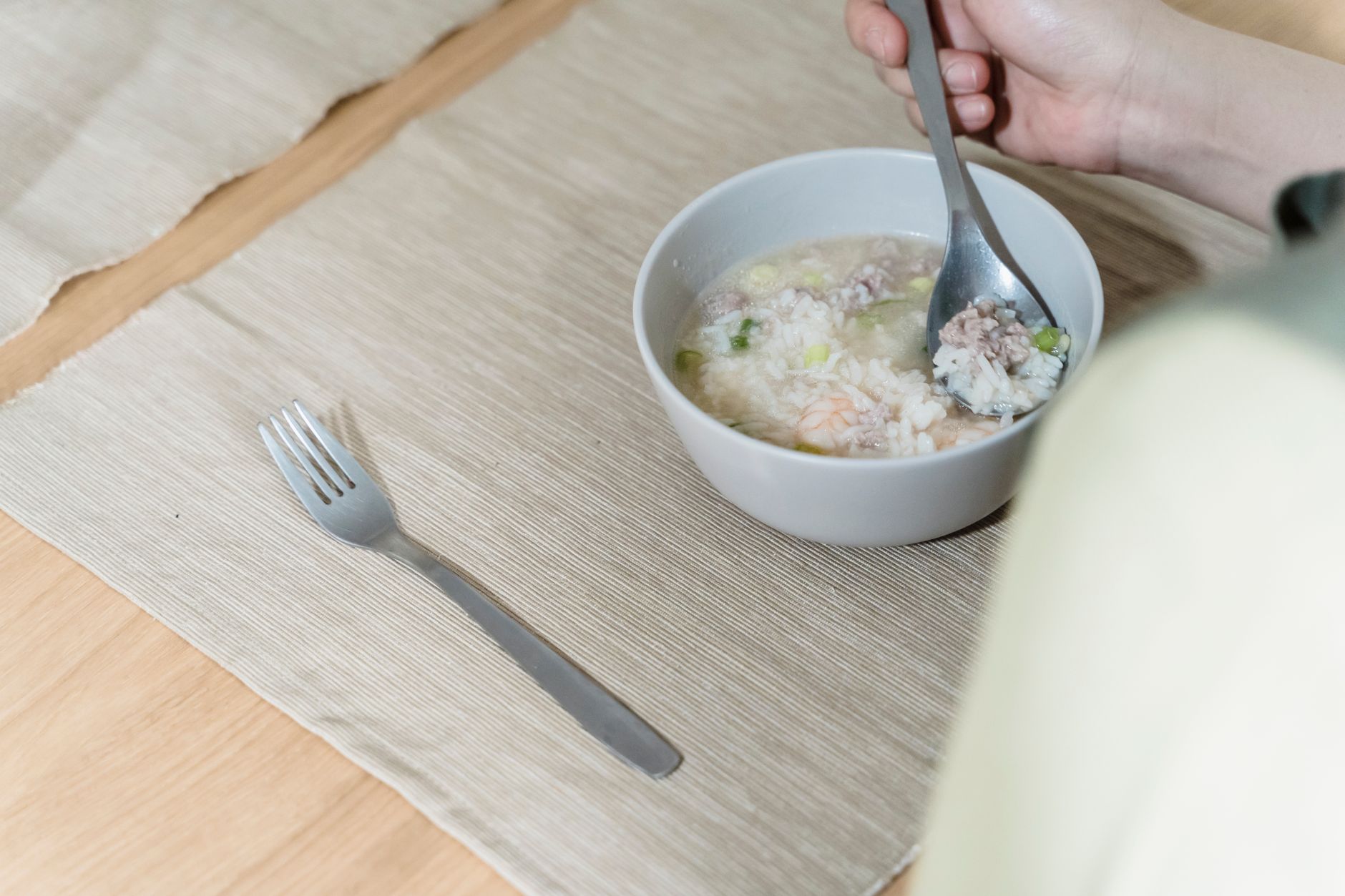
Plain white rice is a staple in soothing diets. It is low in fiber, allowing the digestive system to rest while still providing carbohydrates for energy. This makes it perfect for recovery.
- Cook rice without spices or additives.
- Consider serving it with a small amount of broth for flavor, if tolerated.
3. Applesauce
Applesauce is another great option. It provides pectin, which can help firm up stools. The natural sweetness can also be comforting without being overly harsh on a sensitive stomach.
- Select unsweetened applesauce to avoid added sugar.
- Consume it straight or mix it into plain yogurt if your stomach can handle dairy.
4. Toast
Plain toast can act as a filler, soaking up stomach acids and providing a soothing effect. White bread is recommended as it is easier to digest than whole-grain varieties.
- Opt for lightly toasted bread without butter or spreads.
- Try varying it with small amounts of honey once your symptoms improve.
5. Chicken or Vegetable Broth
Clear broths are excellent for hydration and provide essential nutrients. They are gentle on the stomach, which makes them suitable for those recovering from gastrointestinal distress.
- Choose low-sodium broth to avoid excess salt intake.
- Consider adding soft, cooked vegetables like carrots or potatoes for added nutrients if tolerated.
6. Plain Crackers
Plain, unsalted crackers can be a light snack option. They can help soak up excess stomach acids and provide carbohydrates.
- Select simple varieties like saltines or Ritz.
- Avoid flavored or whole-grain crackers that might be harsher on the stomach.
7. Steamed Potatoes
Steamed potatoes, served plain, can be comforting and provide carbohydrates for energy. They are gentle on the stomach and help replace nutrients lost during illness.
- Use only a small amount of salt for flavoring.
- Avoid toppings like butter or sour cream until you feel better.
8. Yogurt with Probiotics
Once diarrhea subsides, you might consider incorporating yogurt into your diet. Probiotics can help restore the natural flora in your gut, aiding digestion.
- Choose plain, unsweetened yogurt without added sugars.
- Consider lactose-free options if you’re sensitive to dairy.
Hydration is Key
Preventing dehydration is crucial when suffering from diarrhea. Replacing lost fluids and electrolytes helps your body recover. Here are some recommended hydration options:
1. Water
Sipping on plain water frequently is essential. Avoid high-sugar beverages, which can worsen diarrhea.
2. Electrolyte Solutions
Electrolyte drinks, like Pedialyte or powdered rehydration solutions, can help replenish lost salts and minerals. Look for options with low sugar content.
3. Herbal Teas
Caffeine-free herbal teas like peppermint or chamomile can help soothe an upset stomach. They may also provide relaxing effects.
4. Clear Broths
As mentioned earlier, broth is great for both hydration and nutrition. Warm broth can be particularly comforting.
Foods to Avoid
While managing an upset stomach and diarrhea, it’s essential to know which foods to keep off your plate. Avoiding certain categories will help ensure a smoother recovery.
- Fatty or greasy foods: These can be hard to digest and irritate your stomach further.
- Spicy foods: Spices can exacerbate nausea or diarrhea.
- Dairy products: Cheese and milk can cause distress, especially if lactose intolerance is present.
- Caffeinated beverages: Coffee and soda can irritate the digestive system and lead to dehydration.
- High-fiber foods: Foods like raw vegetables and whole grains may worsen diarrhea and should be avoided until recovery.
- Artificial sweeteners: These can have a laxative effect and should be avoided.
Tips for Recovery
Here are some tips to help accelerate recovery and manage symptoms more effectively:
- Eat small meals: Smaller, frequent meals are easier on the digestive system than large portions.
- Chew thoroughly: Taking time to chew your food well can facilitate digestion.
- Rest: Your body requires rest to recover from illness, so prioritize sleep and relaxation.
- Listen to your body: Pay attention to how your body reacts to different foods and adjust your diet accordingly.
- Gradually reintroduce other foods: Once your symptoms improve, slowly bring back a variety of foods to your diet.
Meal Ideas for Recovery
Combining recommended foods can create simple meals. Here are a few meal ideas to consider:
1. Breakfast
- Mashed banana on plain toast.
- Applesauce served with plain oatmeal.
- Yogurt with a small portion of applesauce mixed in.
2. Lunch
- Plain rice with low-sodium chicken broth.
- Steamed potatoes with broth and soft-cooked carrots.
- Plain crackers with a side of bananas or applesauce.
3. Dinner
- Boiled chicken (if tolerated) with a side of plain rice.
- Vegetable broth with mashed potatoes and a small serving of well-cooked vegetables.
- Toast with a light layer of honey after symptoms subside.
When to Seek Medical Attention
While many stomach upsets are manageable at home, there are situations where you should seek medical help. Look out for these signs:
- Persistent diarrhea lasting more than two days.
- Severe abdominal pain.
- High fever (above 101°F / 38.3°C).
- Signs of dehydration: dry mouth, excessive thirst, or decreased urination.
- Blood in your stool.
Conclusion
Managing an upset stomach and diarrhea can be challenging, but knowing what foods to eat and avoid can aid in your recovery. Stick to easily digestible foods like bananas, rice, applesauce, and toast, and make sure to stay hydrated. By taking care of your body with gentle nutrition, you’ll be on the road to recovery soon.
To further support your dietary choices, consider exploring related articles on what to eat after vomiting or what foods have probiotics.