
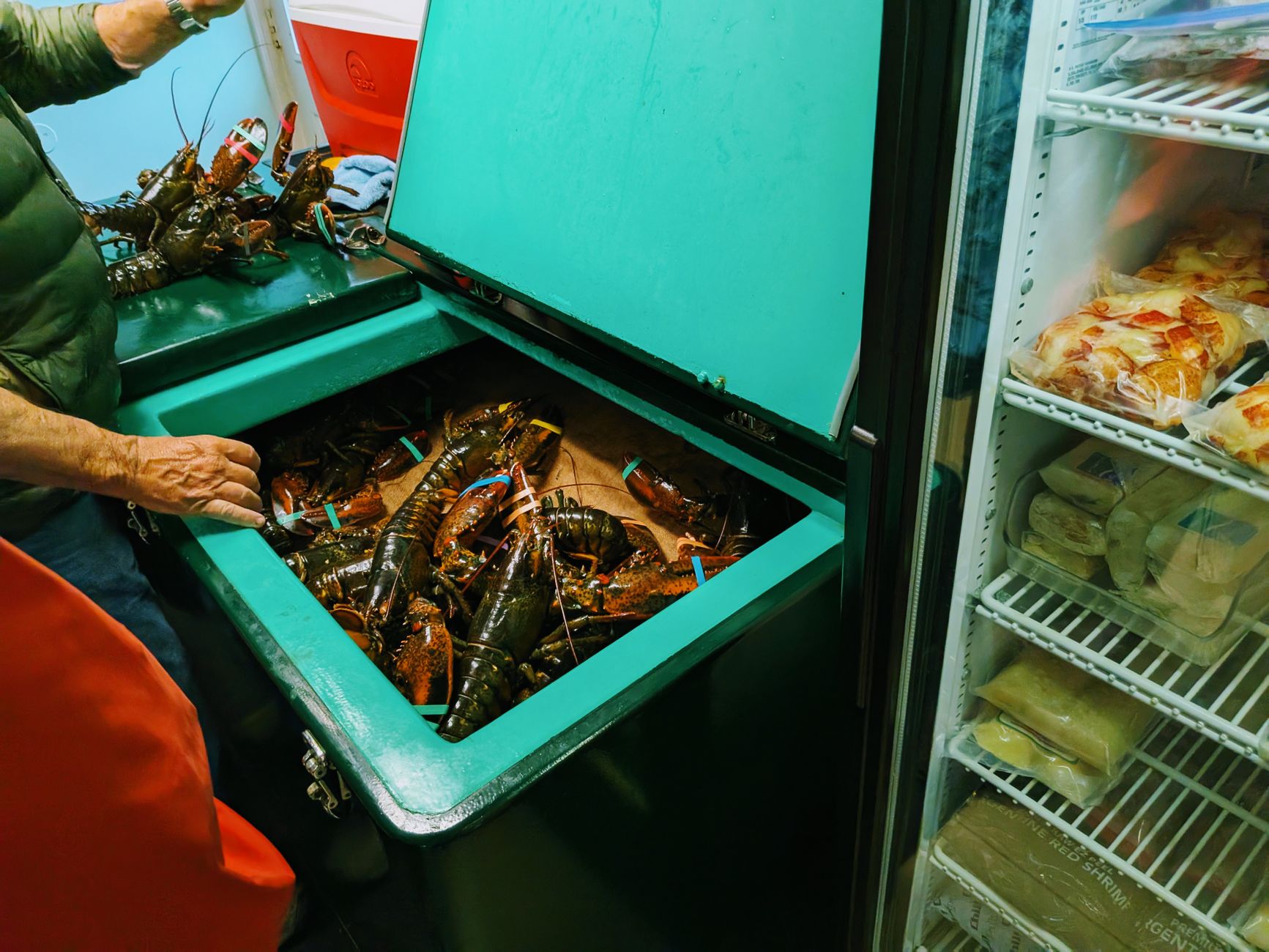
The phrase “freeze by date” often appears on food packaging, indicating until when a product can be safely frozen to maintain its quality. Understanding this date helps ensure that you store your food properly and enjoy it at its best, free from freezer burn or loss of flavor.
This guide will explore what “freeze by date” means, why it matters, and how to properly freeze and thaw food to maximize freshness and safety.
What Does Freeze by Date Mean?
The freeze by date is a suggestion from manufacturers recommending when a food product should be frozen for optimal quality. It usually indicates the point by which you should freeze the item to retain its taste, texture, and nutritional value. After this date, while the food may still be safe to consume, it may not taste as good or have the same texture.
This label is especially important for perishable items such as meats, dairy products, and prepared dishes. Understanding this concept allows you to avoid unnecessary waste and make the most of your food storage.
The Importance of Freeze by Dates
Freezing food is an excellent way to extend its shelf life, but it’s essential to know the implications of freezing items past their freeze by date. Here are a few reasons why adhering to freeze by dates matters:
- Quality Preservation: Freezing food at the right time helps lock in flavors and textures, ensuring that when it’s thawed, it remains delicious and enjoyable.
- Safety: Food stored beyond the recommended dates may not spoil immediately, but it could become unsafe if not handled properly, especially with meats.
- Minimize Waste: Knowing when to freeze food can help prevent spoilage, reducing the amount of food that goes to waste in your household.
How to Freeze Food Safely
To effectively freeze food and maintain its quality, follow these guidelines:
1. Choose the Right Containers
Select freezer-safe containers or bags that are designed specifically for freezing. Look for options that are moisture-resistant and oxygen-tight to further prevent freezer burn.
2. Properly Prepare the Food
Before freezing, prepare the food as needed. This can mean washing, chopping, or cooking the food. Consider blanching vegetables to stop enzyme actions that can cause loss of flavor, color, and texture.
3. Label and Date
Always label containers with the contents and date of freezing. This practice helps you keep track of how long items have been stored and ensures you use them within their best quality timeframe.
4. Cool Before Freezing
If freezing cooked items, ensure they cool completely at room temperature before placing them in the freezer. This helps maintain safe temperatures and avoid raising the freezer’s temperature.
5. Avoid Overloading the Freezer
Do not overcrowd your freezer; this can impede air circulation and lead to uneven freezing. Make sure there is space for airflow to keep everything at an even temperature.
Thawing Food Safely
Thawing food is as critical as freezing. Improper thawing can lead to food safety risks. Here are methods to thaw safely:
1. In the Refrigerator
The safest way to thaw frozen food is in the refrigerator. This method allows for a slow thaw, keeping the food at a safe temperature. Be sure to plan ahead, as this can take time.
2. In Cold Water
If you need to thaw food more quickly, place it in a leak-proof plastic bag and submerge it in cold water. Change the water every 30 minutes, and cook immediately after thawing.
3. In the Microwave
You can use the defrost setting on your microwave to thaw food quickly. However, be aware that some parts of the food may start to cook during this process. It is best to cook the food immediately after using this method.
4. Never Thaw at Room Temperature
Avoid thawing food on the counter or at room temperature, as this can allow harmful bacteria to multiply, increasing the risk of foodborne illness.
Common Freezing and Thawing Mistakes
Here are some common mistakes when it comes to freezing and thawing food, along with tips to avoid them:
1. Not Preparing Food Properly
Failing to use proper storage containers or not blanching vegetables can lead to freezer burn or loss of quality. Always prepare your food appropriately before freezing.
2. Overfilling the Freezer
Stuffing your freezer can affect airflow and lead to uneven freezing. Keep enough space for air to circulate around stored foods.
3. Refreezing Thawed Food
While safe to refreeze food that has been thawed in the refrigerator, it’s not ideal from a quality standpoint. Refreezing can affect texture and flavor, so it’s best to avoid it when possible.
4. Forgetting to Label
Not labeling frozen items can lead to confusion and wasted food. Always write dates and contents clearly on each container.
Food Items and Their Freeze by Dates
The type of food largely dictates how long food remains of good quality when stored in the freezer. Here are some typical items and their general freeze by periods:
| Food Item | Freeze By Date |
|---|---|
| Cooked meats | 2-6 months |
| Raw meats | 4-12 months |
| Fish | 3-6 months |
| Bread | 3-6 months |
| Vegetables (blanched) | 8-12 months |
| Fruits | 6-12 months |
| Soups and stews | 2-3 months |
| Prepared meals | 2-3 months |
Using Leftovers: A Practical Guide
Using leftovers effectively can help minimize waste while saving time on meal prep. Here are some practical strategies:
1. Plan Ahead
When cooking meals, plan to make larger portions that can be frozen for later use. Batch cooking allows you to enjoy home-cooked meals with minimal effort in the future.
2. Utilize Freezer-Friendly Recipes
Choose recipes intentionally designed for freezing, such as casseroles, soups, and sauces. These dishes tend to retain their quality after being frozen.
3. Store in Meal-Sized Portions
When freezing leftovers, divide them into meal-sized portions to make reheating easier. This way, you can thaw just what you need without exposing the entire dish to temperature changes.
4. Keep a Freezer Inventory
Maintaining an updated inventory of your freezer can help you keep track of what you have on hand and plan meals more efficiently. Consider using a magnetic notepad on your fridge.
Tips for Maintaining Freezer Quality
To keep your frozen food tasting its best, remember these helpful tips:
1. Freeze Quickly
Make sure to freeze food as quickly as possible to minimize the formation of ice crystals, which can damage cell structure and lead to textural changes.
2. Keep Freezer Temperature Consistent
The ideal temperature for a freezer is 0°F (-18°C). Avoid frequent opening of the freezer door to maintain a consistent temperature.
3. Rotate Stock
Use older items first to ensure nothing goes to waste. When stocking up, place newer items at the back so older items are used sooner.
4. Check Power Outages
During power outages, keep the freezer door closed as much as possible. A full freezer can keep food cold for about 48 hours when unopened. If you’re unsure, check the temperature with a food thermometer.
Conclusion
Understanding what a freeze by date means is an essential part of effective food storage. By following proper freezing and thawing techniques, you can ensure the optimal taste and texture of your foods while preventing waste. Utilize these tips to enhance your meal planning and make the most of your food resources.
For more practical guides and tips, explore our articles on freezing cooked chicken and freezing pumpkin pie. Both resources offer further insights into maximizing your food storage strategies!