
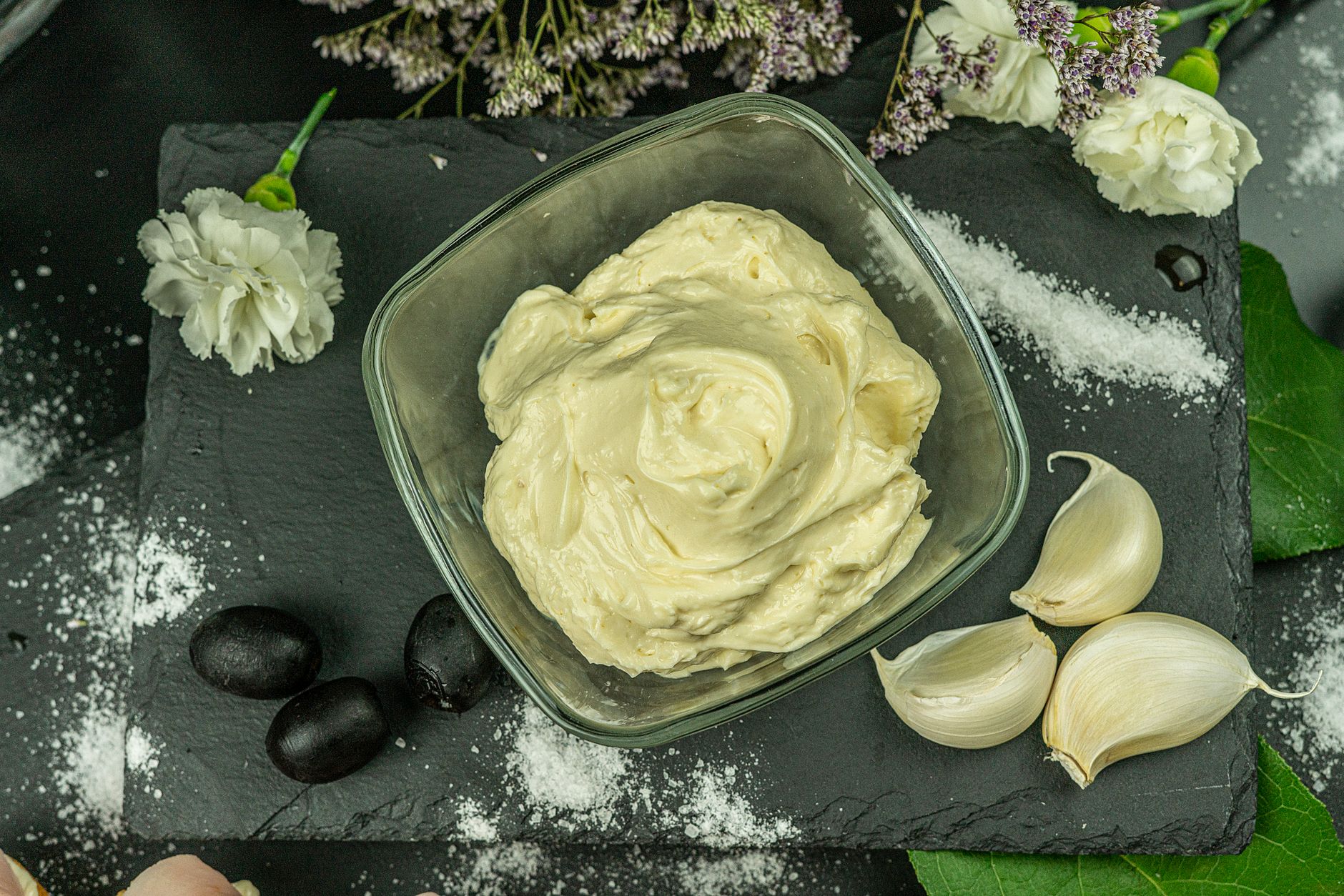
As the Paleo diet has gained popularity, many people have begun to question the suitability of various condiments—including mayonnaise. This creamy staple, often made from eggs and oil, may not usually align with the principles of the Paleo diet. However, the details can be more nuanced than they appear at first glance.
Understanding whether mayonnaise is Paleo-approved requires examining its ingredients and how they fit within the guidelines of this dietary approach. This article explores the core principles of the Paleo diet, analyzes mayonnaise’s nutritional profile, and suggests alternatives that align with a Paleo lifestyle.
Is Mayonnaise Paleo Approved?
In its traditional form, mayonnaise is generally not considered Paleo-approved due to the use of processed oils and other non-Paleo ingredients. However, homemade mayonnaise made with compliant ingredients can easily fit within a Paleo framework.
What is the Paleo Diet?
The Paleo diet, often referred to as the “caveman diet,” emphasizes whole foods and eliminates processed items, grains, legumes, and dairy. It advocates for a return to the eating patterns of early humans, focusing on foods that could be hunted or gathered.
Nutritional Profile of Traditional Mayonnaise
Traditional mayonnaise is typically made from the following ingredients:
- Eggs
- Oil (often soybean or canola oil)
- Vinegar or lemon juice
- Salt
- Sometimes mustard or spices for flavor
This combination results in a high-calorie condiment that is rich in fat, specifically unsaturated fats. The nutritional breakdown consists mainly of:
- Calories: Approximately 100 calories per tablespoon
- Fat: 11 grams, primarily from the oil
- Carbohydrates: 0 grams
- Protein: 0 grams
Why Traditional Mayonnaise is Not Paleo
Traditional mayonnaise is often disqualified from the Paleo diet for several reasons:
1. Use of Processed Oils
Many commercial mayonnaises use refined oils such as soybean, canola, or corn oil, which are high in omega-6 fatty acids and processed through chemical methods not in line with Paleo principles.
2. Additives and Preservatives
Store-bought mayonnaise also contains various additives and preservatives, which are not considered whole foods. For example, some may use modified food starch or artificial flavorings.
3. Eggs from Non-Pastured Sources
Some mayonnaises use eggs that come from factory-farmed chickens, which do not align with the values of those following a Paleo lifestyle who prioritize quality sources of protein.
Homemade Mayonnaise: A Paleo-Friendly Option
Making mayonnaise at home allows you to control the ingredients and adjust them to meet Paleo standards. Here is a simple recipe to make your own Paleo-approved mayonnaise.
Homemade Paleo Mayonnaise Recipe
Yield: Approximately 1 cup
Preparation Time: 5 minutes
Ingredients
- 1 large egg (preferably pastured)
- 1 cup of light-tasting olive oil or avocado oil
- 1 tablespoon of apple cider vinegar or lemon juice
- 1 teaspoon of Dijon mustard (optional)
- Salt to taste
Essential Equipment
- High-speed blender or immersion blender
- Measuring cups and spoons
- A clean glass jar for storage
Method
- Place the egg in the blender or container.
- Add the oil, vinegar (or lemon juice), mustard, and salt.
- If using an immersion blender, keep it at the bottom of the container and turn it on low. Slowly lift the blender while blending to incorporate the oil.
- Continue blending until the mixture emulsifies and thickens to your desired consistency.
- Taste and adjust seasoning as needed.
- Transfer the mayonnaise to a clean glass jar and store in the refrigerator. Use within one week.
Practical Tips for Making Paleo Mayonnaise
Ingredient Substitutions
While the traditional recipe is straightforward, there are variations you can explore:
- If you prefer a different flavor, you can swap out apple cider vinegar with white wine vinegar or use fresh herbs for additional flavor.
- You can add spices like paprika or garlic for a twist in flavor.
Common Mistakes and Troubleshooting
Sometimes mayonnaise may not emulsify correctly, which can lead to a thin or broken texture. Here are a few tips to avoid this:
- Ensure all ingredients are at room temperature before you start.
- Use a fresh egg; older eggs may not emulsify well.
- Pour the oil in slowly while blending. Adding it too quickly can prevent emulsification.
Storage and Shelf Life
Homemade mayonnaise can be stored in an airtight container in the refrigerator for up to one week. Always use a clean utensil to avoid contamination.
Flavor and Culinary Uses of Paleo Mayonnaise
Paleo mayonnaise can be used in a variety of ways, just like traditional mayonnaise:
- As a dip for fresh vegetables or meats
- In salads, such as chicken salad or tuna salad
- As a base for sauces or dressings
- In recipes that call for creamy components, like coleslaw
Serving Suggestions for a Paleo Lifestyle
Paleo mayo can complement many dishes. Here are some serving ideas:
- Mix it with fresh herbs to create an aromatic herb dip.
- Use it in deviled eggs by combining it with mustard and spices.
- Combine it with barbecue sauce for a creamy barbecue dip.
Should You Consider Avocado Oil Mayonnaise?
If you are looking for an easier solution, there are commercially available avocado oil mayonnaises that adhere to Paleo principles. They typically contain simple ingredients and avoid preservatives and fillers.
Brands to Consider
When choosing a store-bought mayonnaise, look for brands that include:
- High-quality oils (like avocado or olive oil)
- Organic and pastured eggs
- No added sugars or artificial preservatives
Paleo-Compatible Alternatives to Mayonnaise
If you prefer to skip mayonnaise entirely, here are some alternatives that can add creaminess to your dishes:
- Guacamole — A creamy avocado spread that is rich in healthy fats.
- Hummus — Made from nut or seed paste, though legumes are not strictly Paleo.
- Nut butter — Use almond or cashew butter as a creamy base in salad dressings.
- Greek yogurt — While dairy is not Paleo, some consider it for tolerable inclusion.
Final Thoughts on Mayonnaise in a Paleo Diet
While traditional mayonnaise is not Paleo-approved mainly due to its processed oils and additives, homemade mayonnaise made with appropriate ingredients can fit perfectly into a Paleo lifestyle. Moreover, exploring various alternatives opens up new flavor dimensions while adhering to the core principles of the diet.
Whether you opt for homemade mayo or choose from high-quality brands, pairing your condiments with fresh produce and high-quality proteins can contribute to a balanced and satisfying Paleo diet. As with all condiments, moderation is key, so enjoy mayonnaise within the context of your overall food choices.
For further exploration of mayonnaise’s role in your diet, consider reading about the potential downsides of mayo at Is Mayo Bad for You?. Interested in adding flavorful twists to your homemade mayo? Check out a Garlic Mayo Recipe for a delicious variation.