
The smell of butter and vanilla filling your kitchen while a golden pound cake bakes is one of those small kitchen moments that feels like home. Buttermilk pound cake is a classic that sits somewhere between a coffee cake and a dessert, dense enough to slice cleanly but tender enough to melt on your tongue.
What makes this recipe special is the buttermilk, which adds a subtle tang that brightens the richness of all that butter and keeps the crumb impossibly moist. You’ll get a cake that tastes elegant but requires just one bowl and basic equipment, making it perfect for weeknight baking or bringing to a gathering without any fuss.
Why You’ll Love This Recipe
This pound cake delivers old-school flavor with modern simplicity, and it’s genuinely hard to mess up once you understand the basics.
- Rich, tender crumb that stays moist for days without any fancy ingredients or complicated techniques
- Tangy buttermilk cuts through the butter, creating a more interesting flavor than traditional vanilla cake
- Makes two loaves at once, so you can gift one or freeze it for later without extra work
- Works beautifully plain with coffee, or dress it up with glaze, berries, or ice cream
- Minimal equipment needed and straightforward mixing method with no special skills required
My Experience Making This Recipe
I first made this cake to use up buttermilk before it spoiled, and I’ve been making it ever since. The first time I pulled it from the oven, the kitchen filled with this buttery, vanilla-scented warmth that stopped me cold.
Slicing into it the next day revealed a fine, even crumb that was somehow both substantial and delicate. My partner ate two slices before asking what was in it, and when I said buttermilk, he looked genuinely surprised.
I’ve made it dozens of times now, and every single time someone asks for the recipe or compliments how it tastes homemade in the best way. It’s become my go-to cake for potlucks, weekend mornings, and those moments when you want something comforting that doesn’t feel like you spent all day in the kitchen.
Recipe Overview
- Recipe Name: Buttermilk Pound Cake
- Servings: 16 slices (makes 2 loaves)
- Prep Time: 15 minutes
- Cook Time: 55 to 60 minutes
- Total Time: 1 hour 15 minutes
- Course: Dessert, Breakfast, Snack
- Cuisine: American
- Calories per Serving: 310
Equipment You Will Need
- Two 9-inch loaf pans
- Parchment paper
- Large mixing bowl
- Electric mixer or mixing by hand with a wooden spoon
- Measuring cups and spoons
- Whisk for combining dry ingredients
- Rubber spatula for folding and scraping
- Toothpick or cake tester for doneness check
- Wire cooling rack
Ingredients for Buttermilk Pound Cake
- 3 cups all-purpose flour
- 1/2 teaspoon baking soda
- 1 teaspoon salt
- 1 cup (2 sticks) unsalted butter, room temperature
- 2 cups granulated sugar
- 4 large eggs, room temperature
- 1 cup buttermilk, room temperature
- 1 tablespoon vanilla extract
- 1/2 teaspoon almond extract (optional but recommended)
Ingredient Notes and Substitutions
- Buttermilk adds tangy flavor and reacts with baking soda to create lift and tenderness. If you don’t have buttermilk, mix 1 cup whole milk with 1 tablespoon lemon juice or vinegar and let sit 5 minutes.
- Room temperature ingredients emulsify better, creating a smoother batter and finer crumb. If ingredients are cold, sit them out for 30 minutes before starting.
- All-purpose flour gives you structure without toughness. Cake flour works but will create a softer, more delicate cake that may need 5 to 10 minutes less baking time.
- Unsalted butter lets you control the salt content and taste pure butter flavor. Salted butter works but reduce the salt in the recipe to 1/2 teaspoon.
- Almond extract is optional but adds a subtle depth that rounds out the vanilla without tasting like almonds. Skip it if you prefer pure vanilla flavor.
How to Make Buttermilk Pound Cake
Step 1: Prepare Your Pans
Preheat your oven to 325 degrees Fahrenheit and grease both loaf pans thoroughly with butter or nonstick spray. Line the bottom of each pan with parchment paper so the cakes release cleanly and you don’t lose the bottoms trying to flip them out.
Step 2: Combine Dry Ingredients
Whisk together the flour, baking soda, and salt in a bowl, breaking up any lumps in the flour. This step distributes the leavening evenly throughout the batter so your cakes rise uniformly without dense pockets.
Step 3: Cream Butter and Sugar
Beat the room temperature butter and sugar together in a large mixing bowl for 3 to 4 minutes until pale and fluffy. This creaming step incorporates air into the batter, which helps the cake rise and creates that tender crumb texture you’re after.
Step 4: Add Eggs One at a Time
Add each egg individually while beating, mixing for about 1 minute after each addition before adding the next. Adding eggs slowly prevents the batter from breaking and ensures they emulsify properly with the butter and sugar.
Step 5: Combine Extracts with Buttermilk
Mix the vanilla extract and almond extract (if using) into the buttermilk in a separate small container. This distributes the flavoring evenly through the wet ingredients rather than adding it all at once.
Step 6: Alternate Wet and Dry Ingredients
Add about one-third of the dry mixture to the creamed butter and eggs, mixing on low speed until just combined. Add half the buttermilk mixture next, then another third of the dry ingredients, then the remaining buttermilk, and finally the last of the dry ingredients, mixing after each addition until just combined.
This alternating method prevents overmixing and keeps the batter from becoming tough. Overmixing develops gluten, which creates a dense, dry cake instead of the tender crumb you want.
Step 7: Divide Batter and Fill Pans
Divide the batter evenly between the two prepared loaf pans and smooth the tops with a spatula. Tapping the pans gently on the counter a couple times releases any large air bubbles that could create tunneling in the final cake.
Step 8: Bake Until Golden
Bake for 55 to 60 minutes, until the tops are golden brown and a toothpick inserted in the center comes out with just a few moist crumbs attached. Every oven bakes differently, so start checking at 50 minutes.
The cakes should spring back slightly when you touch the center and smell deeply buttery and vanilla-scented. If the tops brown too quickly before the cakes are done, tent them loosely with foil for the final 15 minutes.
Step 9: Cool in Pans and Turn Out
Let the cakes cool in their pans for 15 minutes, then turn them out onto a wire cooling rack to cool completely. Cooling them partially in the pan allows the structure to set so they don’t crack when you turn them out, but removing them to a rack prevents them from steaming and becoming soggy on the bottom.
Pro Tip: Make this cake a day ahead and wrap it tightly in plastic wrap; it tastes better the next day when flavors have settled and the crumb becomes even more tender.
Tips for the Best Buttermilk Pound Cake
- Use truly room temperature ingredients, especially eggs and butter, because they emulsify better and create a smoother, finer crumb with less risk of the batter breaking.
- Don’t skip the almond extract if you have it on hand, since just 1/2 teaspoon adds complexity that makes people ask what the secret ingredient is.
- Mix on low speed during the alternating wet and dry step; high speed overdevelops gluten and toughens the cake.
- Use an oven thermometer to verify your oven temperature, because pound cake is sensitive to temperature and even 25 degrees off changes the baking time significantly.
- Wrap cooled cakes tightly in plastic wrap and store at room temperature for the first day so the crumb sets properly before refrigerating.
- If you want an extra fancy finish, brush the warm cakes with a simple syrup made from 1/2 cup sugar and 1/4 cup water boiled together, which adds moisture and subtle sweetness.
Common Mistakes to Avoid
- Using cold ingredients causes the batter to look broken and lumpy, which leads to a dense, uneven crumb and poor rise. Always bring eggs and butter to room temperature first.
- Overmixing the batter, especially after adding flour, develops too much gluten and creates a tough, rubbery cake instead of a tender one. Mix just until ingredients are combined, not smooth.
- Skipping the parchment paper makes it almost impossible to remove pound cakes from the pan without damaging them, and the bottom can stick even with greasing alone.
- Baking at too high a temperature browns the outside too quickly before the inside cooks through, leaving you with a done-looking exterior but underbaked center. Stick with 325 degrees.
- Turning the cakes out too soon, before they’ve cooled at least 15 minutes in the pan, causes them to crack and crumble because the structure hasn’t set.
Serving Suggestions
Buttermilk pound cake shines with simple accompaniments that let the tender crumb and subtle tang shine through. Serve it plain with a cup of coffee for an understated breakfast or dress it up for dessert with just a few additions.
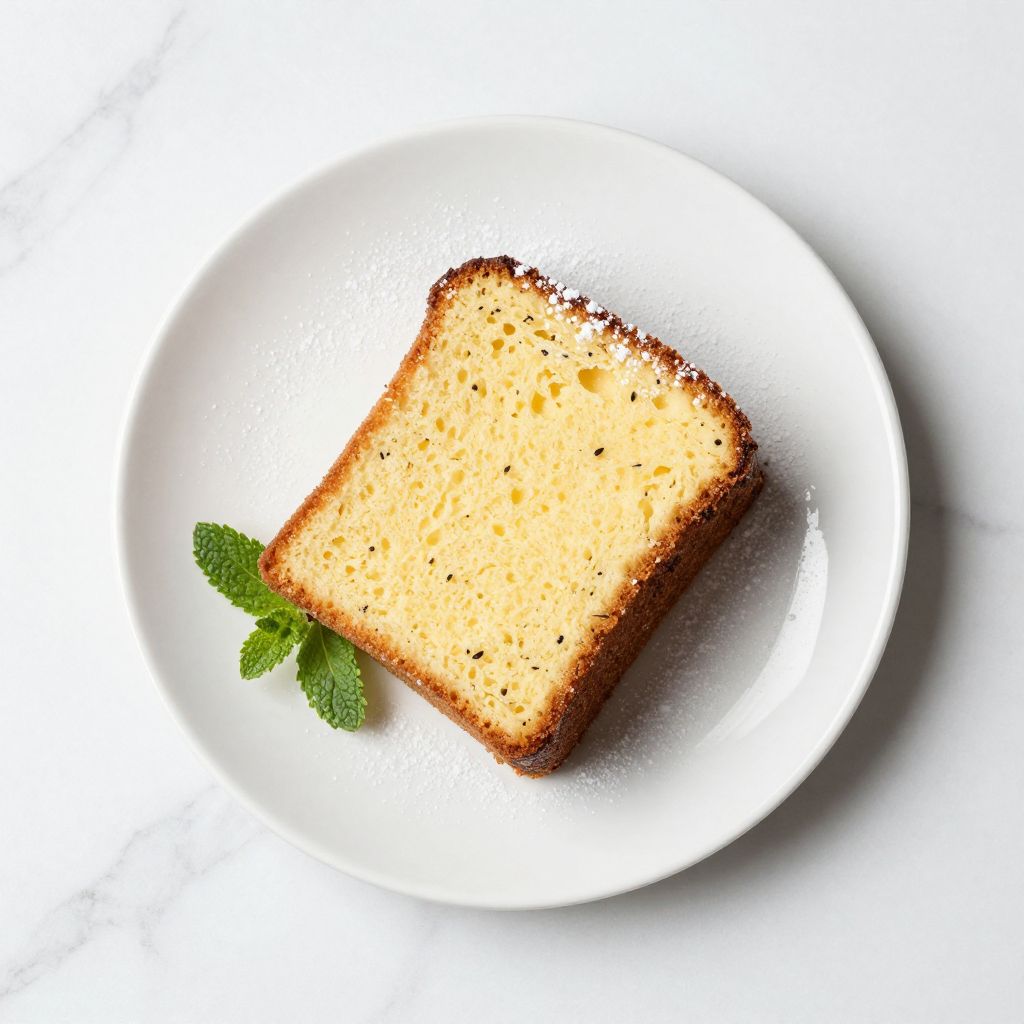
- Dust with powdered sugar and serve plain with hot coffee or tea for an elegant afternoon pause
- Top with fresh berries and a dollop of whipped cream for a light, summery dessert
- Brush with vanilla glaze made from 1 cup powdered sugar mixed with 3 tablespoons milk and 1 teaspoon vanilla extract
- Serve sliced with softly whipped cream and macerated strawberries for a simple but impressive dessert
- Toast thick slices and serve with butter and jam for an indulgent breakfast or brunch
Variations to Try
- Lemon Pound Cake: Replace 1/2 teaspoon vanilla with lemon extract and add the zest of 2 lemons to the batter, creating a bright, citrusy flavor that’s refreshing served with berries.
- Brown Butter Pound Cake: Brown the butter in a saucepan before creaming it with sugar, which adds a nutty, caramelized depth that elevates the entire cake.
- Poppy Seed Pound Cake: Stir 2 tablespoons of poppy seeds into the dry ingredients for a subtle texture and gentle nuttiness that pairs beautifully with a lemon glaze.
- Swirled Chocolate Pound Cake: Divide the batter in half and fold 2 ounces of melted dark chocolate into one half, then layer and swirl the two batters before baking for a marbled effect.
- Spiced Pound Cake: Add 1/2 teaspoon cinnamon, 1/4 teaspoon nutmeg, and a pinch of ground cloves to the dry ingredients for a warm, cozy flavor that works especially well in fall.
Dietary Adaptations
- Gluten-Free: Replace all-purpose flour with a 1:1 gluten-free baking blend and add 1/4 teaspoon xanthan gum if it’s not already in the flour; the texture will be slightly denser but still tender and delicious.
- Dairy-Free: Use dairy-free butter and replace buttermilk with unsweetened oat milk mixed with 1 tablespoon lemon juice; the cake will bake the same but may be slightly less rich.
- Vegan: Use dairy-free butter, replace eggs with a flax or chia egg alternative (1 tablespoon ground flax or chia mixed with 3 tablespoons water per egg), and use plant-based buttermilk; expect a denser, less tender result but still flavorful.
- Lower Carb: Reduce sugar to 1.5 cups and replace the remaining sugar with erythritol, but know that this affects browning and the texture becomes slightly drier.
Storage and Reheating
Refrigerator
Wrap cooled pound cakes tightly in plastic wrap and store them in the refrigerator for up to 5 days. The cakes actually taste better after a day or two once the flavors have settled and the crumb becomes even more tender.
- Let refrigerated cake sit at room temperature for 30 minutes before serving to restore its tender texture
- Slice with a sharp, thin-bladed knife dipped in hot water and wiped clean between slices for neat cuts
Freezer
Wrap completely cooled cakes first in plastic wrap, then in foil, and freeze for up to 3 months. Freezing preserves the moisture and flavor without any noticeable change when properly wrapped.
- Thaw at room temperature while still wrapped, which takes about 4 hours and prevents condensation from making the cake soggy
- Don’t unwrap until fully thawed to avoid moisture loss
Reheating
There’s no need to reheat pound cake, but if you prefer it warm, wrap a slice loosely in foil and warm it at 300 degrees for 5 to 10 minutes. Avoid the microwave because it dries out the cake unevenly.
- Toasting a slice in a toaster oven creates a warmer exterior while keeping the interior tender
- Buttering a slice and toasting it briefly in a skillet creates a crispy exterior and melted interior that’s almost like french toast
Nutrition Information
| Nutrient | Amount |
|---|---|
| Calories | 310 |
| Total Fat | 16 g |
| Saturated Fat | 10 g |
| Carbohydrates | 38 g |
| Fiber | 0 g |
| Sugar | 26 g |
| Protein | 4 g |
| Sodium | 235 mg |
| Cholesterol | 85 mg |
Nutrition values are approximate and based on using standard ingredients. Using different brands or substitutions will change these numbers slightly.
Frequently Asked Questions
Can I make this in a bundt pan instead of loaf pans?
Yes, this recipe works beautifully in a 12-cup bundt pan and will take about 65 to 70 minutes to bake. Cool it in the pan for 20 minutes before turning it out to ensure the delicate cake doesn’t stick.
Can I make this cake ahead and freeze it?
Absolutely, and it’s actually a smart move since you can bake it days ahead and have a homemade dessert ready whenever you need it. Wrap the completely cooled cake tightly in plastic wrap and foil, then freeze for up to 3 months and thaw at room temperature while wrapped.
Why did my pound cake sink in the middle?
This usually happens if your oven temperature is off, the cake isn’t done through, or you opened the oven too early. Use an oven thermometer to verify temperature, avoid opening the oven before the 50-minute mark, and bake until a toothpick inserted in the center comes out with just moist crumbs.
What’s the difference between buttermilk pound cake and regular pound cake?
Buttermilk adds a subtle tang that brightens the richness and reacts with baking soda to create better rise and a more tender crumb. Traditional pound cake uses only butter, eggs, and flour with no buttermilk or leavening, creating a denser, richer cake.
Can I substitute the almond extract with something else?
You can simply omit it if you don’t have it, but you can also use 1/2 teaspoon of orange extract, lemon extract, or coconut extract for a different flavor. The cake works perfectly fine without it if you just prefer pure vanilla.
How do I know when the cake is truly done baking?
A toothpick inserted in the center should come out with just a few moist crumbs, not wet batter, and the top should feel springy when you gently press it. The edges will pull slightly away from the pan sides and the cake will smell deeply buttery and vanilla-scented when fully baked.
Final Thoughts
This buttermilk pound cake is exactly the kind of recipe that sits in the intersection of simple and special, the one you come
Buttermilk Pound Cake
Ingredients
Equipment
Method
- Preheat your oven to 325 degrees Fahrenheit and grease both loaf pans thoroughly with butter or nonstick spray. Line the bottom of each pan with parchment paper.
- Whisk together the flour, baking soda, and salt in a bowl, breaking up any lumps in the flour.
- Beat the room temperature butter and sugar together in a large mixing bowl for 3 to 4 minutes until pale and fluffy.
- Add each egg individually while beating, mixing for about 1 minute after each addition before adding the next.
- Mix the vanilla extract and almond extract (if using) into the buttermilk in a separate small container.
- Add about one-third of the dry mixture to the creamed butter and eggs, mixing on low speed until just combined. Add half the buttermilk mixture, then another third of the dry ingredients, then the remaining buttermilk, and finally the last of the dry ingredients, mixing after each addition until just combined.
- Divide the batter evenly between the two prepared loaf pans and smooth the tops with a spatula. Tap the pans gently on the counter a couple times to release air bubbles.
- Bake for 55 to 60 minutes, until the tops are golden brown and a toothpick inserted in the center comes out with just a few moist crumbs attached. If the tops brown too quickly, tent them loosely with foil for the final 15 minutes.
- Let the cakes cool in their pans for 15 minutes, then turn them out onto a wire cooling rack to cool completely.