
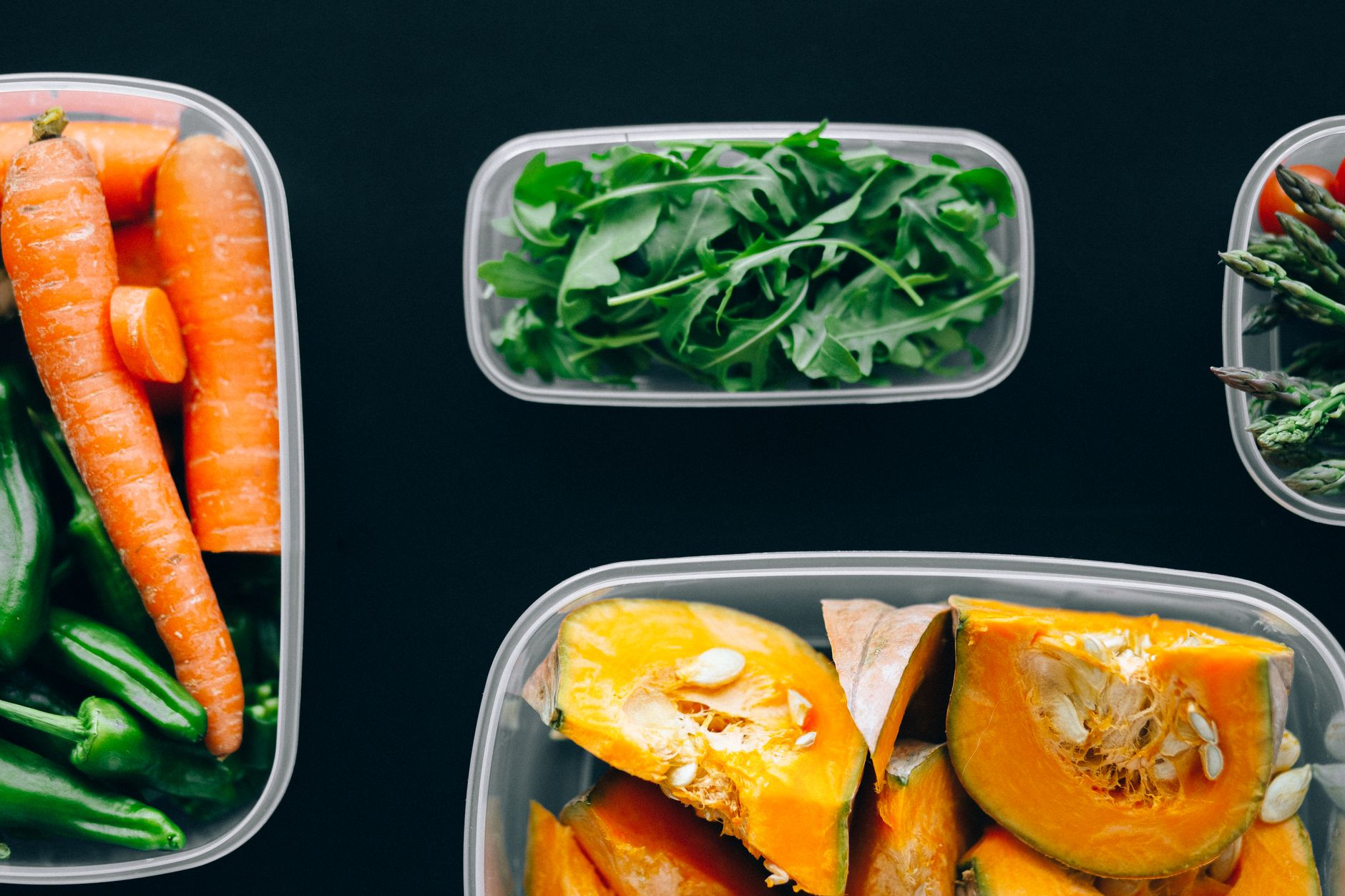
Understanding how long various foods can be safely stored is essential for reducing waste and ensuring food safety. From leftovers to fresh produce, knowing the proper storage times can help you maintain the quality and safety of the food you prepare. In this guide, we’ll explore how long you can keep different types of food items, covering a range of categories including meats, dairy, fruits, vegetables, and pantry staples.
With the right information, you can plan meals more effectively, use ingredients at their freshest, and avoid foodborne illnesses. Let’s delve into the specifics of various food categories and get to know their storage life so you can make informed decisions in your kitchen.
How Long Can I Keep Certain Foods?
The duration of time you can keep food ultimately depends on its type, how it is prepared, and the conditions in which it’s stored. Here’s a detailed look at the storage times for different food categories:
Meats and Poultry
Meats and poultry require careful handling and storage to ensure safety.
- Fresh Poultry (raw chicken or turkey): 1-2 days in the refrigerator, 9 months in the freezer.
- Beef (steaks, roasts): 3-5 days in the refrigerator, 6-12 months in the freezer.
- Ground Beef: 1-2 days in the refrigerator, 4 months in the freezer. For detailed guidance, refer to instructions on how long cooked ground beef is good in the fridge.
- Pork (chops, roasts, ham): 3-5 days in the refrigerator, 4-6 months in the freezer.
- Cooked Meats: 3-4 days in the refrigerator, 2-6 months in the freezer.
Dairy Products
Dairy products can vary widely in their shelf life, sometimes depending on their fat content and processing.
- Milk: 5-7 days after the sell-by date if kept at a consistent refrigerator temperature.
- Yogurt: 1-3 weeks past the sell-by date if unopened; once opened, consume within 5-7 days.
- Cream Cheese: 3-4 weeks unopened, and 1-2 weeks opened.
- Butter: 1-3 months in the fridge, up to 1 year in the freezer.
- Cheese (hard cheeses like cheddar and Parmesan): 3-4 weeks once opened, can last longer if properly wrapped.
- Soft Cheeses (like feta or mozzarella): 1 week after opening.
Fruits and Vegetables
Fruits and vegetables vary greatly in how long they can be kept, depending on freshness at purchase and storage method.
- Apples: 4-6 weeks in the refrigerator.
- Berries: 3-7 days in the refrigerator. Rinse just before eating to prevent spoilage.
- Bananas: 2-7 days at room temperature. Refrigeration slows their ripening but may darken the skin.
- Carrots: 3-4 weeks in the refrigerator; should be kept in a plastic bag.
- Leafy Greens: 3-7 days in the refrigerator; wash and dry before storage for longevity.
- Potatoes: 1-2 weeks in a dark, cool place. Long-term, they can sprout and spoil.
Canned and Packaged Foods
This category includes canned goods and dry pantry staples, which typically have longer shelf lives.
- Canned Vegetables and Fruits: 1-2 years if unopened; use within 3-5 days once opened and stored in the refrigerator.
- Pasta: 2 years if kept in a cool, dry place.
- Rice: 4-5 years for white rice, 1 year for brown rice if stored in an airtight container.
- Beans (dry): 2-3 years stored properly.
- Nut Butters: 6-9 months after opening if refrigerated; they may last longer if unopened.
Frozen Foods
Freezing is a great method to prolong the life of various food items. However, it’s important to store them properly.
- Frozen Fruits and Vegetables: 8-12 months in the freezer. Can be used directly from the freezer without thawing.
- Frozen Meats: 6-12 months depending on type; always label with storage dates.
- Frozen Bread: 3-6 months; can be toasted from frozen.
- Cooked Dishes (like casseroles): 2-3 months.
Understanding Expiration Dates
Food labeling often includes terms like “sell by,” “best by,” and “use by.” Each has different implications.
- Sell By: This date is meant for retailers to manage stock. It doesn’t mean the food is bad after this date.
- Best By (or Best Before): This date suggests quality rather than safety. Foods may still be safe beyond this date.
- Use By: This date indicates the last day for peak quality. It’s crucial for perishable items.
How to Store Food Properly
Proper food storage can significantly extend shelf life and maintain quality. Here are some tips:
Refrigeration
- Keep refrigerator temperatures at or below 40°F (4°C) to slow bacterial growth.
- Store raw meats on the bottom shelf, away from other foods, to avoid cross-contamination.
Freezing
- Use airtight containers or freezer bags to prevent freezer burn.
- Label items with the date of freezing to keep track of storage times.
Pantry Storage
- Keep dry goods in a cool, dark place in airtight containers.
- Organize items to use the oldest products first.
Common Mistakes to Avoid
When it comes to food storage, small mistakes can lead to wasted food. Here are some common pitfalls to watch out for:
- Ignoring Expiration Dates: Always check dates, especially on perishable items.
- Overpacking the Fridge: Allow air circulation for effective cooling.
- Not Using Airtight Containers: They can help to extend shelf life for both opened and unopened items.
Best Practices for Leftovers
Leftovers can become a delicious second meal but must be handled properly.
- Store in shallow containers to cool quickly and evenly.
- Label containers with the date and consume within 3-4 days.
- Reheat to an internal temperature of 165°F (74°C) before serving.
How to Tell If Food Has Gone Bad
There are some tell-tale signs that food has spoiled, including:
- Changes in color or texture.
- Unpleasant smell.
- Visible mold or excessive slime.
Using Food Resources Wisely
One of the most effective ways to manage your pantry and fridge is by planning meals around the items that need to be used first. This not only helps in reducing food waste but also can lead to creative meal ideas.
Example Meal Planning
Here’s a simple weekly meal plan to help make use of ingredients wisely:
- Monday: Grilled chicken with sautéed spinach and quinoa. (Use fresh chicken that needs to be cooked soon)
- Tuesday: Beef stir-fry using leftover beef and frozen vegetables.
- Wednesday: Vegetable soup incorporating any wilted veggies.
- Thursday: Pasta with homemade tomato sauce (using canned tomatoes).
- Friday: Pizza night with assorted toppings, utilizing leftover vegetables and cheese.
- Saturday: Omelets with any remaining vegetables and cheese.
- Sunday: Roast or slow-cooked dish to use any remaining meat or root vegetables.
Final Thoughts
Knowing how long you can keep specific foods allows you to cook and plan meals more effectively. Proper storage, understanding expirations, and using leftover resources wisely all contribute to a more sustainable kitchen. Reduce waste while keeping your meals safe and delicious.
Try to implement these storage tips and ensure you utilize foods before they’re no longer fresh. For further guidance on specific items, explore resources on how long cooked ground beef is good in the fridge or how long you can keep eggs in the refrigerator for additional insights.