
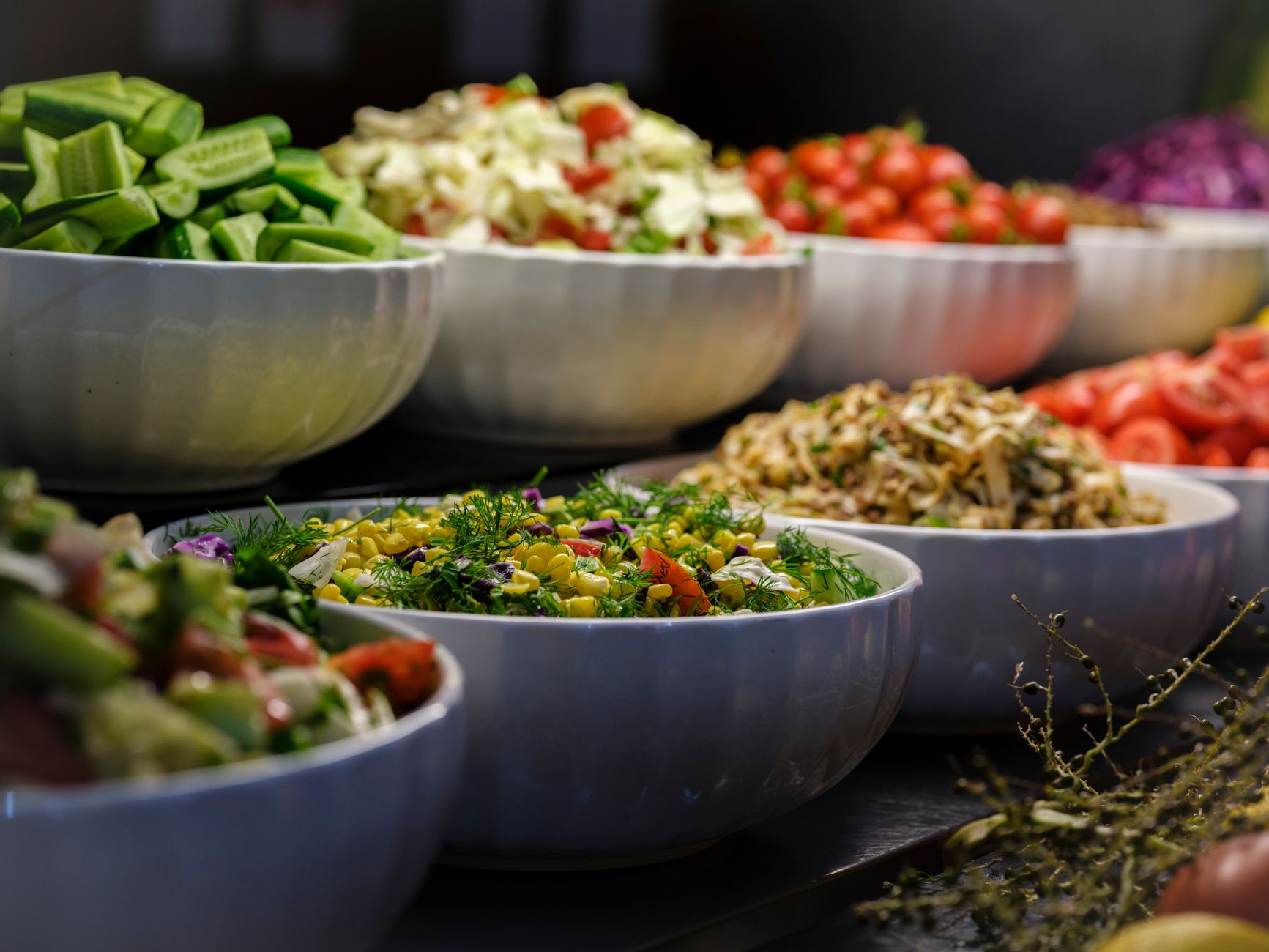
When it comes to maintaining a healthy lifestyle or managing weight, understanding low calorie foods is crucial. Low calorie foods are those that provide fewer calories per serving while still being rich in nutrients and flavor.
These foods can help you achieve your dietary goals, allowing for satisfaction without excessive caloric intake. In this article, we’ll explore various low calorie foods, their portions, nutritional benefits, and ways to incorporate them into your meals.
What Are Low Calorie Foods?
Low calorie foods are generally defined as those providing a limited number of calories, typically less than 40 calories per serving. These foods can be packed with vitamins, minerals, and other essential nutrients while being low in fat and sugars. Common examples include fruits, vegetables, lean proteins, and whole grains.
Incorporating low calorie foods into your diet can help with weight management or simply making healthier eating choices without feeling deprived.
The Benefits of Low Calorie Foods
Eating low calorie foods can offer numerous health benefits, including:
- Weight Management: They allow for the consumption of larger portions without exceeding calorie limits.
- Nutritional Density: Many low calorie foods are also nutrient-dense, providing essential vitamins and minerals.
- Variety in Diet: Incorporating low-calorie options can introduce a range of flavors and textures.
- Improved Health: Regular consumption can lead to better overall health outcomes, such as reduced risk of chronic diseases.
Common Low Calorie Foods
Here are some popular low calorie food options grouped by category. Each food is specified with its average calorie content per serving.
Fruits
- Watermelon: Approximately 30 calories per 100 grams. A hydrating and refreshing choice.
- Strawberries: Around 32 calories per 100 grams. Rich in antioxidants, they make a sweet snack.
- Apple: About 52 calories each, depending on size. High in fiber and versatile in use.
- Blueberries: Roughly 57 calories per 100 grams. Great for smoothies or on their own.
Vegetables
- Cucumber: Only 16 calories per 100 grams. Refreshing and crisp, perfect in salads.
- Spinach: About 23 calories per 100 grams. A nutrient powerhouse that can be used in salads and smoothies.
- Zucchini: Approximately 17 calories per 100 grams. Great for grilling or spiralizing.
- Bell Peppers: Around 20 calories per 100 grams. Crunchy and versatile for various dishes.
Lean Proteins
- Chicken Breast: Roughly 165 calories for a 100-gram serving. A staple low-calorie protein source.
- Tuna (canned in water): Approximately 130 calories per 100 grams. Excellent for salads or sandwiches.
- Egg Whites: Only about 16 calories each. Perfect for omelets and baking without added fat.
- Tofu (firm): About 76 calories per 100 grams. A versatile meat alternative for many dishes.
Whole Grains
- Quinoa: Approximately 120 calories per 100 grams cooked. A complete protein and great grain choice.
- Brown Rice: Around 111 calories per 100 grams cooked. A hearty option with fiber benefits.
- Oats: About 68 calories per 100 grams cooked. Perfect for breakfast and baking.
Incorporating Low Calorie Foods into Your Diet
Incorporating low calorie foods into your diet can enhance your meals without overwhelming calorie content. Here are some practical strategies:
Meal Planning
Planning meals around low calorie foods ensures you always have satisfying options on hand.
- Start with whole grains as a base, such as quinoa or brown rice.
- Add a variety of colorful vegetables, ensuring each meal has a good balance.
- Include a lean protein source, keeping portions reasonable.
- Incorporate fruits as snacks or dessert options to satisfy sweet cravings.
Portion Control
Understanding correct portion sizes is key to enjoying low calorie foods:
- Use a food scale for precise measurements, particularly with grains and proteins.
- Follow recommended serving sizes provided on food labels.
- Visual cues, like a fist-sized portion for fruits and vegetables and a palm-sized portion for proteins, can help.
Experiment with Cooking Techniques
Try different cooking methods to enhance flavors while keeping calories low:
- Grilling: Great for meats and vegetables, enhancing flavor without adding calories.
- Steaming: Retains nutrients, especially in vegetables, while avoiding oil.
- Baking: A healthier alternative to frying, particularly for proteins.
Low Calorie Snack Ideas
Snack time can often be a pitfall for those watching their calorie intake. Here are some satisfying low calorie snack options:
- Carrot sticks and hummus providing crunch and flavor without excessive calories.
- Greek yogurt with berries for a protein-rich, refreshing treat.
- Popped popcorn (air-popped) seasoned with herbs for a guilt-free crunchy snack.
- Rice cakes with avocado combining healthy fats and a low-calorie base.
Common Mistakes to Avoid with Low Calorie Foods
While low calorie foods can be beneficial, some common pitfalls can hinder their advantages:
- Relying Solely on Low Calorie Foods: Not all low calorie foods are created equal; some can be ultra-processed with little nutritional value.
- Overeating Low Calorie Foods: Even low calorie foods can add up if consumed in large quantities.
- Neglecting Nutrient Variety: Avoid focusing on just one food group; ensure a balanced diet with variety.
Meal Prep Ideas with Low Calorie Foods
Preparing meals in advance can help manage calorie intake while ensuring you have healthy options available. Here are some meal prep tips:
- Prepare a large batch of quinoa or brown rice, portioning it out for various meals.
- Chop vegetables at the start of the week and use them in salads or stir-fries.
- Cook multiple servings of lean proteins like chicken breast, storing them for easy meal assembly.
- Prepare smoothie bags with fruits and leafy greens for quick breakfasts or snacks.
Storage Tips for Low Calorie Foods
Proper storage helps maintain the freshness and nutritional value of low calorie foods:
- Store vegetables in airtight containers in the fridge to prolong freshness.
- Keep fruits at room temperature until they are ripe, then refrigerate.
- Use freezer-safe bags for proteins and whole grains to extend shelf life.
Conclusion
Low calorie foods play an essential role in a balanced diet without sacrificing flavor or nutrition. By choosing a variety of fruits, vegetables, lean proteins, and whole grains, you can enjoy satisfying meals while managing caloric intake. Incorporating these foods into your meal planning, controlling portion sizes, and experimenting with cooking techniques will ensure your meals remain enjoyable while achieving your nutritional goals.
Explore related recipes, cooking tips, or food guides to further enhance your culinary experience. Try out our Chia Pudding Recipe or discover our Protein Granola Recipe for delicious low-calorie options!