
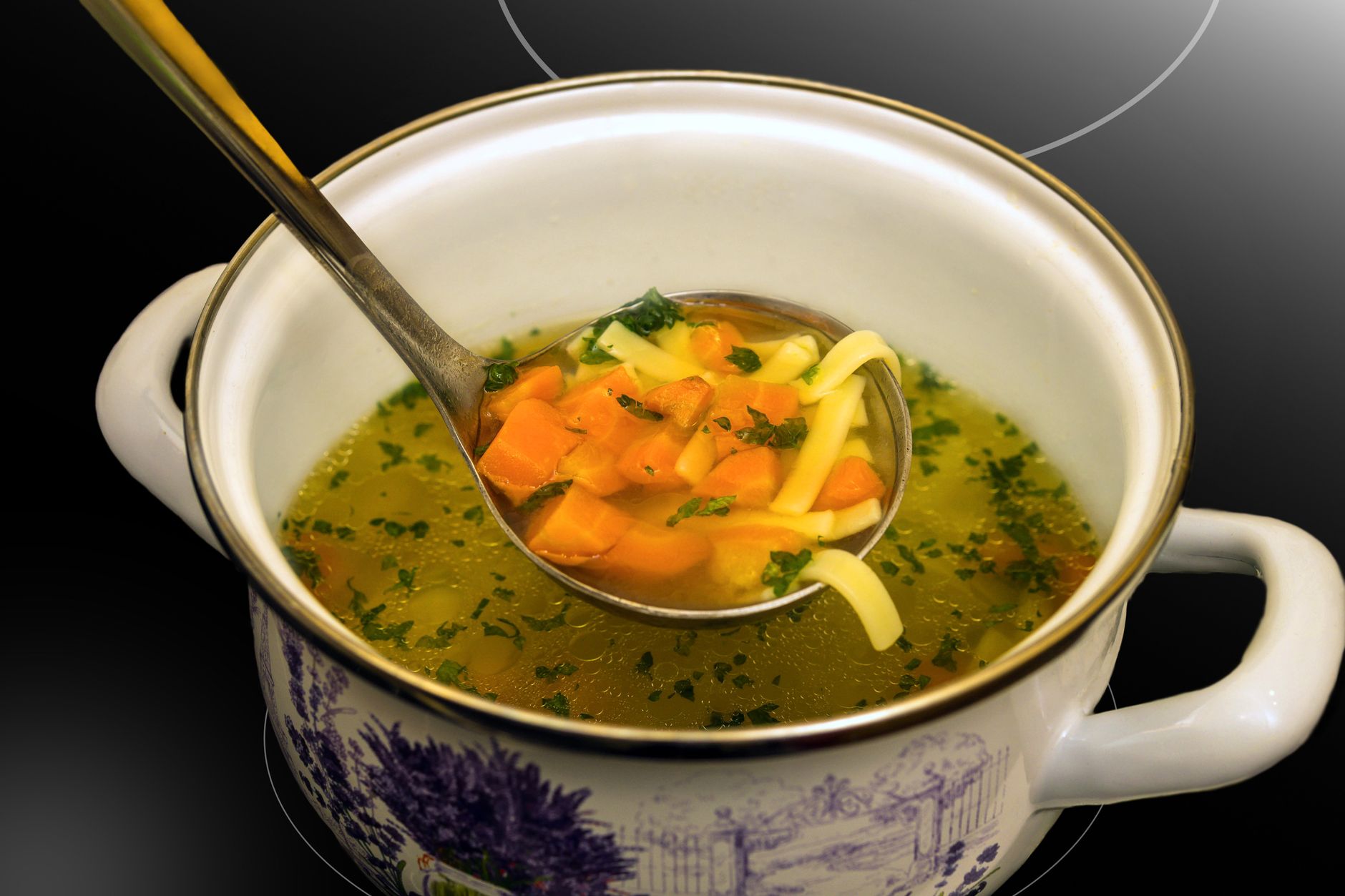
Chicken stock is a versatile ingredient commonly used in cooking, contributing depth and flavor to soups, stews, and sauces. However, the question arises: is chicken stock healthy? This article will explore the nutritional benefits, potential drawbacks, and considerations for incorporating chicken stock into your diet.
With this comprehensive guide, you’ll gain insights into the nutritional profile of chicken stock, how it’s made, and the health implications of consuming it. Understanding these aspects will help you make informed choices about using chicken stock in your meals.
Is Chicken Stock Healthy?
Chicken stock can be healthy when made with quality ingredients and consumed as part of a balanced diet. It typically contains protein, essential minerals, and vitamins, particularly if made from whole, natural ingredients. However, packaged versions can often be high in sodium and other additives, which may affect their healthiness.
What is Chicken Stock?
Chicken stock is created by simmering chicken bones, often with vegetables and herbs, in water for an extended period. This process extracts flavors, nutrients, and gelatin from the bones, resulting in a rich, flavorful liquid that serves as a base for various dishes. Its flavor profile is more robust than chicken broth, primarily due to the long simmering time and the use of bones.
Nutritional Profile of Chicken Stock
Homemade and store-bought chicken stock can significantly differ in nutritional content. Here’s a breakdown of the typical nutrients found in chicken stock:
- Calories: Chicken stock is generally low in calories, making it a good option for adding flavor without excess energy.
- Protein: The protein content of chicken stock can range from 2 to 8 grams per cup, depending on how it is made and the quantity of meat used.
- Vitamins & Minerals: Chicken stock is a source of several essential vitamins and minerals, including magnesium, phosphorus, calcium, and potassium.
- Gelatin: Gelatin, derived from boiling bones, supports joint and gut health. It can help improve digestion and promote healthy skin.
However, the exact nutrient composition may vary based on the preparation method, ingredients used, and whether it is homemade or commercially produced.
Health Benefits of Chicken Stock
Chicken stock offers several health benefits that may complement your diet, especially when consumed as part of a balanced nutrition plan.
1. Supports Hydration
As soup and broth are primarily water, chicken stock can contribute to your daily hydration requirements, particularly when consumed as a warm beverage or as part of a meal.
2. Nutrient Density
Chicken stock can be nutrient-dense, particularly when made using a variety of vegetables and herbs, providing a range of vitamins, minerals, and antioxidants that contribute to overall health.
3. Aid in Digestion
The gelatin in chicken stock may aid digestion and promote gastrointestinal health by creating a protective lining in the digestive tract. This can improve nutrient absorption and support gut health.
4. Immune Support
Warm chicken stock can be comforting during illness and can act as a natural remedy for colds or flu. It may help alleviate respiratory symptoms and provide relief through hydration.
Potential Drawbacks of Chicken Stock
While chicken stock has numerous benefits, it’s essential to consider its potential drawbacks, especially when it comes to packaged varieties.
1. High Sodium Content
Many store-bought chicken stocks and bullion cubes contain high levels of sodium, which can lead to hypertension and other health issues when consumed in excess. Opting for low-sodium versions or making your own stock can help mitigate this issue.
2. Additives and Preservatives
Commercially produced chicken stocks may contain additives and preservatives that enhance flavor or extend shelf life. Always read labels to ensure you are aware of what is in your product.
Homemade Chicken Stock Recipe
Making chicken stock at home ensures you control the ingredients and flavor, resulting in a nutritious and healthy base for your cooking. Below is a simple recipe for making homemade chicken stock.
Ingredients
- 4 pounds of chicken bones (e.g., carcasses from a roast chicken, wings, or thighs)
- 2 medium onions, quartered (no need to peel)
- 2 carrots, chopped
- 2 celery stalks, chopped
- 4 garlic cloves, smashed
- 10 cups of cold water
- 2 bay leaves
- 1 teaspoon black peppercorns
- 1-2 sprigs of fresh herbs (e.g., thyme or parsley)
Equipment Needed
- Large stock pot or slow cooker
- Strainer or cheesecloth
- Storage containers (glass jars or freezer bags)
Instructions
- Place the chicken bones and all the vegetables in a large stock pot or slow cooker.
- Add the cold water, bay leaves, peppercorns, and herbs to the pot, ensuring the ingredients are submerged.
- Bring the mixture to a boil over medium-high heat, then reduce to a simmer.
- Skim off any foam that forms on the surface during the first hour of cooking.
- Cover and simmer for 4-6 hours. If using a slow cooker, set it on low for 8-10 hours.
- Once the stock is rich in color and flavor, remove from heat and strain through a fine-mesh strainer or cheesecloth.
- Allow the stock to cool before transferring it into storage containers. Discard the solids.
- Store in the refrigerator for up to 5 days or freeze for longer-term storage.
Practical Tips for Using Chicken Stock
Here are some practical tips to help you make the most of chicken stock in your cooking:
- Usage: Use chicken stock in soups, stews, sauces, rice dishes, and gravies as a flavorful alternative to water.
- Storage: Stock can be stored in ice cube trays for easy portioning. Simply thaw as needed.
- Flavor Boost: Enhance your stock by adding herbs and spices that complement your dish, such as thyme, rosemary, or turmeric.
- Substitutions: If you’re short on chicken stock, vegetable broth or water with added seasoning can serve as a substitute, though the flavor will be milder.
Common Mistakes to Avoid
While making chicken stock, it’s essential to avoid a few common mistakes that could affect the flavor and quality:
- Not Skimming: Skimming the foam during the first hour helps create a clearer stock, free from impurities.
- Using Raw Bones: Roasting your bones before simmering can enhance the flavor and yield a richer stock.
- Overcooking: Cooking for too long can lead to a cloudy stock. Aim for 4-6 hours for the best results.
Alternative Options to Chicken Stock
If you’re looking for alternatives to chicken stock, consider these options:
- Vegetable Stock: A flavorful option made with vegetables, herbs, and spices, suitable for vegetarian and vegan diets.
- Beef Stock: Made from beef bones, it provides a deeper flavor profile that works well in hearty dishes.
- Fish Stock: For seafood recipes, fish stock provides a lighter taste but also enriches the final dish.
Conclusion
Chicken stock can be a healthy addition to your diet when made with wholesome ingredients. It provides hydration, essential nutrients, and potential digestive benefits. However, it’s crucial to be mindful of sodium levels and to check labels for additives when using store-bought options. Making stock at home removes many of these concerns and enables you to customize its flavor profile.
To further expand your cooking repertoire, explore related topics like this delicious homemade chicken stock recipe or learn about the differences between chicken bouillon and chicken broth at this link. Enjoy creating nourishing meals with chicken stock!