
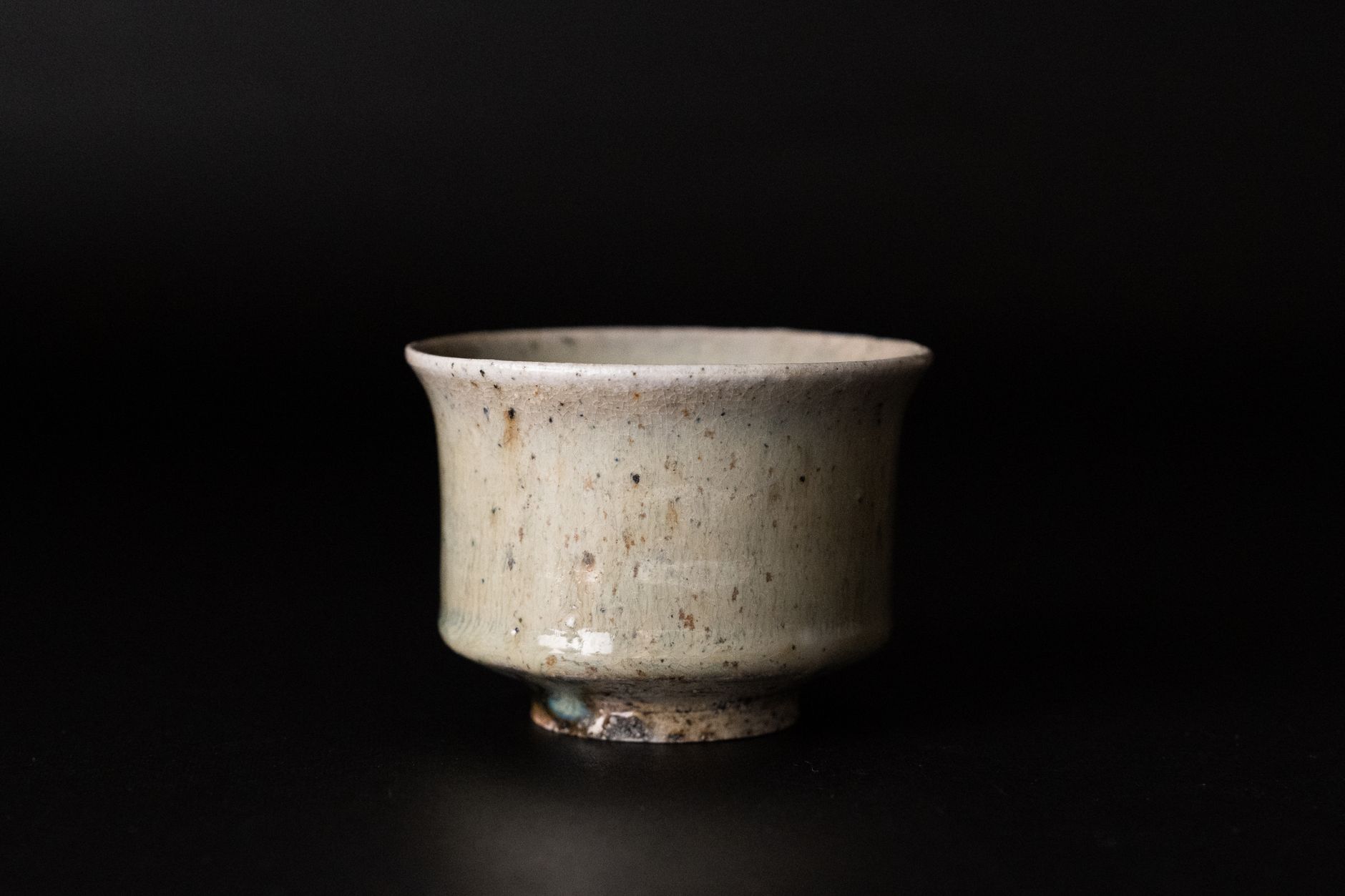
When enjoying a meal with friends or family, you might hear the term “kanpai!” ringing out before drinks are shared. But what does kanpai really mean? This traditional Japanese phrase can be translated to “cheers,” and is an expression that carries deep cultural significance. Understanding the meaning behind kanpai adds a richer context to dining experiences.
In this article, we will explore the origins of kanpai, its historical significance, food associations, and traditions that surround this unique expression. By delving into how kanpai is used in meals and celebrations, you can appreciate not only the term itself but the cultural values it represents.
What Does Kanpai Mean?
Kanpai (乾杯) is a Japanese word that translates to “dry cup,” referring to the act of toasting by raising glasses and expressing goodwill before drinking. It’s similar to saying “cheers” in English, yet embodies a spirit of camaraderie and respectful acknowledgment of those sharing the moment. As such, kanpai embodies more than just the act of lifting a glass—it’s a way to express gratitude and connection with others.
The Origins of Kanpai
The term kanpai originates from two kanji characters: “kan” (乾) meaning “dry” and “pai” (杯) meaning “cup” or “glass.” The phrase suggests the idea of emptying your cup in one shot, a common practice in celebratory drinking in Japan. The significance of this toast can be traced back to ancient traditions where sharing a drink acted as a bonding ritual within communities.
In Japan’s drinking culture, kanpai is often utilized in social settings ranging from casual gatherings to formal celebrations, such as weddings and company parties. Toasting before drinking is customary, as it is believed to enhance the enjoyment of the meal and emphasize the importance of togetherness.
Understanding Kanpai in Food Traditions
Kanpai is intimately connected to Japanese food traditions. Meals in Japan are often communal and focused on the idea of sharing. The act of toasting sets the stage for the enjoyment of food and drink, highlighting the respect for the meal being served. Kanpai is typically accompanied by a variety of traditional Japanese foods, enhancing the overall dining experience.
Common Foods Associated with Kanpai
Kanpai is generally practiced with alcoholic beverages, especially sake, beer, shochu, or whiskey. Here are a few foods commonly associated with kanpai celebrations:
- Sushi: Sushi platters are vibrant and visually appealing, making them popular for social meals. When enjoying sushi, raising a glass and saying kanpai accentuates the moment.
- Ramen: Delicious bowls of ramen often call for a kanpai moment to celebrate the start of a warm meal, especially during colder months.
- Tempura: Lightly battered and fried vegetables or seafood served with a dipping sauce complement the crisp freshness of drinks.
- Yakitori: Grilled chicken skewers eaten with drinks can create a minimal yet satisfying dining experience, perfect for kanpai moments.
Kanpai and Japanese Drinking Culture
The act of kanpai is not just about drinking; it’s rich with cultural practices and social customs. In Japan, how you drink and enjoy meals represents respect and courtesy. Here are some important considerations regarding kanpai and drinking etiquette:
General Etiquette and Customs
- Always hold your glass or cup with both hands when toasting. This signifies respect towards others.
- Wait for the host or eldest member to initiate the kanpai before raising your glass. It is a sign of respect to follow their lead.
- Make eye contact with the people you’re toasting. This enhances the connection and moment shared amongst the group.
- Do not fill your own glass; it is customary for others to pour drinks for you.
Popular Kanpai Toast-Situations
Kanpai is often repeated in various settings—both casual and formal. Here are some of the popular scenarios where kanpai takes center stage:
- Celebratory Events: Whether it’s a wedding, birthday, or New Year celebration, kanpai is central to gatherings that mark significant moments.
- Corporate Parties: During business gatherings and staff appreciation events, kanpai enhances team bonding and camaraderie.
- Casual Get-Togethers: Friends enjoying a casual night in or at a restaurant will often toast with kanpai to celebrate friendship and kinship.
How to Practice Kanpai at Home
If you want to bring the spirit of kanpai into your home, there are a few traditions and ideas you can consider implementing during meals or celebrations.
Creating a Kanpai Atmosphere
To create an authentic kanpai experience, consider the following:
- Set a Beautiful Table: A well-set table enhances the dining experience. Include colorful dishes and an appealing drink selection.
- Offer Traditional Foods: Serve Japanese dishes or any foods that resonate with you and your guests, encouraging sharing.
- Select a Variety of Drinks: Offer sake, beer, or wine. Consider non-alcoholic options as well for those who prefer not to drink.
- Encourage Sharing Stories and Connections: Foster a warm environment that allows guests to connect and share their experiences.
Timing Your Kanpai
The moment for kanpai is crucial in enhancing your gathering. Make sure to offer a toast when everyone has their drinks ready, and take a moment to express gratitude for the meal, the company, and any special occasions being marked.
Common Mistakes to Avoid
While practicing kanpai may seem straightforward, some common mistakes can detract from the experience:
- Not Waiting for Everyone: It’s important not to drink before everyone is ready—this can convey impatience.
- Inappropriate Glass Sizes: Make sure to use appropriate glasses based on the drinks being served to honor their significance.
- Overindulging Too Quickly: Toasting and drinking should be part of a shared experience rather than a race.
Kanpai in Modern Dining
Modern dining culture has taken kanpai beyond Japanese restaurants, and it can now be incorporated into various cuisines around the world. Inviting the spirit of kanpai into diverse meals enhances experiences and builds bridges between cultures through food and drink.
Bringing Kanpai into Fusion Meals
When hosting a dinner that combines different culinary traditions, kanpai can still hold significance. Consider these fusion meal ideas:
- Tacos and Margaritas: Encourage a kanpai moment before enjoying a variety of tacos and refreshing margaritas.
- Pasta and Wine: Celebrate with kanpai before indulging in a rich Italian feast paired with exquisite wines.
- Barbecue Cookouts: Kanpai can complement casual summer gatherings around grilled foods, beer, or fruity cocktails.
Utilizing Kanpai in Social Media
As social media continues to influence food culture, the concept of kanpai has also found its way online. Photographs of gatherings capturing the moment of kanpai have become popular on platforms like Instagram and Facebook. Here’s how to leverage this:
Sharing Your Kanpai Moments
- Use Hashtags: Consider using relevant hashtags such as #Kanpai or #Cheers in posts about shared dining moments.
- Highlight Cultural Ingredients: Post pictures of traditional Japanese foods accompanied by drinks when practicing kanpai.
- Promote Togetherness: Share stories about how people came together through food and the significance of kanpai in the experience.
Storing and Choosing Ingredients for Kanpai Celebrations
When planning gatherings that involve kanpai, careful meal planning and ingredient selection are important to ensure a harmonious experience:
Choosing the Right Drinks
Select beverages that complement your meal. Consider the following suggestions:
- Sake: A traditional Japanese rice wine that can range from light and floral to full-bodied.
- Japanese Beer: Lagers like Asahi or Sapporo pair well with many Japanese dishes.
- Whiskey: Japanese whiskeys have garnered international acclaim and can add a sophisticated touch to your kanpai.
Selecting Food Ingredients
When preparing food for kanpai celebrations, prioritize fresh, high-quality ingredients. Shop at local markets or trusted grocery stores to stock up on:
- Fresh fish or seafood for sushi and sashimi
- High-quality noodles for ramen
- Fresh vegetables for tempura
- Marinated meats for grilling in yakitori
Meal Prep for Kanpai Gatherings
Preparation is key to creating a successful kanpai experience. Here are some handy tips:
- Batch Cooking: Prepare dishes like curry, stews, or soups in advance for ease on the day of the gathering.
- Dimensioning Sides: Consider a good balance of sides that complements the main dish, such as pickled vegetables or rice.
- Prep Drinks Early: Chill drinks ahead of time. If serving sake or white wine, allow them to cool to enhance flavors.
Celebrating Kanpai: A Personal Takeaway
Incorporating kanpai into your dining experiences fosters relationships and builds celebratory moments centered around quality food and drink. Whether it’s a simple dinner with family or a grand celebration, striking the right note with kanpai elevates the atmosphere and the meal itself.
Ultimately, practicing kanpai is about embracing connection. In every kanpai toast lies a moment for appreciation, engagement, and joy, magnifying the beauty of sharing food and drink together.
For those interested in bringing additional flavors to their meals, explore our recipes, such as something unique like our Kanji Recipe and the delightful Chia Pudding with Coconut Milk for your next gathering, enhancing both taste and experience.