
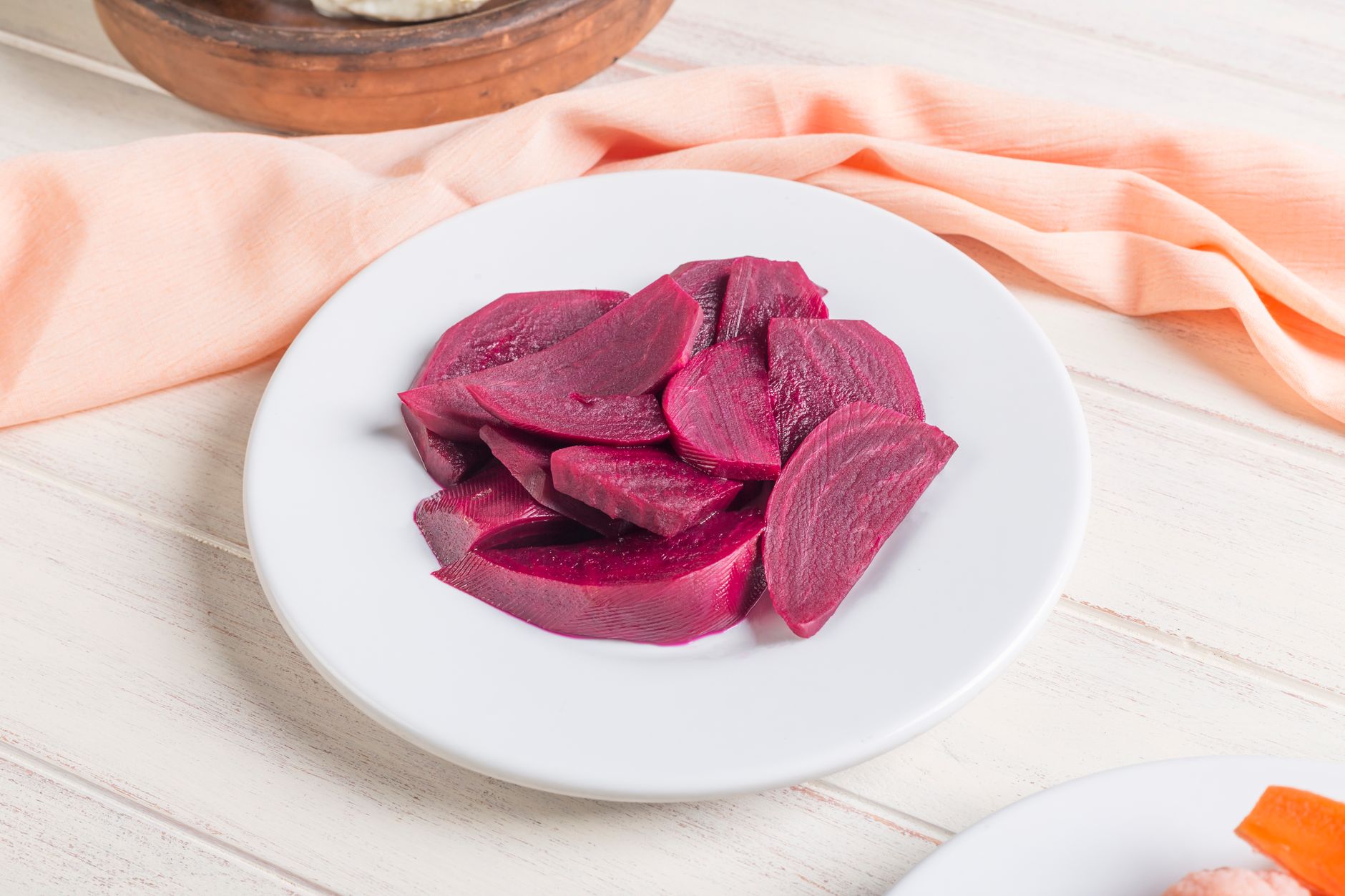
Beet root, commonly known simply as beets, is a vibrant root vegetable that is celebrated for its earthy flavor and striking color. Often overlooked in the culinary world, beets offer a rich source of nutrients and can be prepared in a variety of delicious ways. This guide will explore beet root’s ingredients, flavor profile, and how to serve it creatively in your meals.
From salads to smoothies, beets have gained popularity for both their health benefits and culinary versatility. Let’s delve into everything you need to know about beet root.
What Is Beet Root?
Beet root is the taproot portion of the beet plant, scientifically known as Beta vulgaris. Belonging to the amaranth family, this colorful vegetable can be found in various cultivars, including red, golden, and striped varieties. Beets are primarily cultivated for their edible roots, but the greens are also edible and nutritious.
Nutrition and Health Benefits
Beets are packed with essential nutrients, including:
- Vitamins: Beets are a great source of vitamin C and several B vitamins, including folate.
- Minerals: They contain minerals like potassium, manganese, and magnesium.
- Antioxidants: Beets are rich in antioxidants such as betalains, which give them their vibrant color and have anti-inflammatory properties.
- Dietary Fiber: The fiber in beets aids in digestion and promotes a healthy gut.
These nutritional components contribute to several health benefits, like improved blood flow, lower blood pressure, and enhanced athletic performance.
Flavor Profile and Texture
Beet root has a distinct earthy and slightly sweet flavor that can vary depending on its preparation method. When cooked, beets become tender and juicy with a subtle hint of sweetness. Raw beets, on the other hand, have a crisp texture and a more robust flavor. Their vibrant color and unique taste make them an excellent addition to salads, sides, and main dishes.
How to Select and Store Beet Root
Selecting Fresh Beets
When choosing beets, look for the following characteristics:
- Firmness: Select firm beets with smooth skin, avoiding any that feel soft or have wrinkles.
- Size: Smaller beets tend to be sweeter and more tender, while larger ones may have a tougher texture.
- Color: Vibrant, deep color indicates freshness. Avoid any beets with dull or faded skin.
Storing Beets
Beets can be stored in a cool, dark place. To preserve their freshness:
- Remove their greens, as they draw moisture from the roots.
- Keep beets in a perforated plastic bag in the refrigerator’s vegetable drawer.
- Properly stored, they can last up to two weeks in the refrigerator.
Preparation Techniques
Beets can be prepared in various ways, each yielding different flavors and textures. Here are some common methods:
Roasting
Roasting enhances the sweetness and richness of beets. To roast:
- Preheat your oven to 400°F (200°C).
- Wash and trim beets, leaving the skin on.
- Wrap each beet in aluminum foil.
- Place on a baking sheet and roast for 45 minutes to 1 hour, until tender.
- Let them cool before peeling and slicing.
Boiling
Boiling is a quick method that softens beets but can dilute their flavor:
- Wash and trim the beets, leaving some stem to prevent bleeding.
- Place beets in a pot, cover with water, and bring to a boil.
- Reduce heat and let simmer for 30-45 minutes until tender.
- Drain, cool, and peel the skin off before using.
Raw
Using raw beet roots adds crunch and freshness to dishes. They can be grated or thinly sliced, perfect for salads:
- Wash and peel the beets before grating or slicing.
- Combine with other vegetables, dress with lemon juice, or add to slaws.
Creative Ways to Serve Beet Root
Beets can be served in numerous ways, bringing color and nutrition to your plates.
Beet Salad
A classic way to highlight beets is in a salad. Combine roasted, cubed beets with arugula, goat cheese, and walnuts. Dress with olive oil and balsamic vinegar for a delightful contrast of flavors.
Beet Soup
Beet soup, or borscht, is a traditional Eastern European dish. To make this soup:
- Sauté onions and garlic in olive oil.
- Add diced beets, potatoes, and vegetable broth.
- Simmer until vegetables are tender, then blend until smooth.
- Serve hot, garnished with sour cream and dill.
Beet Smoothie
For a nutritious drink, blend raw or cooked beets with yogurt, banana, and a handful of spinach. Add honey for sweetness if desired.
Common Substitutions and Variations
If beets aren’t your preference or if you’re looking for alternatives, consider the following substitutions:
- Carrots: Offer a similar sweetness and texture.
- Sweet Potatoes: Provide earthiness and sweetness; however, they require different cooking times.
- Radishes: For a spicier kick, especially when pickled.
- Cabbage: Can bring crunch and color to salads.
Common Mistakes and Troubleshooting
When preparing beets, avoid these common pitfalls:
- Overcooking: Beets can become mushy if cooked too long. Always check tenderness with a fork.
- Peeling Before Cooking: This can lead to loss of flavor. Always cook them with their skins on, then peel.
- Not Properly Rinsing: Be sure to wash dirt off thoroughly before cooking to avoid gritty textures.
Serving Suggestions
Beet root can make an attractive centerpiece on your plate due to its vibrant color. Here are a few serving ideas:
- Serve warm or chilled in salads or as a side dish.
- Pair with proteins like chicken, fish, or legumes to complete a meal.
- Top pancakes or waffles with a beet syrup for a sweet breakfast twist.
Make-Ahead Ideas
Beets can be prepared in advance, saving time during busy weeknights:
- Cook and refrigerate beets for up to five days.
- Pre-make beet salads and store them in airtight containers, adding dressings just before serving.
- Puree cooked beets to add to baking recipes, such as muffins or brownies for added moisture and nutrition.
Recipe: Roasted Beet and Goat Cheese Salad
This delicious salad highlights the earthiness of beets while the goat cheese adds a creamy contrast. Perfect as a side dish or main course.
Yield: 4 servings
Prep Time: 15 minutes
Cook Time: 45 minutes
Total Time: 1 hour
Ingredients
- 4 medium-sized beets
- 2 cups arugula
- 4 oz goat cheese, crumbled
- 1/2 cup walnuts, toasted
- 3 tbsp olive oil
- 2 tbsp balsamic vinegar
- Salt and pepper to taste
Essential Equipment
- Aluminum foil
- Baking sheet
- Mixing bowl
- Whisk
Method
- Preheat the oven to 400°F (200°C).
- Wrap each beet in aluminum foil and place them on a baking sheet.
- Roast in the oven for 45 minutes or until a fork can easily pierce them.
- Once cool, peel the beets, slice them and set aside.
- In a bowl, whisk together olive oil, balsamic vinegar, salt, and pepper.
- In a serving platter, layer arugula, top with sliced beets, sprinkle goat cheese and walnuts.
- Drizzle the vinaigrette over the salad and serve immediately.
Storage and Reheating
Cooked beets can be stored in an airtight container in the refrigerator for up to five days. They do not freeze well as they can become mushy upon thawing. When reheating, ensure they are warmed through, either in the oven or microwave.
Beet root offers a wealth of culinary possibilities, from vibrant salads to hearty soups. Its unique flavor and numerous health benefits make it a fantastic addition to a balanced diet. Don’t shy away from this colorful vegetable—try incorporating it into your next meal!
For more culinary inspiration, check out our Harvard Beets recipe or learn about Swiss chard, another nutritious green.