
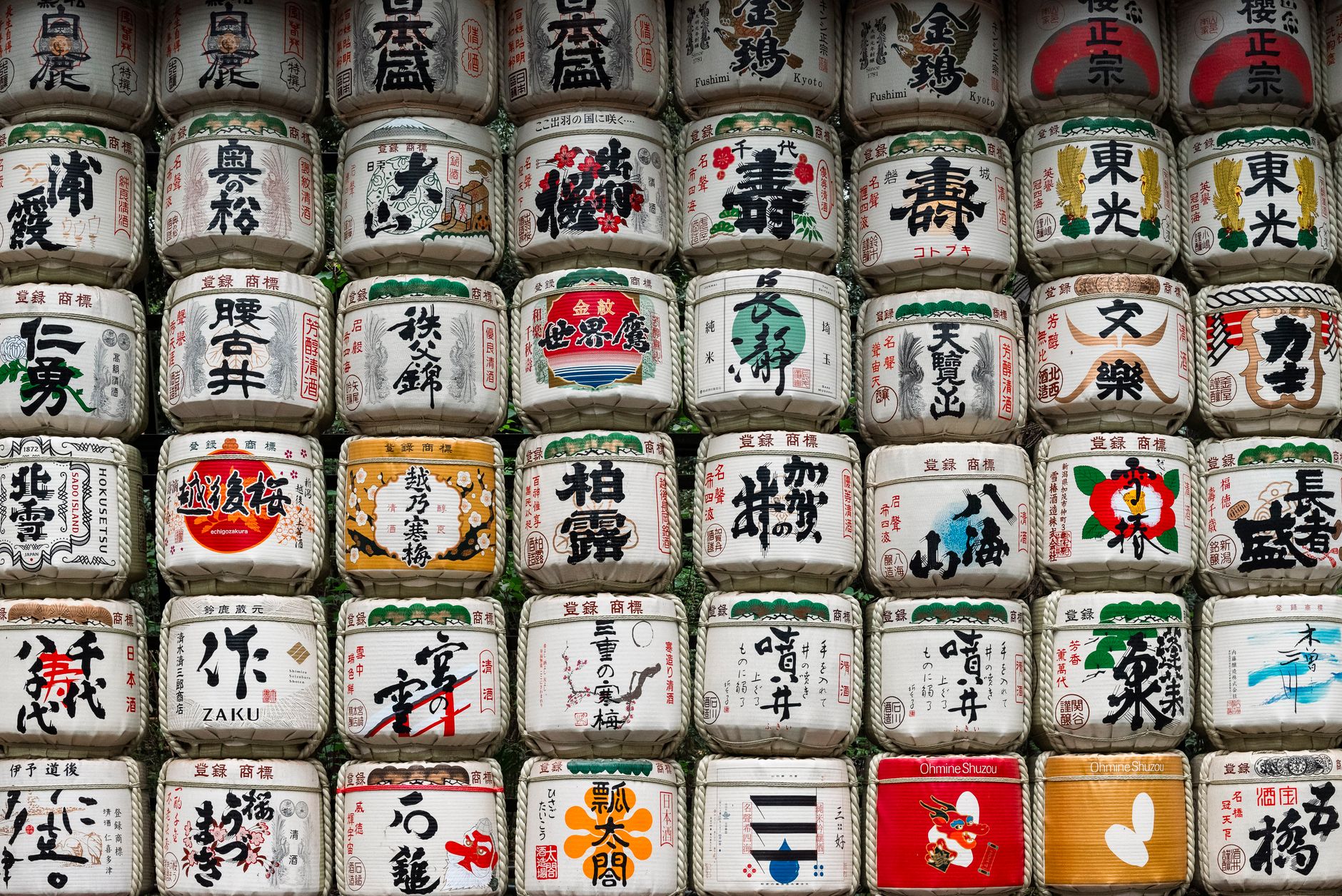
Sake, often referred to as “rice wine,” is a traditional Japanese alcoholic beverage with a rich history and distinct flavor profile. Despite its common nickname, sake is technically brewed like beer. Understanding the types of sake, their alcohol content, and how to serve them can greatly enhance your enjoyment of this unique drink.
This article will delve into what type of alcohol sake is, its alcohol by volume (ABV), and how to best serve and enjoy it. Armed with this knowledge, you’ll impress friends at dinner parties or simply expand your appreciation for this age-old beverage.
What Type of Alcohol Is Sake?
Sake is an alcoholic beverage made from fermented rice. It is often classified as a brewed beverage, akin to beer rather than wine, due to the fermentation process that transforms starches from rice into sugars and then into alcohol. The brewing involves a unique combination of multiple parallel fermentation processes, involving yeast and koji mold.
The Brewing Process of Sake
The brewing of sake involves several intricate steps that highlight its uniqueness. Here’s a simplified overview:
- Polishing: The outer layer of rice is polished away, often removing up to 70% of the grain. The degree of polishing affects the flavor and quality of the sake.
- Washing and Soaking: The polished rice is thoroughly washed to remove any impurities and then soaked to allow moisture to penetrate.
- Steaming: The soaked rice is steamed, preparing it for fermentation.
- Koji Making: Koji mold is then added to a portion of the steamed rice, which converts starches into sugars.
- Fermentation: The koji rice, along with water and yeast, is added in stages to create the main mash (known as “moromi”). This mixture ferments, producing alcohol.
- Pressing: Once fermentation is complete, the sake is pressed to separate the liquid from the rice solids.
- Filtration and Pasteurization: After pressing, the sake is usually filtered to remove any remaining impurities and then heated to prevent spoilage.
- Aging: Sake may be aged for a period to develop its flavors before being packaged.
Alcohol By Volume (ABV) of Sake
The alcohol by volume (ABV) of sake typically ranges from 15% to 20%. Most types of sake fall around 15% to 16% ABV, which is similar to many wines. This relatively moderate alcohol content, coupled with sake’s unique flavor and aroma profile, makes it a versatile beverage for various dining occasions.
Types of Sake
Sake can be divided into several categories based on factors such as the rice polishing ratio, brewing method, and additional ingredients. Below are the most common types of sake you’ll encounter:
1. Junmai
Junmai sake is made with pure rice, water, yeast, and koji mold, with no added alcohol or sugars. It typically has a full-bodied flavor and a rich umami profile.
2. Ginjo
With at least 40% of the rice polished away, Ginjo sake is often fruity and fragrant. It usually has a lighter body compared to Junmai.
3. Daiginjo
Daiginjo is a premium sake with a polishing ratio of at least 50%. It is known for its complex flavor and aroma, often presenting floral notes and a clean finish.
4. Nigori
Nigori sake is coarsely filtered, resulting in a cloudy appearance. It is often sweeter and has a creamy texture, making it a favorite among those new to sake.
5. Namazake
Namazake is unpasteurized sake that retains its fresh and vibrant qualities. It requires refrigeration and has a bright, lively flavor.
Serving Sake
How you serve sake can significantly influence its flavor and overall enjoyment. Here are some essential serving guidelines:
Temperature
Sake can be served at various temperatures: chilled, room temperature, or warmed. Here’s a quick guide to help you choose the right temperature for different types of sake:
- Chilled: Ginjo and Daiginjo sake are best enjoyed cold (around 45-50°F / 7-10°C) to bring out their delicate flavors.
- Room Temperature: Junmai sake can be enjoyed at room temperature (around 60-70°F / 15-21°C), allowing the umami to shine.
- Warm: Some Junmai types can be warmed (around 100-140°F / 38-60°C), enhancing their rich flavors and aromas.
Glassware
While sake is traditionally served in small ceramic cups called ochoko or sakazuki, you can also use wine glasses or tumblers for a modern touch. Using a clear glass can help you appreciate the sake’s color and clarity.
Pouring Technique
When pouring sake, it is customary to serve your guests first before pouring for yourself. This gesture of hospitality enhances the drinking experience.
Pairing Sake with Food
Sake’s versatility allows it to pair well with a variety of cuisines, particularly Japanese dishes. Here are a few tips for pairing sake with food:
- Sushi and Sashimi: Dry and crisp sake pairs beautifully with sushi and sashimi, enhancing the delicate flavors of the fish.
- Grilled Meats: Junmai sake complements grilled meats, such as teriyaki chicken or yakiniku, due to its rich umami properties.
- Cheese: Creamy cheeses can pair well with sweeter Nigori sake, balancing the texture and flavors.
- Spicy Dishes: Sake can soften the heat of spicy dishes, making it an excellent choice for spicy tuna rolls or Korean BBQ.
Common Mistakes When Sipping Sake
Even seasoned drinkers can make missteps when it comes to enjoying sake. Here are some common mistakes to avoid:
- Chilling Premium Sakes: Avoid chilling high-quality Ginjo or Daiginjo sake for too long, as extreme cold can mask their delicate flavors.
- Poor Storage: Store sake in a cool, dark place away from light and heat. This will preserve its flavor and quality.
- Over-pouring: Sake is typically served in small amounts. Over-pouring can lead to underappreciating its flavors.
How to Store Sake
Properly storing sake is essential to maintain its freshness. Here are some guidelines for storage:
- Refrigeration: Unpasteurized sake (Namazake) should always be kept refrigerated.
- Cool and Dark Place: Pasteurized sake can be stored in a cool, dark area, such as a pantry or cellar.
- Avoid Light: Exposure to light can spoil sake, leading to off-flavors. Store it in dark bottles whenever possible.
Making Sake Cocktails
If you’d like to get creative, sake can be transformed into delicious cocktails. Here are a couple of simple sake-based cocktails to try:
Sake Spritzer
- Ingredients:
- 3 oz sake (any type)
- 1 oz sparkling water
- Fresh fruit slices (citrus or berries)
- Instructions:
- Fill a glass with ice.
- Add sake and top with sparkling water.
- Add fresh fruit slices for garnish and stir gently.
Sake Mojito
- Ingredients:
- 3 oz sake
- 1 oz fresh lime juice
- 2 oz soda water
- Mint leaves
- 1 tsp sugar (optional)
- Instructions:
- Muddle mint leaves and sugar (if using) in a glass.
- Add sake, lime juice, and ice.
- Top with soda water and stir gently. Garnish with mint sprigs.
Conclusion
Sake is a fascinating and versatile alcoholic beverage with a unique brewing process, varied types, and a rich history. Understanding the nature of sake, its ABV, and best serving practices will enhance your appreciation and enjoyment of this traditional drink.
For a practical next step, consider exploring more about cocktails or traditional Japanese dishes that pair well with sake, such as in our sake-infused cocktail recipes or sushi preparation guides. Discover delicious concoctions like the mezcal margarita or a classic whiskey sour for your drink repertoire.