
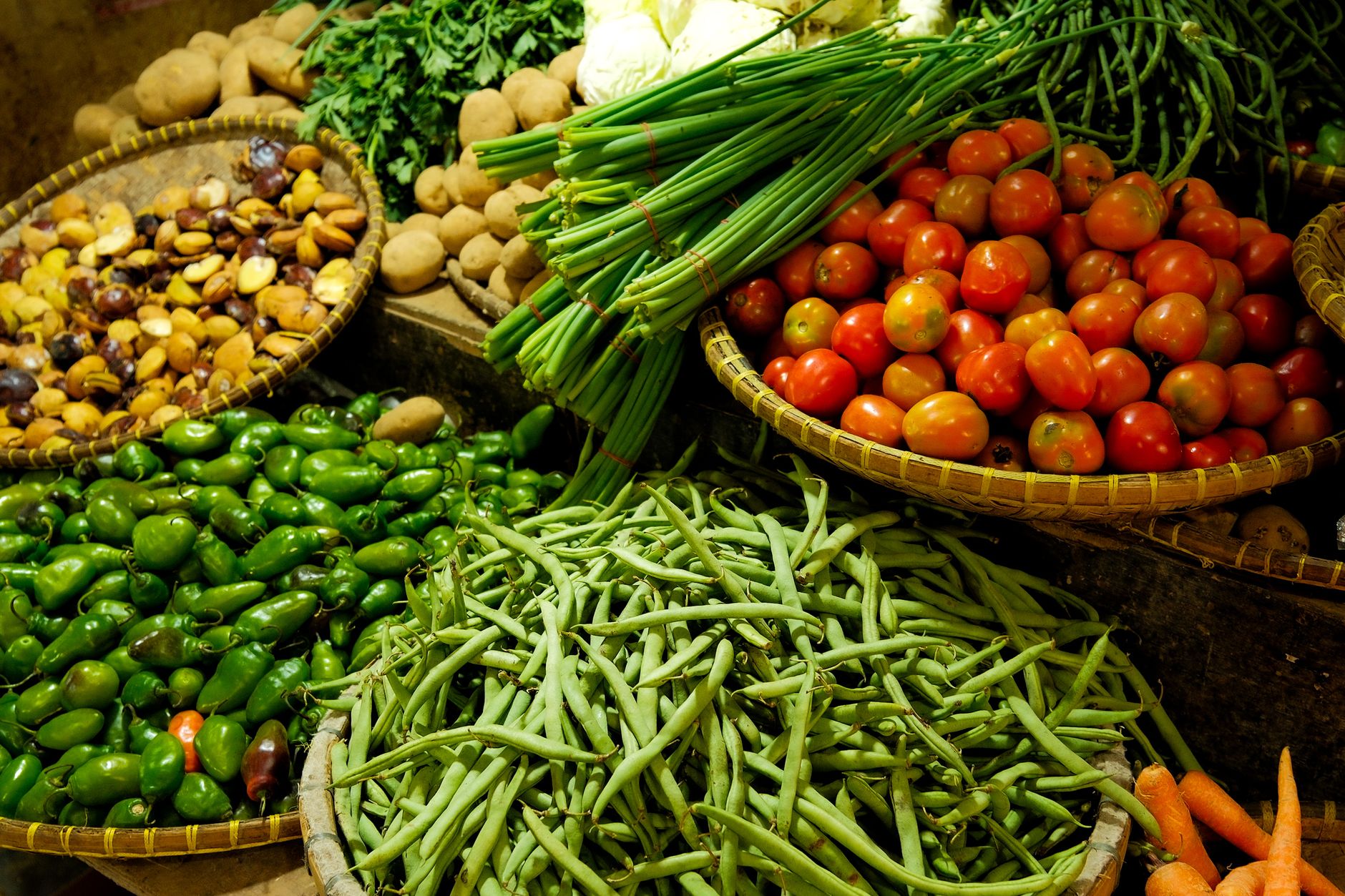
Maintaining a healthy weight often starts with diet, and incorporating the right vegetables can play a significant role in burning belly fat. Many vegetables offer unique compounds that not only support overall health but may also assist in weight loss efforts, especially around the abdominal area.
In this article, we will explore specific vegetables known for their fat-burning properties, how they contribute to reducing belly fat, and practical ways to incorporate them into your meals. Whether you’re looking to add more veggies to your plate or seeking effective weight management strategies, this guide is here to help.
What Vegetables Burn Belly Fat?
Several vegetables are believed to help in burning belly fat due to their low calorie content, high fiber, and nutrient density. Key players include leafy greens, cruciferous vegetables, and others packed with antioxidants. Incorporating these vegetables into your diet can help stimulate metabolism, improve digestion, and decrease inflammation.
Key Vegetables and Their Benefits
Here are some vegetables that are particularly effective in burning belly fat, along with their benefits and how best to enjoy them:
1. Leafy Greens
- Spinach: Rich in iron and potassium, spinach helps in muscle building while being low in calories. Its fiber content also aids digestion, keeping you satisfied for longer.
- Kale: This superfood is high in vitamin K and antioxidants. Kale’s high fiber content keeps you feeling full and contributes to fat burning.
- Swiss Chard: Another great source of fiber, Swiss chard helps in stabilizing blood sugar levels, potentially reducing cravings.
2. Cruciferous Vegetables
- Broccoli: Broccoli is high in fiber and contains sulforaphane, a compound that enhances metabolism and fat burning. It can be eaten steamed, roasted, or even raw in salads.
- Cauliflower: Low in calories and high in fiber, cauliflower can substitute high-carb foods like rice and potatoes, allowing you to enjoy familiar flavors without the added calories.
- Brussels Sprouts: These little cabbages are rich in antioxidants and fiber, promoting a healthy gut, which is crucial for effective weight management.
3. Peppers
- Bell Peppers: All varieties of bell peppers are luscious in flavor and vitamin C, which helps to regulate fat storage in the body. They can be used in various dishes or eaten raw.
- Chili Peppers: Spicy foods tend to raise metabolism, and chili peppers contain capsaicin, which is known to promote fat burning and may reduce hunger.
4. Cucumbers
Cucumbers are primarily water, making them extremely low in calories. This high water content helps keep you hydrated and feeling full, which can help in reducing overall calorie intake. Consider incorporating cucumbers into salads or enjoying them as a refreshing snack.
5. Zucchini
Zucchini is another versatile vegetable that is low in calories but high in nutrients. Like cauliflower, zucchini can be spiralized into noodles or used in stir-fries to create satisfying dishes without excess calories.
Vegetables that Boost Metabolism and Reduce Inflammation
In addition to the above vegetables, there are others known to boost metabolism and combat inflammation, which can also contribute to fat loss.
6. Garlic
Garlic has numerous health benefits, including the ability to fight inflammation and improve immune function. Its unique compounds are thought to enhance metabolic activity, making it a great addition to various cuisines.
7. Asparagus
Asparagus acts as a natural diuretic, helping to reduce water weight. It’s also rich in fiber and contains essential vitamins and minerals that support overall health. Try grilling or roasting asparagus as a side dish.
8. Onions
Onions not only add flavor to dishes but also contain flavonoids that may help reduce inflammation and assist in fat loss. They can be easily incorporated into salads, soups, or savory dishes.
How to Incorporate These Vegetables into Your Meals
Incorporating fat-burning vegetables into your meals can be simple and enjoyable. Here are some effective strategies:
Meal Planning
- Create a weekly meal plan that includes a variety of these vegetables to ensure you get different nutrients throughout the week.
- Batch-cook larger portions of steamed or roasted veggies that can be added to salads, wraps, or served as sides during the week.
Cooking Techniques
- Roasting: Enhances the natural sweetness of vegetables and adds flavor. Try roasting broccoli, Brussels sprouts, or bell peppers.
- Stir-frying: Quick and effective for cooking leafy greens like spinach and kale. Use a little olive or sesame oil for added flavor.
- Blending: Use a high-speed blender to make smoothies with leafy greens and cucumbers for a refreshing and filling drink.
Creative Serving Suggestions
- Add spinach or kale to your morning smoothie along with fruits for a nutritious breakfast.
- Incorporate roasted vegetables into whole grain bowls or salads for lunch.
- Prepare a veggie-packed stir-fry for dinner, using a colorful mix of bell peppers, broccoli, and zucchini.
Common Mistakes to Avoid
While working to incorporate these vegetables into your diet, be aware of common pitfalls that may hinder your weight loss efforts.
- Overcooking: Cooking vegetables at excessive temperatures or for too long can result in nutrient loss. Aim for a tender yet crisp texture.
- Limited Variety: Eating a small selection of vegetables can lead to nutrient gaps. Rotate vegetables weekly to ensure a broad range of nutrients.
- Mixing with Heavy Dressings: Adding too much creamy dressing can negate the health benefits of your salads. Opt for light vinaigrettes or lemon juice.
Storage Tips for Fresh Vegetables
Proper storage of vegetables is crucial for maintaining their freshness and nutritional value. Here are essential tips:
- Keep leafy greens in a clean container or bag with a paper towel to absorb excess moisture.
- Store cruciferous vegetables like broccoli and cauliflower in a perforated plastic bag to allow air circulation.
- Peppers and cucumbers can be refrigerated in their original packaging or stored in a crisper drawer.
Freezing Vegetables
If you have excess vegetables or wish to prepare them in advance, consider freezing. Wash, chop, and blanch vegetables like spinach, broccoli, and zucchini before freezing to preserve texture and nutrients. Always label and date your freezer bags for easy identification.
Summary of Key Takeaways
Incorporating the right vegetables into your diet can significantly impact your weight loss journey, particularly when targeting belly fat. Emphasizing leafy greens, cruciferous vegetables, and metabolism-boosting options like chili peppers can create filling, nutritious meals that support your health and wellness goals.
Whether through meal planning, cooking techniques, or creative serving suggestions, there are countless ways to enjoy these vegetables. Avoid common pitfalls, and ensure you store them properly to retain freshness and nutrition.
Ready to take your meals to the next level? Explore how to effectively incorporate vegetables into your diet with tips on what to eat to lose belly fat or try the vibrant hibachi vegetables recipe for a delicious side that packs a nutritious punch.