
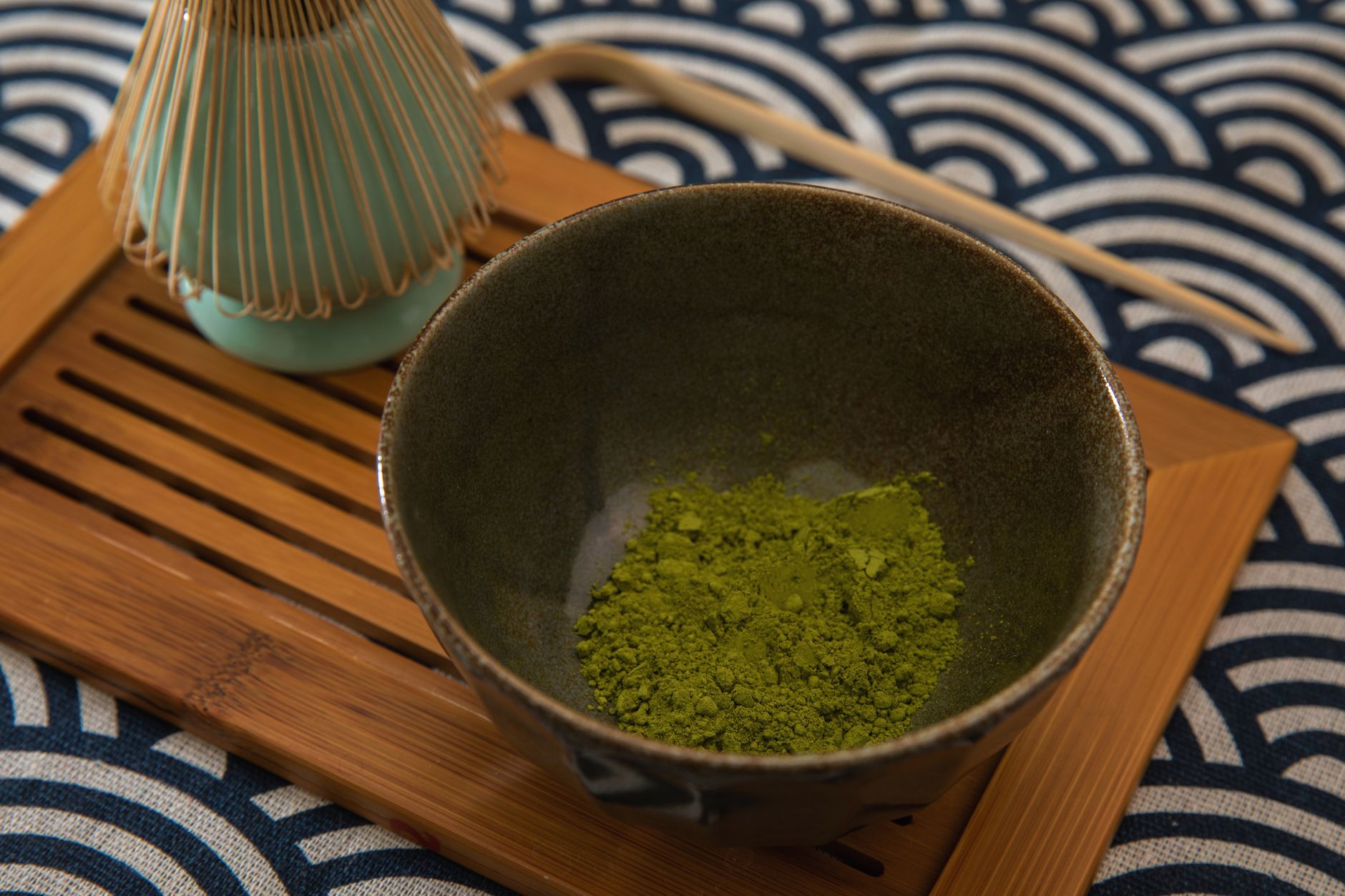
Matcha is a finely ground powder made from specially grown and processed green tea leaves. It offers a unique flavor profile and vibrant color that awaken the senses, making it a favorite in beverages, desserts, and savory dishes. This article explores the ingredients, flavor, and ways to serve matcha, while providing a detailed understanding of this versatile ingredient.
From its origins in East Asia to its rise in popularity worldwide, matcha has become synonymous with health and indulgence. Whether you’re a seasoned matcha lover or a curious beginner, understanding what is in matcha will help you appreciate its distinctiveness and versatility in the kitchen.
What Is in Matcha?
Matcha consists primarily of powdered green tea leaves from the Camellia sinensis plant. The production of matcha involves several steps, including shade-growing, harvesting, steaming, drying, and grinding. The result is a vibrant green powder packed with flavor, nutrients, and antioxidants.
Ingredients in Matcha
The main ingredient in matcha is the green tea leaf, but there are several factors that contribute to its unique properties and benefits:
- Green Tea Leaves: The leaves are shaded from sunlight weeks before harvest. This process boosts chlorophyll production, contributing to the rich green color and enhancing the flavor.
- Catnip: While often overlooked, the quality of the tea plant and the cultivation methods impact the leaf’s chemical composition, including amino acids and antioxidants.
- Antioxidants: Matcha is particularly high in catechins, a type of antioxidant that is linked to numerous health benefits.
- Amino Acids: The two primary amino acids in matcha are L-theanine and arginine. L-theanine is known for its calming effects, promoting relaxation without drowsiness.
- Caffeine: Matcha contains caffeine, approximately one-third the amount found in coffee, providing a more prolonged energy boost without the jitters.
Understanding the Flavor of Matcha
Matcha boasts a complex flavor profile that can vary depending on its origin, processing, and grade. Here are the key flavor notes typically found in matcha:
- Umami: This savory taste comes from the high levels of amino acids, primarily L-theanine, which adds depth to matcha’s flavor.
- Bitter: A slight astringency is present, especially in lower grades. Higher-quality matcha has a more pleasant bitterness that balances the sweetness.
- Sweet: High-grade matcha often has a natural sweetness that develops through careful processing. It should leave a subtle sweetness on the palate.
- Vegetal: The fresh, grassy notes are reminiscent of other green teas, adding a vibrant taste that refers to the unprocessed leaves.
How to Serve Matcha
Matcha can be enjoyed in various forms, from traditional teas to modern recipes. Understanding how to prepare and serve it is crucial for accomplishing the desired taste. Here’s a guide on how to incorporate matcha into your meals:
1. Traditional Matcha Tea
To prepare traditional matcha tea, follow these steps:
- Ingredients:
- 1-2 teaspoons matcha powder
- 2 ounces hot water (not boiling, around 175°F or 80°C)
- Place the matcha powder in a bowl or matcha whisking bowl (chawan).
- Add hot water gradually over the matcha.
- Using a bamboo whisk (chasen), whisk vigorously in a circular motion until frothy and evenly mixed.
- Serve immediately in a small bowl or cup.
2. Matcha Lattes
Matcha lattes are a delicious way to enjoy matcha, combining its flavors with creamy milk. Here’s how to make one:
- Ingredients:
- 1-2 teaspoons matcha powder
- 2 ounces hot water (175°F or 80°C)
- 6-8 ounces milk (dairy or plant-based)
- Sweetener to taste (optional)
- Follow the same initial steps as in traditional matcha tea to prepare the matcha.
- Heat the milk until steaming but not boiling, then froth if desired.
- Combine the matcha and milk, whisking gently to blend. Sweeten to your liking.
- Serve in a glass or cup, optionally topped with a sprinkle of matcha powder or cinnamon.
3. Baking with Matcha
Matcha can add unique flavor and color to baked goods. Here’s a simple way to incorporate matcha into desserts:
- Ingredients:
- 1 cup all-purpose flour
- 2 teaspoons matcha powder
- 1/2 cup sugar
- 1/2 cup butter, softened
- 2 eggs
- 1 teaspoon vanilla extract
- 1/2 teaspoon baking powder
- 1/4 teaspoon salt
- Preheat the oven to 350°F (175°C) and grease a baking pan.
- In a bowl, cream together the butter and sugar until light and fluffy.
- Add the eggs one at a time, mixing well after each addition.
- In another bowl, combine the flour, matcha powder, baking powder, and salt; gradually add to the creamed mixture.
- Stir in the vanilla extract and mix until just combined.
- Pour into the prepared pan and bake for 20-25 minutes or until a toothpick comes out clean.
4. Matcha Smoothies
A refreshing way to enjoy matcha is by adding it to smoothies. Here’s a quick recipe:
- Ingredients:
- 1 teaspoon matcha powder
- 1 banana
- 1 cup spinach (optional)
- 1 cup milk or a milk alternative
- Optional add-ins: yogurt, sweetener, or protein powder
- In a blender, add all ingredients and blend until smooth.
- Taste and adjust sweetness or thickness if needed by adding more liquid.
- Serve immediately in a glass.
Practical Tips for Using Matcha
Incorporating matcha into your cooking and baking can be a delightful experience. Here are some practical tips to make the most of this unique ingredient:
- Quality Matters: Invest in high-quality matcha for the best flavor and benefits. Ceremonial-grade matcha is recommended for drinking, while culinary-grade is suitable for baking.
- Storage: Store matcha powder in an airtight container in a cool, dark place. This helps preserve its flavor and nutritional properties.
- Don’t Overheat: When making matcha tea or lattes, avoid boiling water as it can scorch the leaves and lead to a bitter taste.
- Experiment: Feel free to add matcha to various recipes, from savory dishes like noodles to sweet treats like cakes and ice creams.
Common Mistakes to Avoid
When working with matcha, it’s easy to make a few missteps. Here are some common mistakes and how to troubleshoot them:
- Using Too Much Matcha: While matcha is flavorful, using too much can make your drink or dish overly bitter. Start with small amounts and adjust to taste.
- Not Sifting the Matcha: Failing to sift matcha powder before use can lead to clumps in your preparation. Always sift to ensure a smooth consistency.
- Poor Quality Water: Using chlorinated or poor-quality water can affect the taste. Use filtered water for the best results.
- Ignoring the Temperature: Water that is too hot can ruin the flavor. Aim for around 175°F (80°C) for optimal results.
Serving Suggestions for Matcha
Matcha can be served in various ways that enhance its flavor and presentation:
- Garnish: Consider garnishing lattes and desserts with additional matcha powder, edible flowers, or whipped cream for visual appeal.
- Pairing: Matcha pairs well with flavors like coconut, vanilla, chocolate, and citrus. Experiment with combinations to find your favorite.
- Cooling Matcha: Iced matcha lattes or smoothies are perfect for hot days. Blend matcha with ice and enjoy a refreshing treat.
Make-Ahead Tips for Matcha Recipes
Many matcha recipes can be prepped ahead of time. Here are some suggestions:
- Pre-measured Matcha: Measure and sift matcha powder ahead of time for quick preparation.
- Batch Cooking: Make a larger quantity of matcha desserts, such as cakes or cookies, and freeze them for later enjoyment.
- Matcha Smoothie Packs: Pre-portion smoothie ingredients into bags and freeze, so you can quickly blend a nutritious drink on busy mornings.
How to Choose the Right Matcha
When selecting matcha, consider the following factors to ensure you choose the best quality:
- Color: Look for vibrant green matcha. Dull or yellowed powder indicates lower quality.
- Texture: Matcha should feel velvety soft, not gritty or grainy.
- Aroma: Fresh matcha has a grassy, sweet aroma. If it smells stale or off, avoid it.
- Origin: Japanese matcha, especially from Uji or Nishio, is often considered superior due to traditional growing methods.
Storing Matcha for Maximum Freshness
Proper storage of matcha is crucial to maintaining its quality. Here are tips for storing matcha:
- Airtight Container: Store matcha in an airtight container to protect it from moisture and air exposure.
- Cool Environment: Keep matcha in a cool, dark place, such as a pantry or refrigerator, to prevent oxidation.
- Consume Quickly: Try to use matcha within a few weeks or months after opening to enjoy its peak flavor.
Exploring the wonderful world of matcha opens up numerous culinary possibilities, whether you’re enjoying a simple cup of tea or experimenting with matcha-infused treats. With its distinct flavor, versatility, and potential health benefits, matcha is an ingredient worth incorporating into your cooking.
For delicious ways to use matcha, check out these recipes: Matcha Tiramisu and Strawberry Matcha Recipe.