
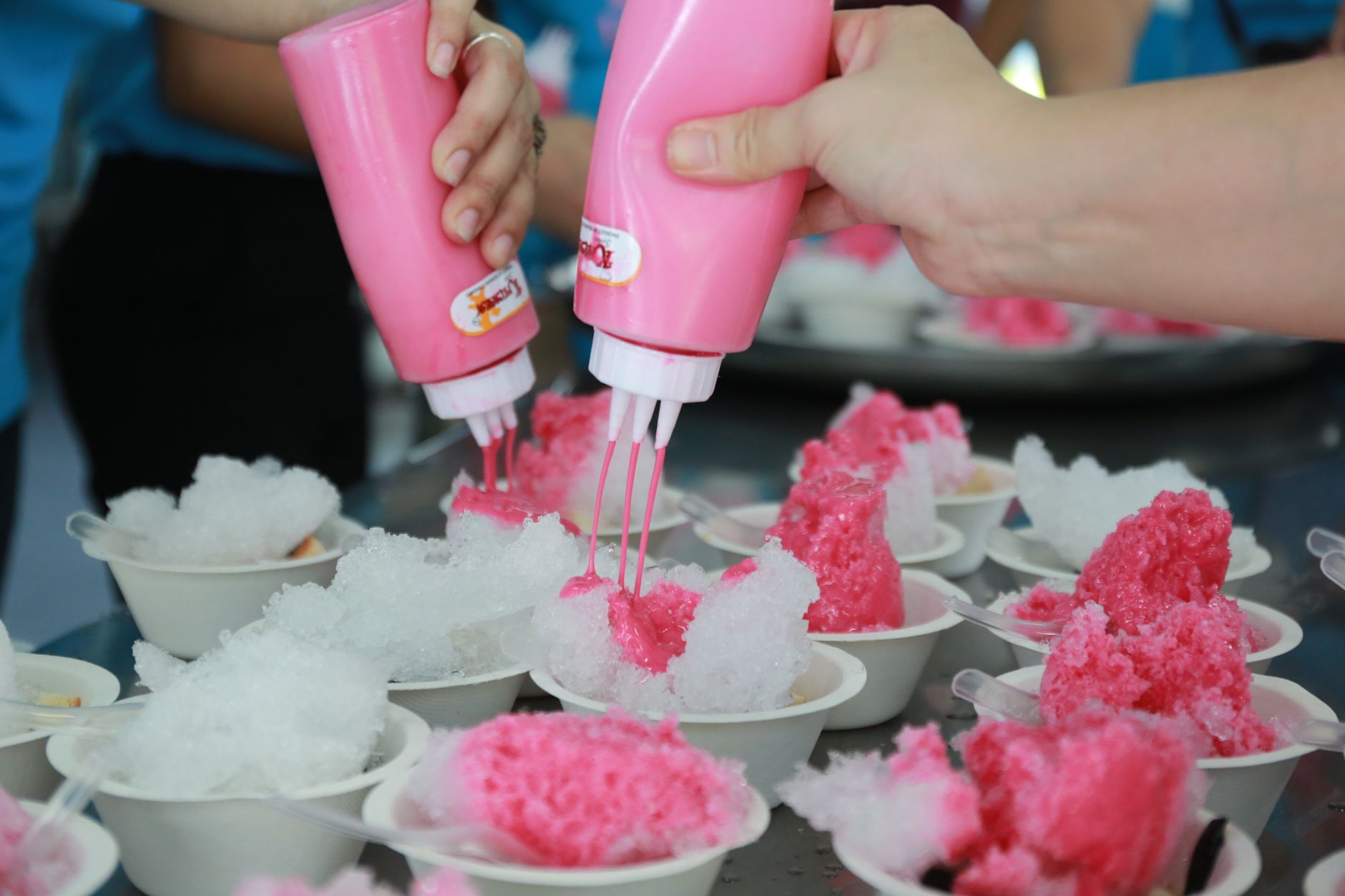
Kakigori is a delightful Japanese dessert made from finely shaved ice, known for its refreshing texture and vibrant flavors. Traditional kakigori is often enjoyed as a summer treat, but its adaptability allows it to be enjoyed all year round. This guide will explore the ingredients, flavors, and serving suggestions for kakigori, along with variations that you can try at home.
With its fluffy texture and sweet toppings, kakigori is not only a dessert but also a playful canvas for creativity. This article will provide valuable insights into making and serving kakigori, helping you understand this unique and tasty treat.
What Is Kakigori?
Kakigori, also known as “shaved ice,” is a popular Japanese dessert that consists of finely shaved ice topped with syrup, fruit, and other flavorful ingredients. The process of making kakigori involves using a special machine or tool to create delicate, fluffy ice flakes that melt in your mouth. Its origins can be traced back to the Heian period, and over the centuries, it has evolved into a beloved summertime snack enjoyed by people of all ages.
Ingredients Used in Kakigori
The key to a delicious kakigori lies in its ingredients, which can vary greatly. Here are the essential elements:
- Ice: The foundation of kakigori is finely shaved ice. Using block ice that is frozen solid ensures the best texture when shaved.
- Flavored Syrups: Commonly used syrups include matcha (green tea), strawberry, green apple, sweetened condensed milk, and mango. These syrups are both flavorful and vibrant in color.
- Toppings: Various toppings can be added, including sweet red bean paste (anko), fruits (like strawberries, peaches, or kiwi), mochi, and even ice cream. Each topping can enhance the dessert’s flavor and texture.
- Sweeteners: Many recipes call for additional sweeteners, such as sugar or honey, to enhance the syrup’s flavor.
Flavor Profiles of Kakigori
The flavors of kakigori largely depend on the syrups and toppings you choose. Here are some popular flavors:
- Traditional Syrups: These usually consist of a simple syrup base flavored with fruits or matcha. Common flavors include strawberry, melon, and green tea, each imparting a unique taste that complements the ice.
- Fruit Purees: Fresh fruit purees can be used for a more natural flavor. These purees are often slightly sweetened and can be poured over the shaved ice.
- Condensed Milk: Adding sweetened condensed milk creates a rich and creamy finish that balances the refreshing nature of the ice.
How to Serve Kakigori
Choosing the right method for serving kakigori can elevate its appeal. Here are some common styles:
Traditional Japanese Style
In Japan, kakigori is often served in a small bowl or a tall glass. The ice is piled high and shaped into a mound, with syrups generously drizzled over the top. Toppings like sweet red bean paste or fruits can be artistically arranged on the summit to create an eye-catching presentation.
Modern Variations
In recent years, many dessert shops have introduced modern kakigori variations that include creative toppings and flavors. Some popular options include:
- Ice Cream Kakigori: Combining kakigori and ice cream can create a creamy, indulgent treat.
- Tropical Flavors: Flavors such as coconut or passion fruit are becoming more popular, reflecting a broadening taste palette.
Essential Equipment for Making Kakigori
While you can purchase ready-made kakigori from dessert shops, making it at home requires specific equipment:
- Ice Shaver: A manual or electric ice shaver is essential to achieve the finely shaved ice texture characteristic of kakigori.
- Shallow Container: You’ll need a shallow container to hold your ice block. This container should allow even freezing to ensure it solidifies properly.
- Squeeze Bottles: For easy application of syrups, squeeze bottles can help drizzle the syrup conveniently over the ice.
Step-by-Step Kakigori Recipe
Making kakigori at home is straightforward. Here’s a basic recipe you can follow to create this delightful dessert:
Yield:
This recipe yields about 4 servings.
Preparation Time:
Preparation time is around 15 minutes, plus freezing time for the ice blocks.
Total Time:
The total time will vary depending on your freezing time but expect about 3-4 hours for solidifying the ice.
Ingredients:
- 1 block of solid ice (approx. 1 liter of water)
- 1 cup flavored syrup of choice (such as strawberry, green tea, or mango)
- Sweetened condensed milk, for drizzling (optional)
- Fresh fruit for garnish (optional)
- Sweet red bean paste, for garnish (optional)
Method:
- Prepare the Ice: Fill a shallow container with water and freeze it until completely solid, approximately 3-4 hours.
- Shave the Ice: Once frozen, remove the ice block from the container and place it in your ice shaver. Begin shaving until you have a fluffy mound of ice.
- Serve the Ice: Gently pack the shaved ice into serving bowls or glasses, shaping it into a mound. Aim for a height of about 5 inches.
- Drizzle with Syrup: Generously drizzle your flavored syrup over the top of the shaved ice, allowing it to seep through the layers.
- Add Toppings: If desired, add a drizzle of sweetened condensed milk and top with fresh fruit or sweet red bean paste to enhance flavor.
- Enjoy Immediately: Serve kakigori right away, as it is best enjoyed fresh and icy.
Practical Substitutions and Variations
One of the fantastic aspects of kakigori is its versatility. Here are some substitutions and variations you might consider:
Flavors:
- Fruit Syrups: Instead of traditional fruit flavors, you can use flavored soda or even herbal infusions mixed with sugar for a unique twist.
- Matcha Alternatives: If you prefer, replace matcha syrup with other powders, such as cocoa or turmeric, to create different flavor profiles.
Toppings:
- Innovative Toppings: Instead of sweet red bean paste, consider using yogurt, granola, or even caramel sauce for a different texture and taste.
- Dairy-Free Options: Use coconut milk or almond milk as a substitute for condensed milk to cater to dietary preferences.
Common Mistakes When Making Kakigori
While kakigori is simple to make, here are some common pitfalls to avoid:
- Using Improper Ice: Ensure you use block ice; using crushed ice will not yield the fluffy texture necessary for kakigori.
- Overdoing the Syrup: While it may be tempting to use a lot of syrup, start with a little and add more to taste, as too much can overpower the dish.
- Letting Ice Sit Too Long: Serve kakigori immediately after preparing to prevent the ice from melting and losing its desired texture.
Serving Suggestions
Kakigori can be enjoyed on its own or paired with other treats. Here are some serving suggestions to elevate your kakigori experience:
- Pair with Mochi: Serve alongside mochi for a chewy contrast to the fluffy ice.
- Team with Tea: Offer a light tea, such as green tea or jasmine tea, to balance the sweetness.
- Buffet Style:* Create a “kakigori bar” allowing guests to customize their own dessert with various syrups and toppings.
Storage and Reheating Guidance
Kakigori is best enjoyed fresh, as the ice will melt quickly once prepared. However, if you have leftover syrup or toppings, store them in an airtight container in the refrigerator for up to one week. Do not store the kakigori itself in the fridge, as ice does not re-solidify well and will lose its quality.
Conclusion
Kakigori is a versatile dessert that allows for creativity and exploration of flavors. Whether you prefer traditional syrup options or modern twists with toppings, it’s a delightful treat perfect for hot summer days. Try your hand at making kakigori at home, and don’t hesitate to experiment with various flavors and textures to create your signature version of this elegant shaved ice dessert.
For more delicious recipes and food guides, explore our articles on Hwachae and Mango Sago. Enjoy your culinary adventures!