
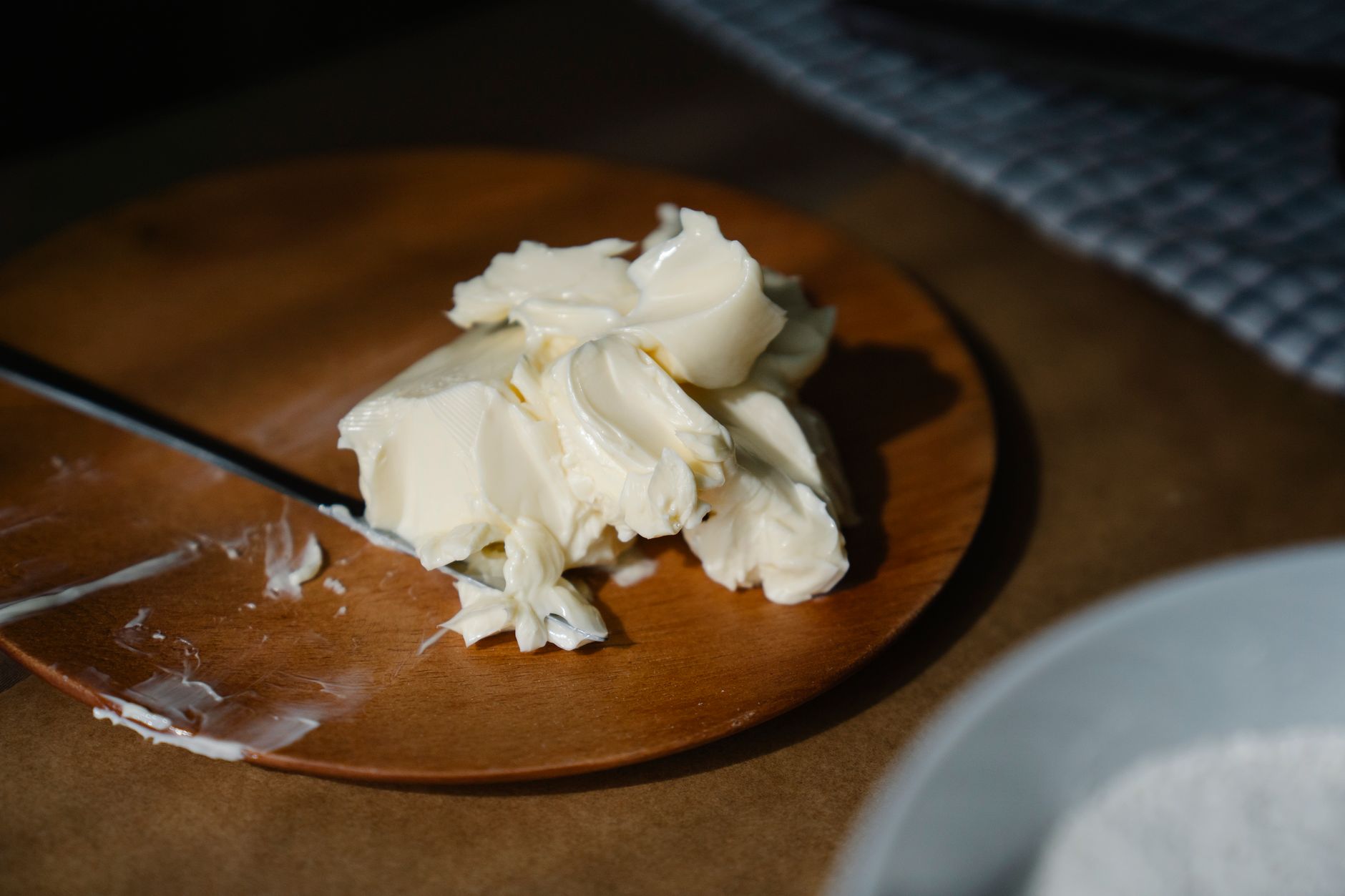
Margarine, a common kitchen staple, is often used as a substitute for butter in various recipes and cooking methods. While it can be a versatile ingredient, many people wonder about its shelf life and whether it can go bad over time. Understanding how to store margarine properly and recognizing the signs of spoilage is essential for maximizing its freshness and usability.
This article will explore the shelf life of margarine, proper storage techniques, and indications that it has spoiled, helping you make informed choices when using this ingredient in your cooking.
Can Margarine Go Bad?
Yes, margarine can go bad. While it has a relatively long shelf life compared to many other dairy products, it can spoil if not stored correctly. Factors like exposure to heat, light, and air can accelerate its degradation, leading to changes in flavor and texture.
Understanding the Shelf Life of Margarine
The shelf life of margarine varies based on its type and how it is stored. Generally, unopened margarine can last for about 6 to 9 months past its printed expiration date when stored properly. Once opened, it typically remains good for about 3 to 4 months, provided you keep it in the refrigerator.
Different types of margarine may have varying shelf lives. For example, stick margarine often lasts longer than spreadable margarine due to its lower water content. Always check the manufacturers’ guidelines for specific shelf life recommendations.
Types of Margarine
Understanding the different types of margarine can help you gauge their freshness better.
- Stick Margarine: This is the most common form, usually sold in sticks. It tends to have a longer shelf life.
- Squeeze Margarine: Often used for spreading directly on food, this type may contain preservatives that can extend its shelf life.
- Spreadable Margarine: Made with a blend of oils and water, this type usually has a shorter shelf life due to higher moisture content.
- Dairy-Free Margarine: Vegan or dairy-free options may vary in shelf life, so check labels for specifics.
Proper Storage Techniques for Margarine
To ensure your margarine stays fresh for as long as possible, following the right storage techniques is crucial.
Refrigeration
Most margarine should be stored in the refrigerator. Keeping it in the cold environment helps inhibit bacterial growth and slows down spoilage. Ideally, keep margarine in its original packaging to limit exposure to air.
Freezing Margarine
If you have an excess of margarine or want to extend its shelf life further, you can freeze it. Here’s how:
- Wrap the margarine tightly in plastic wrap or aluminum foil.
- Place it in an airtight container or freezer bag to protect it from freezer burn.
- Label the container with the freezing date.
Frozen margarine can last for up to a year but may suffer texture changes upon thawing. It is best used for cooking rather than spreading after thawing.
Avoiding Contamination
Contamination can occur by using dirty utensils or leaving margarine out of the fridge for extended periods. Always use clean utensils when scooping margarine, and return it to the refrigerator promptly after use.
Signs That Margarine Has Gone Bad
Recognizing the signs of spoiled margarine can save you from unpleasant experiences in cooking or baking. Here are common indicators that margarine may have gone bad:
Change in Color
Fresh margarine typically has a uniform yellow color. If you notice dark spots, discoloration, or a significant change in hue, it may indicate spoilage.
Off or Rancid Odor
Normal margarine has a mild, creamy smell. If it develops a sour or rancid odor, it is no longer good for consumption.
Weird Texture
Fresh margarine should be smooth and spreadable. If it becomes grainy, oily, or separates, it is a sign that it has spoiled and should be discarded.
Unpleasant Taste
If you’re unsure about the quality, a small taste test can help determine if margarine has gone bad. If it tastes off, sour, or rancid, it’s best to throw it away.
Using Old Margarine
Sometimes, you may come across a partially used container of margarine that seems okay. Here are some guidelines on whether you can still use it:
One Month Past Expiration
If margarine is only one month past its expiration date and shows no signs of spoilage, it may still be okay to use. Always perform a smell and taste test before cooking with it.
Presence of Ice Crystals
If you’ve frozen margarine and notice ice crystals forming, it’s generally still usable. However, the texture may be affected, making it less desirable for spreading.
Practical Substitutions for Margarine
If you find your margarine has gone bad, or if you’re looking for alternatives, there are several options available:
- Butter: A straightforward substitution, though it contains dairy and may not work for vegan recipes.
- Olive Oil: Excellent for cooking, though it may not be suitable for baking as a direct substitute.
- Vegetable Oil: Use with caution, as it can alter the final texture of certain baked goods.
- Coconut Oil: A solid fat option, especially for vegan baking, but be wary of its flavor in certain recipes.
- Applesauce: In baking, unsweetened applesauce can replace margarine to reduce fat content.
Creative Ways to Use Margarine
Margarine can enhance both savory and sweet dishes. Here are several practical applications:
Baking
Margarine can be used in cookie, cake, and pastry recipes as a butter substitute. It helps impart a tender crumb and adds moisture.
Cooking
Use margarine for sautéing vegetables, frying eggs, or greasing pans. It adds a rich flavor to dishes while maintaining a lower price point than butter.
Spreading and Topping
Margarine makes an excellent spread for toast, pancakes, and waffles. For added flavor, consider mixing in herbs or spices.
Conclusion
Margarine can certainly go bad, but with proper storage techniques and a keen eye for spoilage signs, it remains a handy ingredient in the kitchen. Whether you’re baking, cooking, or looking for alternatives, knowing how long margarine lasts and how to store it can maximize its usability and reduce waste.
For more tips on food storage, check out our guides on how long does cottage cheese last after opening or whether ghee needs to be refrigerated. Understanding these aspects will help elevate your culinary practices while ensuring food safety.