
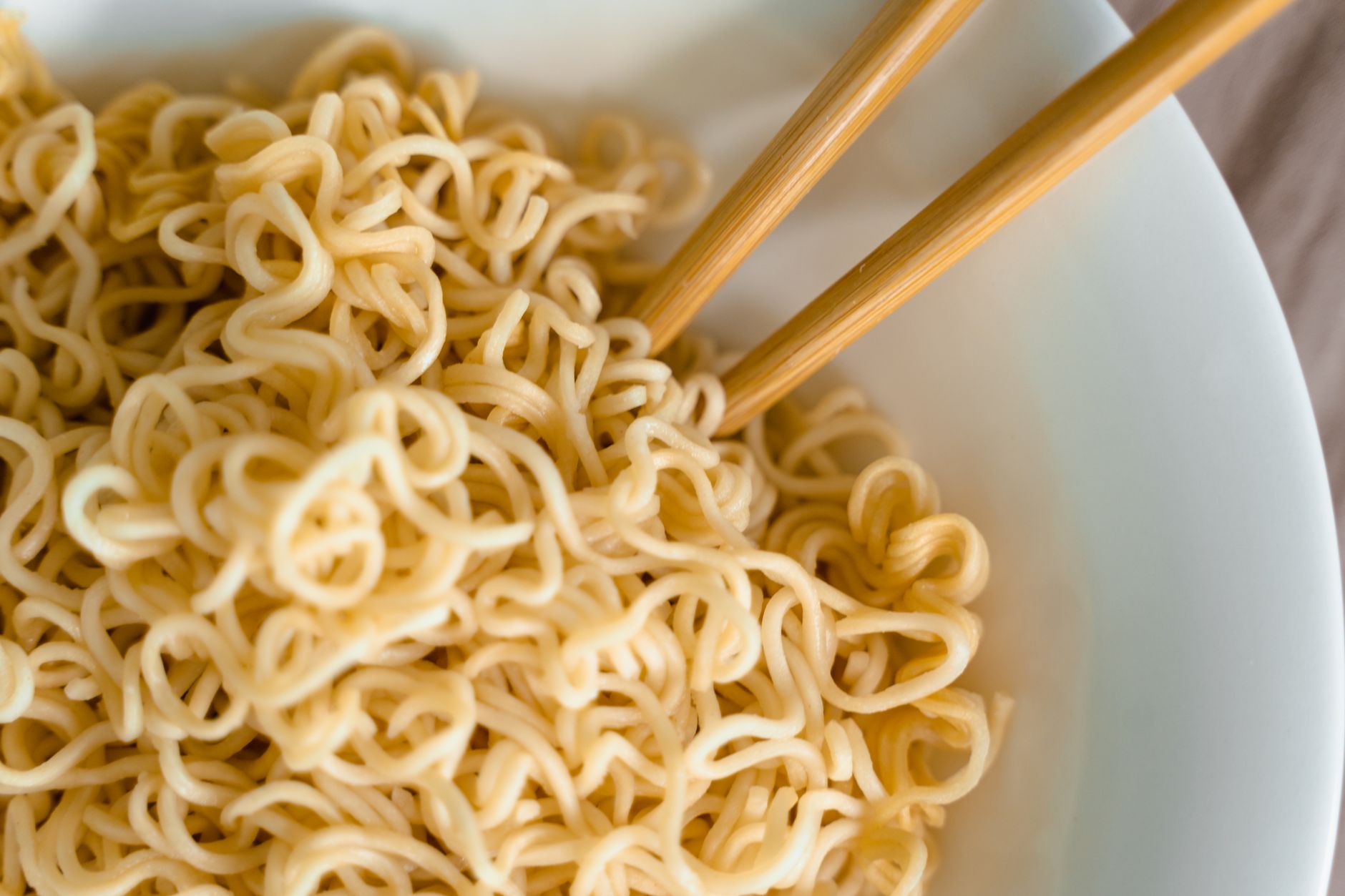
Top Ramen is a beloved instant noodle soup that provides a quick and easy meal solution. However, many wonder about its shelf life and the potential for spoilage. Understanding whether Top Ramen expires, how to store it, and recognizing the signs of spoilage can help ensure you enjoy it safely and deliciously.
This comprehensive guide will delve into the factors that affect the shelf life of Top Ramen, storage tips for extending freshness, and how to identify when your noodles have gone bad. Let’s explore everything you need to know about this convenient pantry staple.
Does Top Ramen Expire?
Yes, Top Ramen does expire, but it typically has a long shelf life when stored properly. The expiration date is usually printed on the packaging and can provide a guideline for quality. While the noodles may remain safe to eat after the expiration date, their taste and texture might deteriorate over time.
Understanding Top Ramen’s Shelf Life
The shelf life of Top Ramen can be influenced by various factors such as storage conditions, packaging, and moisture exposure. Typically, you can expect the following regarding the shelf life:
- Unopened Packages: When kept in a cool, dry place, unopened packages of Top Ramen noodles can last up to 2-3 years past the printed expiration date.
- Opened Packages: Once opened, it’s best to use the noodles within a few weeks to a month for optimal taste and texture. Storing opened packages in an airtight container can help maintain their freshness.
- Cooked Noodles: Once cooked, Top Ramen should be consumed within 3-5 days if stored in the refrigerator.
Proper Storage Techniques for Top Ramen
Optimizing the storage of Top Ramen can prolong its shelf life and freshness. Here are several useful storage tips:
1. Keep it Dry
Moisture is one of the main enemies of shelf-stable foods like Top Ramen. Always store the noodles in a cool, dry place, away from humidity, moisture, and sunlight. A pantry or cupboard is ideal for unopened packages, while opened ones should be transferred to an airtight container.
2. Use Airtight Containers
If you have opened a package of Top Ramen, sealing the noodles in an airtight container can help keep them fresh and prevent exposure to air. This will help maintain both moisture and flavor.
3. Refrigerate Cooked Ramen
If you have leftover cooked ramen, let it cool down completely before transferring it to an airtight container and placing it in the refrigerator. This will keep the noodles safe and tasting great for up to a week.
4. Monitor Temperature
Ensure that the storage area is not too hot. Extreme temperatures can affect the integrity of the noodles. A consistent room temperature is best.
5. Avoid Overpacking
When storing many packages together, do not stack them excessively to ensure good air circulation. This helps avoid heat buildup and keeps them dry.
Signs of Spoilage in Top Ramen
Identifying spoilage in Top Ramen is crucial for food safety. Here are some signs that indicate whether your noodles have gone bad:
1. Visual Changes
Examine the noodles for any discoloration, unusual clumps, or visible mold. Fresh Top Ramen should have a consistent color and texture. If you notice any change, it’s best to discard it.
2. Off Smells
Fresh ramen noodles should not have any strong odors. If the package emits an off or rancid smell, this can be an indicator that the noodles are no longer safe to eat.
3. Texture Complications
Old or expired noodles may become mushy or slimy after cooking. If the texture is off, it’s safer to throw them out.
4. Unpleasant Taste
If you notice a change in flavor after cooking, this could mean the noodles have gone bad. While a small taste of spoiled food might not cause immediate harm, consuming spoiled food can lead to unpleasant side effects.
Making the Most of Expired Top Ramen
If you discover that your Top Ramen has passed its expiration date but shows no signs of spoilage, you might still consider using it. Here are a few thoughts to keep in mind:
1. Quality Check
Always perform a quality check before cooking. If they smell or look fine, they are likely okay to eat. However, be cautious with expired products.
2. Enhance Flavor
If the noodles seem a bit stale, consider adding fresh ingredients, sauces, or spices to enhance the flavor. Fresh herbs, vegetables, and protein can reinvigorate a tired dish.
3. Cook Well
Cooking the noodles thoroughly can help eliminate minor risks, but do not rely solely on this method if the noodles show signs of spoilage.
Ways to Repurpose Stale Ramen
Should you find yourself with stale Top Ramen but unspoiled, there are numerous ways to repurpose or recycle your noodles:
1. Ramen Salad
Crumble stale ramen noodles and toss them in a salad for added crunch. Combine with fresh vegetables, nuts, and a zesty dressing for a refreshing dish.
2. Baked Ramen Cups
Use uncooked ramen as a crust for savory baked cups. Layer with cooked fillings such as eggs, cheese, and vegetables, then bake until crispy.
3. Ramen Stir-Fry
Stir-frying leftover ramen with vegetables and sauces can breathe new life into them. This method can elevate the dish and make it enjoyable again.
Conclusion
Understanding the storage and spoilage of Top Ramen is crucial for enjoying this quick meal option. By following proper storage practices, recognizing signs of spoilage, and considering ways to repurpose stale ramen, you can make the most out of this beloved noodle soup. Regularly checking your pantry can ensure you always have a delicious and safe meal on hand.
To expand your cooking knowledge, consider exploring related articles about food preservation, such as whether chia seeds go bad or the shelf life of food coloring.