
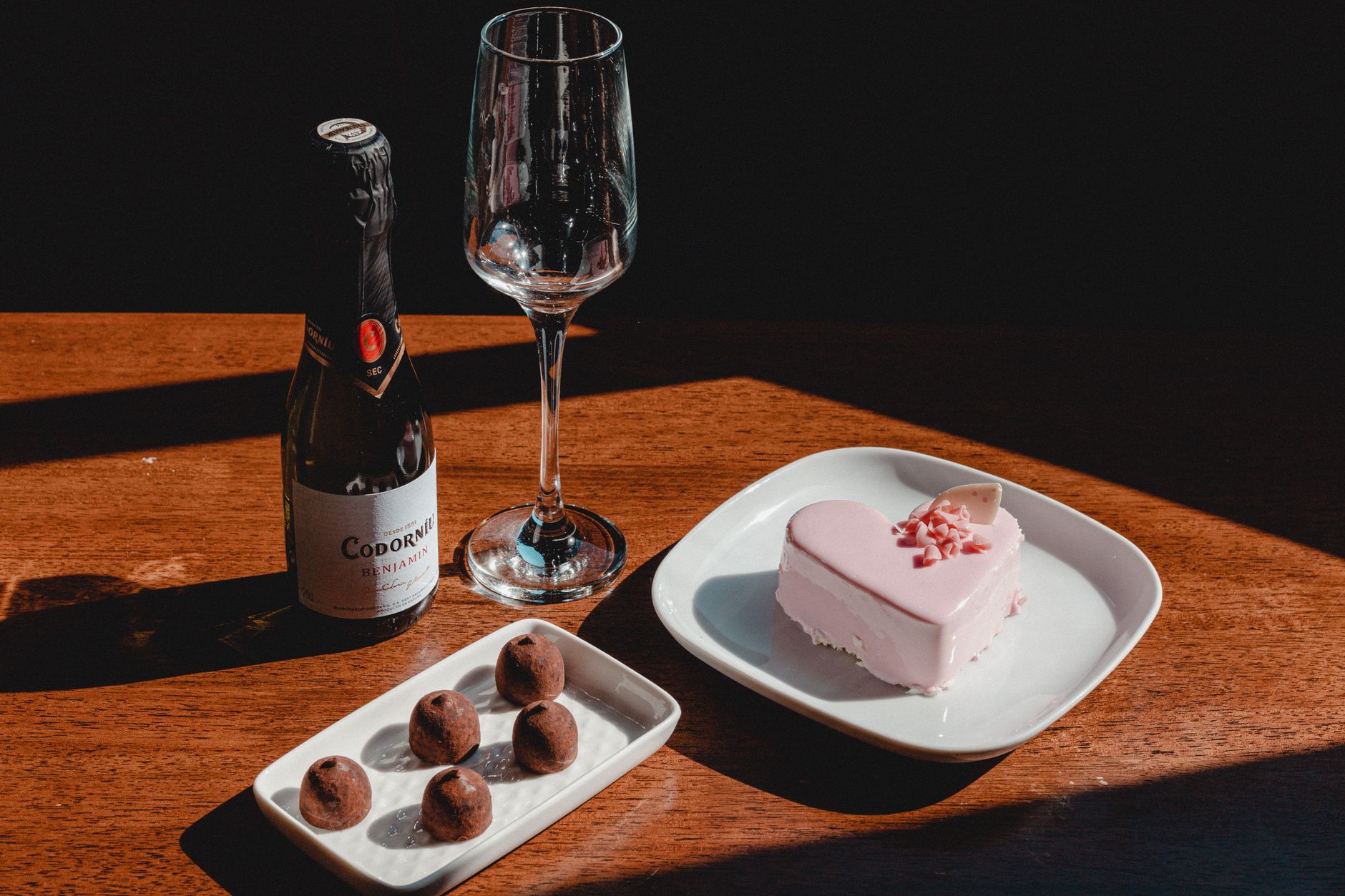
Champagne is one of the world’s most celebrated sparkling wines, known for its bubbly elegance and vibrant flavors. However, many people are curious about the sweetness levels of different Champagne varieties, especially when it comes to pairing with food or enjoying on special occasions. Understanding which Champagne is sweet can enhance your drinking experience, making it easier to choose the right bottle for your palate or event.
This article will delve into the different types of Champagne, focusing on their sweetness levels, flavors, and ideal serving suggestions. Whether you’re planning a gathering or simply looking to enjoy a drink, knowing which Champagne is sweet will provide you with a better appreciation of this iconic beverage.
Which Champagne Is Sweet?
Sweet Champagne typically falls under the category of “Doux,” which has the highest sugar content among the Champagne classifications. Other sweet variations include “Demi-Sec” and “Sec.” These Champagne types offer a variety of flavor profiles, making them perfect for a range of occasions and food pairings.
Understanding Champagne Sweetness Levels
Champagne sweetness is determined by the amount of sugar added to the wine before it is bottled. This process is known as “dosage.” The residual sugar affects not only the sweetness but also the flavor and texture. The established sweetness classifications for Champagne, from driest to sweetest, are as follows:
- Brut Nature: 0-3 g/L of sugar. Extremely dry with no added sugar.
- Extra Brut: 0-6 g/L of sugar. Very dry and crisp.
- Brut: 0-12 g/L of sugar. The most popular style, often well-balanced.
- Extra Dry: 12-17 g/L of sugar. Slightly sweeter, but still dry.
- Sec: 17-32 g/L of sugar. Noticeably sweeter than Extra Dry.
- Demi-Sec: 32-50 g/L of sugar. Sweet and rich, ideal for desserts.
- Doux: 50+ g/L of sugar. The sweetest option, often enjoyed with rich desserts.
Types of Sweet Champagne
Let’s take a closer look at the three main types of sweet Champagne: Demi-Sec, Sec, and Doux. Each variety offers unique flavors and characteristics, making them suitable for different occasions.
Demi-Sec Champagne
Demi-Sec Champagne is one of the most popular sweet styles. With a sugar content of 32-50 g/L, it strikes a balance between sweetness and acidity, making it versatile for various applications.
- Flavor Profile: Demi-Sec often features aromas of stone fruits, candied citrus, and honey. The sweetness pairs well with many desserts, ranging from fruit tarts to creamy cheesecakes.
- When to Serve: This Champagne is a fantastic choice for celebrations, especially weddings and anniversaries. It can also be served as an aperitif or paired with a cheese board featuring blue cheeses or rich soft cheeses.
Sec Champagne
Sec Champagne is less common but worth considering. With a sugar content of 17-32 g/L, it still offers sweet notes, albeit in a more subtle manner than Demi-Sec.
- Flavor Profile: Sec Champagne often displays hints of green apple, pear, and a touch of floral notes. This lighter sweetness can enhance dishes with fresh fruits or lightly spiced fare.
- When to Serve: Sec is best enjoyed during brunches or as an accompaniment to lighter desserts, including panna cotta or fruit salads.
Doux Champagne
Doux Champagne represents the apex of sweetness among Champagnes. With over 50 g/L of sugar, it is particularly rich and indulgent.
- Flavor Profile: Doux is characterized by its decadent flavors of caramel, toffee, and tropical fruits, making it distinctly luscious on the palate.
- When to Serve: This variety is ideal for pairing with rich desserts, such as chocolate mousse or crème brûlée. Additionally, it can be a delightful way to end a meal, akin to a dessert wine.
Choosing the Right Sweet Champagne
When selecting a sweet Champagne, consider a few key factors: personal taste, occasion, and food pairings. Here are some tips to guide your decision-making:
- Personal Taste: If you prefer bolder sweetness, opt for Doux. For a balanced sweetness, Demi-Sec is an excellent choice.
- Occasion: Consider the event; Doux might be perfect for celebratory dinners, while a Demi-Sec can elevate casual gatherings.
- Food Pairing: Match the Champagne type with your menu. For instance, pair Demi-Sec with fruity desserts and Doux with richer confections.
Serving Sweet Champagne
Serving Champagne correctly enhances the overall experience. Follow these guidelines to ensure you are serving sweet Champagne at its best:
- Temperature: Sweet Champagne is best served chilled at 45-50°F (7-10°C). This temperature helps to balance sweetness with acidity.
- Glassware: Use flute glasses to maintain the bubbles and showcase the drink’s elegance. You can also opt for larger tulip-shaped glasses to enhance the aromatic experience.
- Pouring: Pour gently to avoid excessive foaming. Fill the glass about one-third full to leave room for the bubbles to rise.
Food Pairing Suggestions for Sweet Champagne
Following the right food pairing can greatly enhance both the dish and the Champagne. Here are specific pairing recommendations based on the sweetness levels:
Pairing with Demi-Sec Champagne
- Fruit Desserts: Think tarts, sorbets, and fresh fruit compote. The sweetness of the Champagne complements the natural sugars in the fruits.
- Cheese: Works well with creamy cheeses, especially those with a touch of tanginess, like Brie or Camembert.
Pairing with Sec Champagne
- Lightly Spiced Foods: Consider dishes with mild spices or citrus flavors, such as shrimp ceviche.
- Light Desserts: Items like fruit salads or vanilla panna cotta resonate beautifully with the Champagne’s subtle sweetness.
Pairing with Doux Champagne
- Rich Desserts: Chocolate-based desserts, crème brûlée, or rich pastries are prime candidates.
- Cheese Dishes: Doux also pairs well with blue cheeses or desserts featuring cream and caramel.
Common Mistakes When Choosing Sweet Champagne
Choosing the right sweet Champagne can be more complicated than it seems. Here are some of the most frequent errors to avoid:
- Assuming All Sweet Champagne Are Alike: Remember that different types of sweet Champagne will have varying flavors and characteristics.
- Serving at the Wrong Temperature: Ensure your Champagne is served chilled, as warmth can accentuate sweetness and diminish the refreshing qualities.
- Pairing with Incompatible Foods: Sweet Champagne requires thoughtful pairing. Avoid overly salty or very rich dishes that may overpower or clash with its sweetness.
Exploring Sweet Champagne Producers
Familiarizing yourself with renowned producers can significantly enhance your sweet Champagne experience. Below are a few producers known for crafting exceptional sweet Champagne:
- Moët & Chandon: Their Demi-Sec offerings are popular choices, and they maintain consistent quality across their varieties.
- Veuve Clicquot: Their Demi-Sec Champagne showcases the rich, well-rounded flavors that continue to captivate enthusiasts.
- Chandon: Known for approachable styles, Chandon produces both Demi-Sec and Sec options, perfect for casual celebrations.
Storing Champagne for Optimal Freshness
Proper storage of Champagne is crucial for maintaining its flavor and quality. Here’s how to store sweet Champagne effectively:
- Temperature: Store Champagne in a cool, dark place away from sunlight and temperature fluctuations. A temperature between 45-65°F (7-18°C) is ideal.
- Position: Keep the bottles upright to prevent the cork from becoming saturated with wine. This security prevents spoilage when bottles are opened.
- Humidity: Aim for a humidity level of around 70% to keep corks moist and prevent oxidation.
Conclusion
Sweet Champagne presents a delightful option for those who enjoy a touch of sweetness in their sparkling wine. By understanding the various types of sweet Champagne and their ideal pairings, you can enhance your tasting experience and impress your guests during your next gathering. Explore Demi-Sec for versatile pairings, or indulge in a luscious Doux for a special celebration.
As you dive into the world of sweet Champagne, consider pairing it with delicious desserts or light appetizers. For further exploration of sweet wines, check out our guide on Moscato’s sweetness levels or learn how to find great substitutes for herbs like rosemary.