
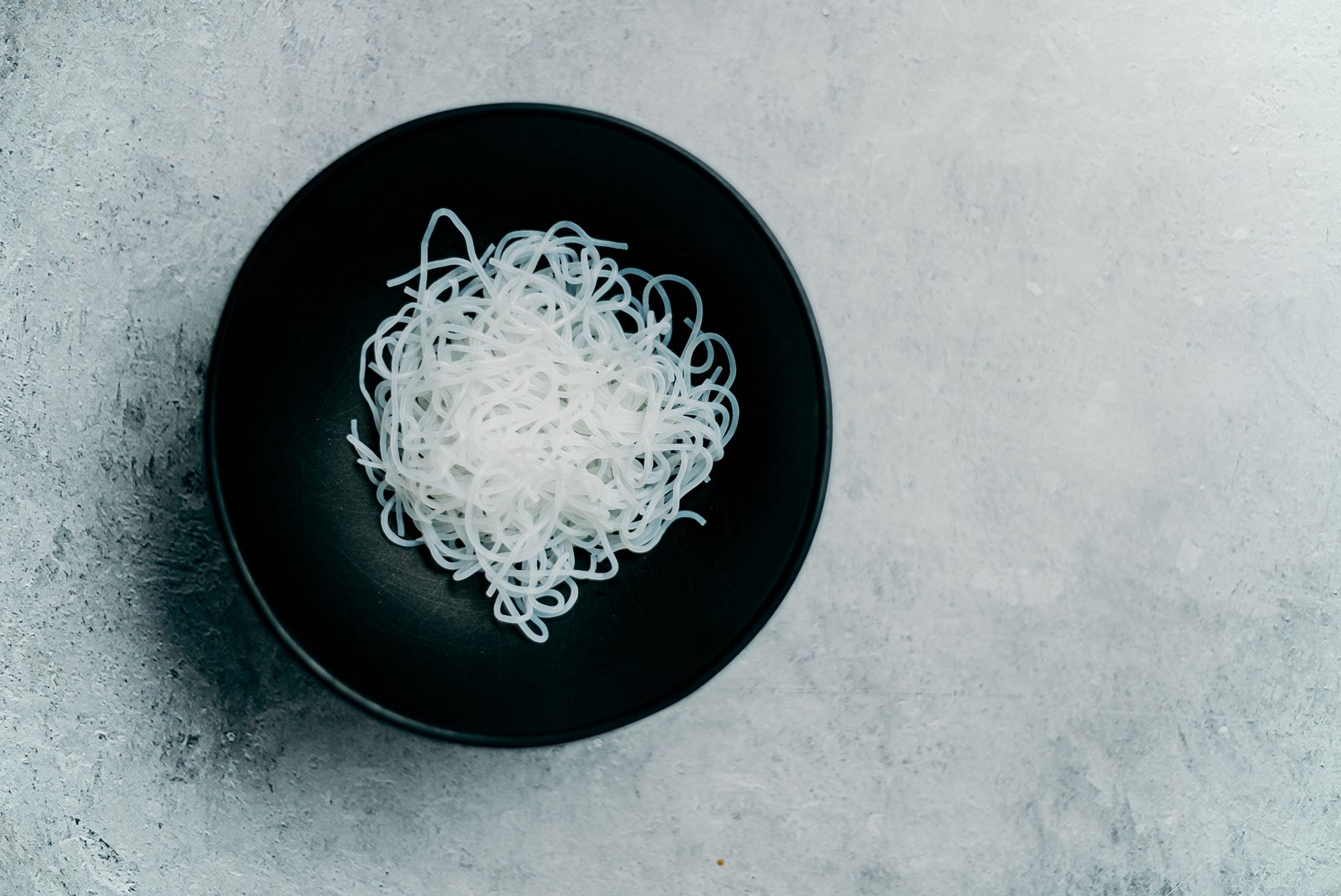
Vermicelli noodles are thin rice noodles popular in various Asian cuisines, known for their delicate texture and versatility. They absorb flavors beautifully and can be served in soups, stir-fries, or salads. Knowing how long to cook vermicelli noodles is key to achieving the perfect texture that elevates your dish.
In this article, we will explore the cooking times for vermicelli noodles, factors that affect these times, tips for achieving the right doneness, and creative ways to incorporate them into your meals. Whether you are making a refreshing noodle salad or a hearty soup, understanding how to cook vermicelli noodles will enhance your culinary skills.
How Long to Cook Vermicelli Noodles?
Cooking vermicelli noodles typically takes about 4 to 6 minutes when boiled in water. However, the exact time can vary depending on factors like the brand and thickness of the noodles. Always check the package instructions for the best results.
Types of Vermicelli Noodles
Before diving into cooking techniques, it’s essential to recognize the different types of vermicelli noodles available:
- Rice Vermicelli: Made from rice flour and water, these noodles are gluten-free and common in Southeast Asian dishes.
- Wheat Vermicelli: Made from wheat flour, they have a slightly chewier texture and are less common in Asian dishes.
- Cellophane Noodles: Also known as glass noodles, these are made from mung bean starch and turn translucent when cooked.
Understanding these various types can help tailor your cooking method and times appropriately based on your dish’s requirements.
Factors That Affect Cooking Time
Several factors can influence how long to cook vermicelli noodles:
- Thickness of Noodles: Thicker varieties may require additional cooking time.
- Soaking Method: Pre-soaking noodles can reduce overall cooking time.
- Temperature of Water: Starting with boiling water is vital; if the water is not hot enough, noodles may become mushy.
Cooking Methods for Vermicelli Noodles
There are several methods to cook vermicelli noodles. Here we will discuss the most common: boiling, soaking, and stir-frying.
Boiling Method
The boiling method is the most typical way to cook vermicelli noodles. Here’s a step-by-step guide:
- Start by bringing a large pot of water to a rolling boil. Use about 4 cups of water for every 8 ounces of vermicelli noodles.
- Add the vermicelli noodles to the boiling water. Stir gently to prevent them from sticking together.
- Cook the noodles for 4 to 6 minutes, stirring occasionally. Check the package directions for more specific cooking times.
- Once the noodles are tender but still slightly firm (al dente), drain them using a colander.
- Rinse the noodles under cold water to stop the cooking process and prevent them from getting sticky.
This method results in noodles that are soft and ready to be incorporated into your favorite dishes.
Soaking Method
The soaking method can be quicker and helps retain the noodles’ texture. This is how to do it:
- Place the vermicelli noodles in a large bowl.
- Cover the noodles with hot water and let them soak for about 10 to 15 minutes. They should become pliable but not fully cooked.
- After soaking, drain the noodles and rinse them under cold water.
- If needed, you can stir-fry them briefly or add them directly to a soup to finish cooking.
Stir-Frying Method
Stir-frying vermicelli noodles integrates them into the dish and enhances the flavor. Follow these steps:
- Begin with pre-cooked or soaked vermicelli noodles for this method.
- In a large pan or wok, heat a tablespoon of oil over medium-high heat.
- Add your choice of vegetables and proteins, cooking until done.
- Introduce the prepared vermicelli noodles into the pan. Stir-fry for 2 to 3 minutes to combine flavors and heat through.
- Add sauces or seasonings according to your dish and stir well before serving.
Tips for Perfectly Cooked Vermicelli Noodles
Achieving the perfect doneness for vermicelli noodles can elevate your dish. Here are some handy tips:
- Keep an Eye on Cooking Time: Vermicelli noodles can quickly turn from perfectly cooked to mushy. Monitor the cooking time closely.
- Taste Test: A couple of minutes before the predicted cooking time, taste a noodle. This helps gauge doneness accurately.
- Don’t Crowd the Pot: Ensure there is enough water and space for the noodles to move around; overcrowding can cause uneven cooking.
- Reserve Some Water: Before draining the noodles, reserve a cup of the cooking water. This can help loosen sauces later.
Common Mistakes When Cooking Vermicelli Noodles
Even experienced cooks can make mistakes. Here are some common pitfalls to avoid:
- Overcooking: This is perhaps the biggest issue. Always check undercooked noodles before resigning them to the pot longer.
- Not Rinsing: Rinsing the noodles after boiling prevents sticking and helps maintain a clean flavor.
- Neglecting Seasoning: Improper seasoning can make your noodles bland. Consider adding soy sauce or sesame oil while cooking or tossing.
Serving Suggestions
While vermicelli noodles can serve as a versatile base for countless dishes, here are some popular serving suggestions:
- Bun Thit Nuong: A Vietnamese dish featuring grilled pork on a bed of vermicelli, topped with fresh herbs and peanuts.
- Spring Rolls: Wrapped in rice paper with shrimp or vegetables, these can be served alongside vermicelli as a light meal.
- Vermicelli Salad: Tossed with fresh vegetables, herbs, and a tangy dressing for a refreshing dish.
- Soups: Incorporate the noodles into bowls of broth with vegetables and proteins for a hearty soup.
Storage and Reheating Tips
If you have leftover cooked vermicelli noodles, follow these storage and reheating tips to keep them fresh:
- Cooling: Allow the noodles to cool before storing to prevent them from becoming mushy.
- Storage: Place in an airtight container and refrigerate for up to 3 days.
- Reheating: To reheat, add a splash of water and microwave for 30 seconds or heat them in a pan with a little oil.
Creative Variations and Substitutions
Vermicelli noodles can be versatile in various cuisines. Consider these variations and substitutions:
- Substitutes: You can replace vermicelli noodles with other types of noodles like soba or udon; however, this may alter the flavor and texture.
- Try Different Sauces: Experimenting with sauces like hoisin, peanut sauce, or curry can dramatically change the dish’s profile.
- Adding Proteins: Consider including tofu, shrimp, or chicken for a more substantial meal.
Conclusion
Understanding how long to cook vermicelli noodles and the best cooking methods can significantly enhance your cooking skills and meal presentation. With just a little practice and these tips, you’ll be able to create delicious and perfectly textured dishes featuring vermicelli noodles. Whether for a casual weeknight dinner or a special occasion, they can easily adapt to suit your culinary needs.
For more inspiration, explore our glass noodles recipe or try making bun bo hue for a delightful twist using noodles in your next meal.