
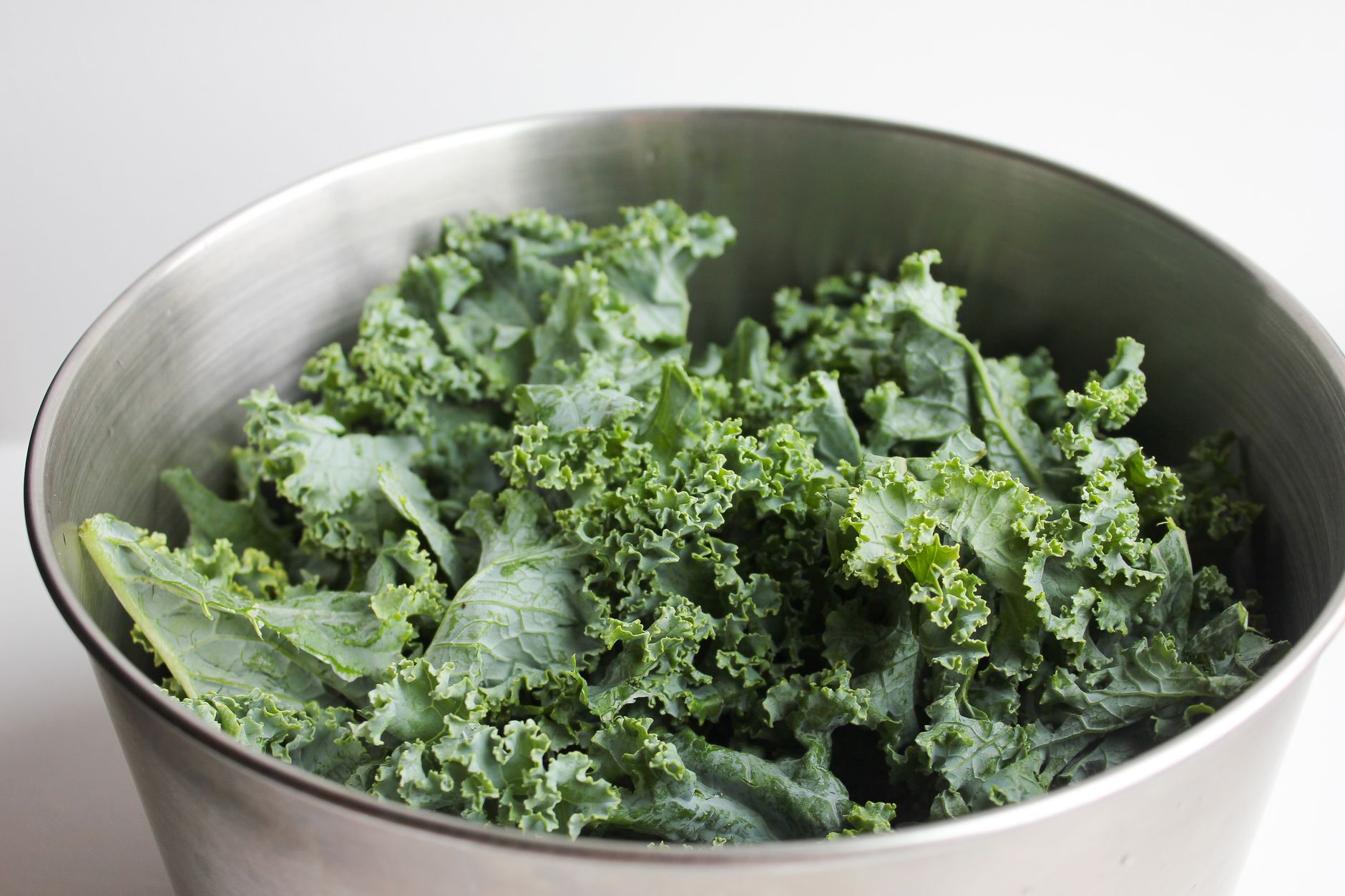
Kale is a powerhouse of nutrients, providing a plethora of health benefits and versatility in the kitchen. However, a common question arises when preparing this leafy green: Can you eat kale stems? The answer is yes, and this article will delve into the culinary potential of kale stems along with their flavor, texture, and various uses in recipes.
Not only are kale stems edible, but they can also add texture and flavor to a dish. While many people might discard them, incorporating kale stems into your cooking can maximize your yield and add nutritional value. This article will explore how to prepare and serve kale stems, their nutritional benefits, and innovative recipes to inspire your next meal.
Can You Eat Kale Stems?
Yes, kale stems are edible and can be eaten. They have a crunchy texture and a slightly bitter flavor, making them a nutritious addition to salads, stir-fries, and soups when prepared correctly. With a few simple techniques, you can enhance their taste and incorporate them into a variety of dishes.
Nutritional Benefits of Kale Stems
Kale stems contain many of the same health benefits as the leaves, including vitamins A, C, and K, as well as calcium and iron. They are also a good source of fiber, which aids in digestion. By using the entire plant, you not only reduce waste but also increase the nutritional profile of your meals.
Vitamins and Minerals
- Vitamin A: Supports immune function and promotes good vision.
- Vitamin C: An antioxidant that helps protect cells and supports skin health.
- Vitamin K: Crucial for bone health and plays a key role in blood clotting.
- Calcium: Important for bone health and muscle function.
- Iron: Essential for cognitive function and energy metabolism.
Fiber Content
The fiber found in kale stems helps to regulate digestion, promote satiety, and maintain a healthy gut. Incorporating fiber into your diet is crucial for overall health and well-being.
How to Prepare Kale Stems
Preparing kale stems is simple and can greatly enhance their flavor and texture. Follow these steps to make the most of them:
Trimming and Cleaning
- Start by washing the kale thoroughly under running water to remove any dirt or pesticides.
- Shake off excess water and pat the leaves and stems dry with a clean cloth.
- Using a sharp knife, cut the leaves away from the stems. The leaves are tender, while the stems are woody and fibrous.
- Depending on the maturity of the kale, you may need to peel the tough outer layer of the stem using a vegetable peeler; this will make them more tender when cooked.
Cooking Methods for Kale Stems
Blanching
Blanching kale stems helps to soften them and reduce bitterness:
- Bring a pot of salted water to a boil.
- Add the kale stems and blanch for 2-3 minutes.
- Immediately transfer the stems to an ice bath to stop the cooking process.
- Drain and use in your desired recipe.
Sautéing
Sautéing adds flavor and makes the stems more tender:
- Heat a tablespoon of olive oil or butter in a skillet over medium heat.
- Add chopped kale stems, along with garlic or onion for flavor.
- Sauté for about 5-7 minutes until the stems are tender but still crisp.
- Season with salt, pepper, or your favorite spices.
Adding to Soups and Stews
Kale stems can be added directly to soups and stews for flavor and nutrients:
- Chop the stems into small pieces.
- Add them to your soup or stew during the cooking process, allowing them to simmer until tender.
Using in Smoothies
For a nutritious boost, you can include finely chopped kale stems in smoothies:
- Cut the stems into small pieces or use a high-speed blender to ensure they blend smoothly.
- Add them along with fruits, yogurt, or other smoothie ingredients and blend until smooth.
Flavor Pairings
Understanding which flavors pair well with kale stems can elevate your dishes. Here are some great options:
Complementary Ingredients
- Garlic: Adds depth and enhances the earthy flavor of the stems.
- Onion: A classic pairing that brings sweetness to the dish.
- Citrus: Lemon or lime juice can brighten the flavors.
- Cheeses: Parmesan or feta adds creaminess and richness.
- Nuts and Seeds: Toasted nuts or seeds can provide crunch and contrast.
Cooking Combinations
Consider pairing kale stems with other ingredients:
- Add sautéed kale stems to grain bowls with quinoa, brown rice, or farro.
- Combine stems with roasted vegetables for added texture.
- Mix blanched stems into a pasta dish with olive oil and cheese.
Creative Uses for Kale Stems
Don’t limit yourself to basic preparations. Here are some creative uses for kale stems in your cooking:
Kale Stem Pesto
Substitute kale stems for basil in normal pesto to create a unique twist:
- Blend peeled kale stems, garlic, parmesan, nuts (like pine nuts or walnuts), and olive oil until smooth.
- Use it as a pasta sauce or sandwich spread.
Stir-Fries
Kale stems add a satisfying crunch when included in stir-fries:
- Stir-fry kale stems with bell peppers, carrots, and your protein of choice.
- Season with soy sauce, ginger, and sesame oil for added flavor.
Raw Salads
Finely chop or julienne raw kale stems to add a crunchy texture to salads:
- Mix with assorted greens, veggies, nuts, and a light vinaigrette for a refreshing salad.
Vegetable Broth
Utilize kale stems in vegetable broth for an added depth of flavor:
- Add the stems to your pot of simmering vegetables and seasonings when making a broth.
- Strain before serving to create a rich and nutritious broth.
Substituting Kale Stems in Recipes
If you happen to find yourself without kale stems, here are some suitable substitutes you can use:
Alternatives
- Swiss Chard Stems: These have a similar texture and can be used in the same way.
- Broccoli Stems: Peeled and chopped, they can replace kale stems in various dishes.
- Collard Greens Stems: Though thicker, collard greens stems provide a comparable flavor.
Common Mistakes with Kale Stems
When cooking with kale stems, avoid these common pitfalls:
Overcooking
Be mindful not to overcook kale stems, as they can become mushy. Aim for a tender crisp to retain some texture.
Neglecting to Slice Thinly
Thicker pieces may remain tough and difficult to chew. Slice stems thinly for better texture results.
Storage Tips for Kale Stems
Like kale leaves, it’s essential to store kale stems properly to maintain their freshness:
Refrigeration
- Store unwashed kale stems in a sealed plastic bag or container with a damp paper towel to keep them hydrated.
- Keep them in the crisper drawer; they should last for about 5-7 days.
Freezing
If you cannot use your kale stems right away, consider freezing them:
- Blanch the stems first, as mentioned above.
- After cooling, place them in a freezer bag and remove as much air as possible.
- Label the bag with the date. Frozen kale stems can last up to 6 months.
Incorporating Kale Stems into Meal Planning
Integrating kale stems into your meal prep can save time and enhance flavor:
Batch Cooking
- When preparing kale for recipes, trim and utilize the stems in one cooking session to optimize efficiency.
- Consider using them in stir-fry kits or as part of soups to streamline your weekly meals.
Versatile Base for Weekly Meals
Kale stems can be blended into various weekly meals. Use them in:
- Breakfast smoothies for a nutritional boost.
- Vegetable stock for hearty soups.
- Grain bowls combining different ingredients for several lunches and dinners.
By incorporating kale stems into your cooking, you can enhance flavor, structure, and nutrition while minimizing waste. Their unique crunch and slightly more robust flavor than the leaves can add depth to a variety of dishes, making for perfect meal planning companions. Challenge yourself to include these often-discarded parts of the plant and discover delicious new tastes along the way.
Next time you enjoy kale, remember to think beyond the leaves. Embrace experimenting with kale stems in your cooking, and enjoy the culinary possibilities they offer. For more information on the health benefits of kale, check out our post on whether kale has fiber. Expand your vegetable repertoire by learning about chard and its uses as well, enhancing your meals with new textures and flavors.