
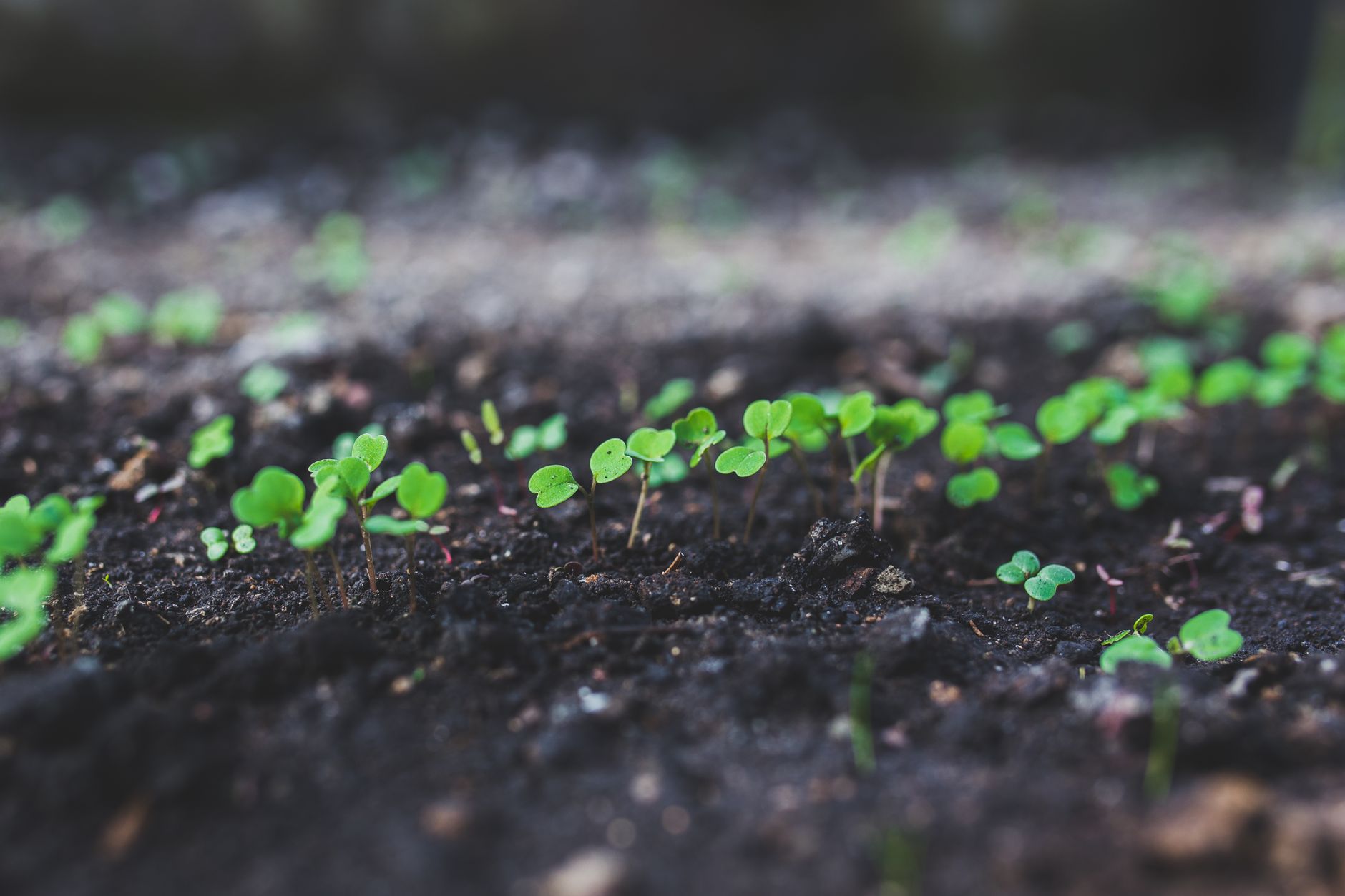
Rucola, also known as arugula or rocket, is a leafy green that has gained popularity for its distinctive flavor and versatility in the kitchen. This peppery salad green can add a delightful kick to various dishes, making it a favorite among chefs and home cooks alike.
In this article, we will explore what rucola is, its flavor profile, how to serve it, and various culinary uses. We will also touch on growing tips, storage methods, and substitutions that will help you incorporate this vibrant green into your meals.
What Is Rucola?
Rucola, classified scientifically as Eruca sativa, is a cruciferous vegetable closely related to cabbage, broccoli, and kale. It is typically characterized by its dark green, curly leaves and distinctive peppery flavor.
Rucola is often used in salads but can be featured in a wide variety of dishes including pastas, pizzas, and sandwiches. Its unique flavor is derived from glucosinolates, compounds that also offer health benefits.
Ingredients and Flavor Profile of Rucola
Rucola’s primary ingredient is its leaves, which can be enjoyed raw or cooked. The flavor is a combination of bitter, peppery, and slightly nutty, making it an excellent addition to various dishes.
Here’s a breakdown of the primary characteristics of rucola:
- Flavor: Bold and peppery, with a slight bitterness and nutty undertone.
- Texture: Tender and leafy, with a crispness when fresh.
- Color: Dark green, sometimes with a slightly glossy finish.
- Nutrition: Low in calories and rich in vitamins A, C, and K, as well as folate and calcium.
Culinary Uses of Rucola
Rucola is a versatile ingredient that can enhance the flavor of many dishes. Here are some popular ways to enjoy it:
Fresh Salads
Rucola’s peppery flavor makes it an ideal base for salads. You can combine it with fruits like pears or apples, cheese such as goat cheese or parmesan, and a variety of nuts for added texture and richness.
For a simple rucola salad, consider tossing the leaves with olive oil, lemon juice, salt, and pepper. This light dressing will complement the natural flavors of the rucola without overpowering them.
Pasta Dishes
Adding rucola to pasta dishes can provide a burst of flavor and freshness. It can be stirred into warm pasta just before serving, allowing the heat to slightly wilt the leaves without losing their vibrant character.
Consider tossing rucola with olive oil, garlic, and sautéed vegetables for a quick pasta meal.
Pizzas and Flatbreads
Rucola can be used as a flavorful topping for pizzas and flatbreads. Add it after baking for a fresh contrast to the warm, melted cheese and crispy crust, allowing it to retain its texture and taste.
Sandwiches and Wraps
Instead of traditional lettuce, use rucola in your sandwiches and wraps for a flavorful twist. Its unique taste pairs well with a variety of proteins, from turkey to hummus.
Soups
Rucola can be a delightful addition to soups, particularly in Mediterranean-inspired recipes. Adding it toward the end of the cooking process helps to retain its nutrients and flavor.
How to Serve Rucola
When serving rucola, it’s essential to ensure the leaves are fresh and well-prepared. Here are some suggestions:
- Washing: Rinse the leaves thoroughly under cold water to remove dirt or grime. Spin in a salad spinner to dry.
- Pairings: Complement rucola with citrus flavors, olive oil, balsamic vinegar, and cheeses for added depth.
- Presentation: Use rucola as a bed for proteins or as a garnish for soups to enhance visual appeal.
Growing Rucola at Home
If you are interested in growing your own rucola, it is relatively easy to cultivate. Here are some tips:
- Soil: Rucola prefers well-drained soil with a slightly acidic to neutral pH.
- Sunlight: It thrives in full sun but can tolerate partial shade.
- Watering: Keep the soil consistently moist, but not waterlogged.
- Harvesting: Cut leaves when they are young for the best flavor. You can also allow a few plants to mature and flower, adding visual interest to your garden.
Storage Tips for Rucola
To extend the freshness of your rucola, proper storage is key. Here are effective methods:
- Refrigeration: Store unwashed rucola in the crisper drawer of your refrigerator in a plastic bag or container with a damp paper towel.
- Washing: Wash the leaves just before use to prevent wilting. Excess moisture can lead to quicker spoilage.
- Freezing: Though not ideal for all applications, rucola can be blanched and frozen for later use in cooked dishes.
Common Mistakes When Using Rucola
To fully enjoy rucola, be mindful of these common mistakes:
- Overcooking: Cooking rucola too long can diminish its flavor and nutritional value. Add it toward the end of cooking cycles.
- Incorrect Pairing: Avoid pairing it with strong flavored ingredients that can overpower its unique taste.
- Neglecting Freshness: Always use fresh rucola for the best flavor and texture, and avoid any with yellowed or wilted leaves.
Substituting Rucola
If you cannot find rucola or are looking for alternatives, consider the following substitutes:
- Spinach: A mild alternative, spinach will offer a different texture and less peppery flavor.
- Kale: Kale can provide a similar crunch, though its flavor profile is more robust and earthy.
- Mustard Greens: For a similar peppery flavor, mustard greens can serve as a direct substitute.
Keep in mind that these substitutes may change the overall flavor of your dish, so consider this when making your choice.
Final Thoughts on Rucola
Rucola is a flavorful, nutritious green that can elevate a variety of dishes. From fresh salads to hearty pasta meals, its versatility makes it a valuable addition to any kitchen. Embrace its peppery flavor by incorporating rucola into your meals, and don’t hesitate to experiment with different pairings and presentations.
As you delve into the world of rucola, be sure to try combining it with flavors that complement its unique taste, ensuring each meal you prepare is not only tasty but also visually appealing.
For those looking to expand their culinary knowledge, consider exploring related topics. You might be interested in other leafy greens or cooking techniques that involve fresh herbs and vegetables. Look for articles that dive into the uses of kale, spinach, and other salad notes for a broader perspective.