
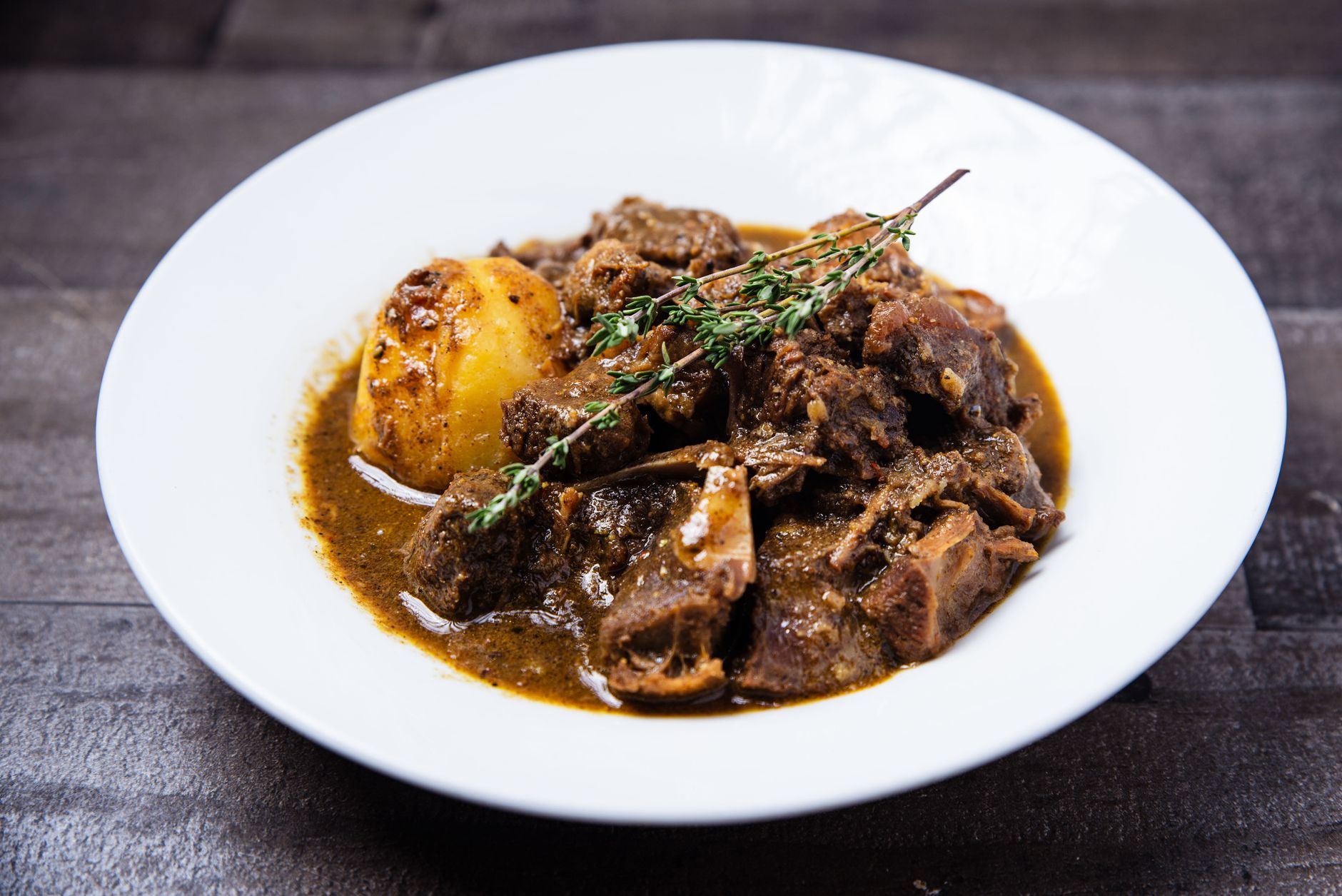
Oxtail is a flavorful cut of meat, often praised for its rich taste and unique texture. However, many people find themselves confused about its origins, specifically whether oxtail comes from beef or pork. Understanding the classification of oxtail is crucial for proper cooking and meal preparation.
This article will delve into the details of oxtail, including its culinary uses, flavor profile, cooking methods, and serving suggestions. By the end, you’ll have a clearer picture of what oxtail is and how to make the most of this delicious ingredient.
Is Oxtail Beef or Pork?
Oxtail is derived exclusively from beef. It is the tail of a cow, traditionally used in various cuisines around the world for its rich flavor and gelatinous texture. While pork might share similar characteristics with certain cuts, oxtail specifically refers to beef tail.
What Does Oxtail Taste Like?
Oxtail has a hearty, deeply savory flavor that becomes more pronounced when cooked. The meat itself is relatively lean, but it is surrounded by connective tissue and fat, which impart richness during cooking. When slow-cooked, oxtail becomes tender and succulent, releasing a luscious gel-like quality that enhances sauces and soups.
Culinary Uses of Oxtail
This versatile ingredient is celebrated in numerous recipes across various cultures. Here are some common culinary uses of oxtail:
- Soups and Stews: Oxtail is often the star of hearty soups and stews, providing a robust base due to its gelatin content.
- Braised Dishes: Slow-braising oxtail results in tender meat that falls off the bone, perfect for serving with rice or crusty bread.
- Curries: Oxtail can be used in rich curries, where it absorbs the spices beautifully, making for a satisfying meal.
- Tacos and Burritos: Shredded oxtail is an excellent filling for tacos or burritos, adding a unique twist to these popular dishes.
How to Choose and Prepare Oxtail
When selecting oxtail, it’s essential to look for quality cuts to ensure the best flavor and texture in your dishes. Here’s how to choose and prepare oxtail effectively:
Selecting Oxtail
- Look for Freshness: Choose oxtail that is bright red and moist, with minimal discoloration.
- Check the Cut: Whole oxtail is usually cut into sections, so opt for pieces with plenty of meat around the bone and some fat for flavor.
- Source: Whenever possible, buy oxtail from a reputable butcher or farmer’s market to ensure quality.
Preparing Oxtail
- Rinse: Rinse the oxtail pieces under cold water to remove any residual blood or bone fragments.
- Trim (if necessary): Trim excess fat if you prefer a leaner dish, but keep some fat for flavor.
- Marinate (optional): Marinating oxtail overnight can enhance the flavor; consider using red wine, garlic, and fresh herbs.
- Season: Season generously with salt and pepper before cooking.
Cooking Techniques for Oxtail
Oxtail is best cooked slowly to break down its tough connective tissues. Here are some popular cooking techniques:
Slow Braising
This method involves cooking oxtail at a low temperature for an extended period. The gradual heat melts the fat and collagen, resulting in tender, flavorful meat.
- Preheat the Oven: Set your oven to 300°F (150°C).
- Sear the Meat: In a heavy pot or Dutch oven, sear the oxtail pieces until browned on all sides. This step adds depth to the flavor.
- Add Aromatics: Include onions, carrots, garlic, and herbs to the pot for extra flavor.
- Add Liquid: Pour in beef broth, wine, or a combination until the oxtail is submerged to halfway.
- Braise: Cover the pot and place it in the oven. Cook for 3-4 hours, or until the meat is tender and falling off the bone.
Pressure Cooking
If you’re short on time, a pressure cooker can significantly reduce cooking time while still yielding tender oxtail.
- Brown the Meat: Sear the oxtail pieces in the pressure cooker on the sauté setting.
- Add Flavorings: Incorporate aromatics and spices, just as with slow braising.
- Add Liquid: Pour in enough broth or liquid to steam the oxtail effectively, usually around 1-2 cups.
- Pressure Cook: Lock the lid in place and cook on high pressure for about 45 minutes. Allow for natural pressure release.
Serving Suggestions for Oxtail
Once oxtail is cooked to perfection, there are many ways to serve it:
- Over Rice: Serve the tender oxtail and its rich broth over a bed of rice to soak up the flavors.
- With Crusty Bread: Pair oxtail stew with crusty bread for dipping and to enjoy the sauce.
- As Tacos: Shred the cooked oxtail and serve in warm tortillas topped with fresh cilantro and lime.
- In Pasta: Integrate shredded oxtail into pasta dishes for added richness and hearty flavor.
Common Mistakes to Avoid When Cooking Oxtail
It’s essential to handle oxtail properly to ensure the best results. Here are some common mistakes to avoid:
- Rushing the Cooking Process: Oxtail requires slow cooking for the best tenderness. Don’t try to cook it quickly as it won’t achieve the desired texture.
- Skipping Marinades: While not necessary, marinating oxtail can add depth of flavor, so consider it for an enhanced dish.
- Insufficient Liquid: Ensure there’s enough cooking liquid to prevent burning and to achieve a rich sauce.
- Neglecting to Skim Fat: For a lighter dish, skim excess fat off the surface before serving.
How to Store and Reheat Oxtail
Proper storage and reheating of oxtail are essential for maintaining flavor and safety.
Storage
- Refrigeration: Store leftover oxtail in an airtight container in the fridge for up to 3-4 days.
- Freezing: Oxtail can be frozen for up to 3 months. Be sure to use freezer-safe containers, and label them with the date.
Reheating
To reheat oxtail, you can use the stovetop or oven:
- Stovetop: Heat over medium-low heat in a pot, adding a splash of broth if necessary to prevent drying out.
- Oven: Preheat the oven to 350°F (175°C) and cover the oxtail with foil while reheating to keep it moist.
Practical Substitutions for Oxtail
If oxtail is unavailable, there are a few alternatives that can work in similar recipes:
- Short Ribs: These can mimic the texture and richness of oxtail and can be prepared using similar cooking methods.
- Beef Shank: This cut has similar characteristics in terms of flavor, though it doesn’t have the same amount of connective tissue.
- Chuck Roast: While it has a different texture, chuck roast can be used for braised dishes to achieve a hearty meal.
Conclusion
Understanding that oxtail comes from beef is essential for anyone looking to explore this culinary delight. Its rich flavor and versatility in recipes make it an exciting ingredient for both home cooks and professional chefs.
With the right cooking techniques and pairings, oxtail can truly shine in your meals, whether you are preparing a traditional stew or experimenting with new flavors. Explore related cooking guides, tips, and recipes to enhance your culinary experience even further.