
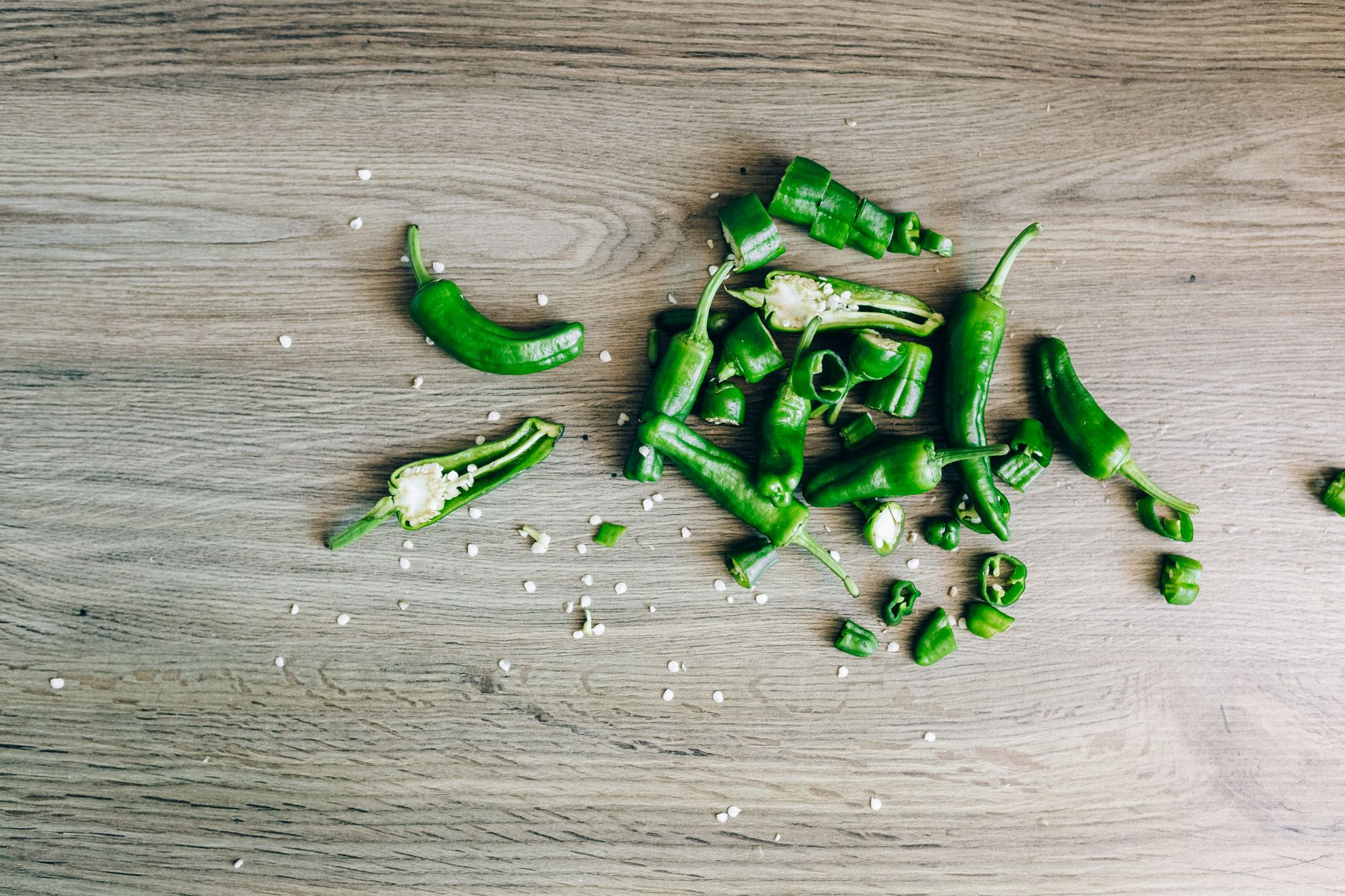
Green peppers, or bell peppers, are popular vegetables known for their crisp texture and mild flavor. They are versatile ingredients that can enhance a variety of dishes, from salads to stir-fries. One key aspect many people watch when it comes to their diet is carbohydrate content, especially those following low-carb or ketogenic lifestyles.
This article will provide a comprehensive overview of how many carbohydrates are in a green pepper, breaking it down by serving size, and discussing its nutritional value, health benefits, and culinary uses. Understanding the carbohydrate content can assist you in meal planning, especially if you’re mindful of your macros.
How Many Carbs in a Green Pepper?
On average, a medium-sized green pepper contains about 6 grams of carbohydrates. Specifically, a typical serving size of 100 grams (approximately one medium green pepper) has about 5.8 grams of total carbohydrates, with about 2.5 grams of dietary fiber. This means the net carbs are roughly 3.3 grams.
Nutritional Breakdown of Green Peppers
In addition to being low in carbohydrates, green peppers are nutrient-rich, providing various vitamins and minerals that contribute to overall health. Below is a breakdown of the nutritional content of 100 grams of raw green pepper:
- Total Carbohydrates: 5.8 grams
- Dietary Fiber: 2.5 grams
- Net Carbs: 3.3 grams
- Calories: 20
- Protein: 0.9 grams
- Fat: 0.2 grams
- Vitamin C: 80 mg (approximately 89% of RDI)
- Vitamin A: 370 IU (approximately 12% of RDI)
- Potassium: 210 mg
- Folate: 10 mcg (approximately 3% of RDI)
The Role of Carbs in Green Peppers
The carbohydrates found in green peppers mostly come from sugars and fiber. The natural sugars present in green peppers contribute to their slightly sweet flavor, while dietary fiber aids in digestion and helps maintain a feeling of fullness. This makes green peppers a great choice for snacking, especially when you’re looking for low-calorie options.
How Serving Size Affects Carbohydrates
Understanding how different serving sizes impact the carbohydrate content in green peppers is important for meal planning. Here’s a breakdown based on common serving sizes:
| Serving Size | Total Carbohydrates (grams) | Dietary Fiber (grams) | Net Carbs (grams) |
|---|---|---|---|
| 1 Medium Green Pepper (about 150 grams) | 8.7 | 3.8 | 4.9 |
| 1 Cup Diced (about 150 grams) | 6.0 | 2.5 | 3.5 |
| 1 Large Green Pepper (about 200 grams) | 11.6 | 5.0 | 6.6 |
| 1/2 Cup Sliced (approximately 75 grams) | 3.1 | 1.2 | 1.9 |
Health Benefits of Green Peppers
In addition to their low carbohydrate content, green peppers offer a variety of health benefits:
- Rich in Antioxidants: Green peppers contain antioxidants like quercetin, which help protect the body against oxidative stress and inflammation.
- Boost Immune Function: High levels of vitamin C are known to support the immune system, helping the body fight off infections.
- Support Eye Health: They are rich in carotenoids, which are beneficial for eye health and may help reduce the risk of macular degeneration.
- Promote Healthy Skin: The vitamin C and other antioxidants in green peppers can contribute to healthier skin by fighting free radicals.
- Encourage Weight Loss: Low in calories and high in fiber, green peppers can help with weight management by making meals more filling.
Culinary Uses of Green Peppers
Green peppers are incredibly versatile in the kitchen. Here are some ideas for incorporating them into your meals:
- Salads: Add diced or sliced green peppers for a fresh crunch.
- Stir-fries: Toss them into your favorite stir-fry for vibrant color and flavor.
- Stuffed Peppers: Fill with grains, meat, or beans for a hearty main dish.
- Sauces: Blend into sauces for a flavorful addition.
- Roasted: Roasting enhances their sweetness and flavor, making them a delicious side dish.
Substitutions and Variations
If you’re looking for alternatives to green peppers, there are several options available:
- Red Peppers: Sweeter and slightly higher in carbs, but they can provide a vibrant alternative.
- Yellow Peppers: Similar to red peppers but with a different flavor profile and slightly higher sugar content.
- Poblano Peppers: Milder and can offer a different taste to your dishes.
- Zucchini: Use as a low-carb alternative in recipes like stuffed peppers.
Common Mistakes and Troubleshooting
When cooking with green peppers, consider these common pitfalls:
- Overcooking: Green peppers can lose their crunch and turn mushy if overcooked. Aim for a tender-crisp texture.
- Not Removing Seeds: Seeds can be bitter, so always remove them for a better taste.
- Ignoring Ripeness: While green peppers are not as sweet as their red or yellow counterparts, choosing ripened green peppers can elevate the flavor.
Cooking Techniques for Green Peppers
Here are some common cooking techniques to maximize the flavor and texture of green peppers:
Raw
Chopping and eating raw green peppers is one of the simplest ways to enjoy their crunchy texture and fresh flavor. They can be used in salads, salsas, or as a colorful addition to veggie trays.
Roasting
- Preheat your oven to 400°F (200°C).
- Cut the green peppers in half, deseeding them.
- Toss them with olive oil, salt, and any desired herbs.
- Arrange on a baking sheet cut-side down and roast for 20-25 minutes, or until softened and slightly charred.
Stir-Frying
- Heat a small amount of oil in a wok or skillet over medium-high heat.
- Add sliced green peppers and stir-fry for 2-3 minutes.
- Combine with other vegetables or proteins and a sauce of your choice.
Storage and Reheating
To maintain the freshness of green peppers:
- Raw Fresh: Store in the vegetable crisper drawer of the refrigerator in a perforated plastic bag, which can last for up to a week.
- Cooked: Store in an airtight container in the refrigerator for 3 to 5 days.
- Freezing: Slice and blanch the peppers before freezing for long-term storage; they can last for up to 6 months in the freezer.
Meal Planning with Green Peppers
When incorporating green peppers into your meal planning, consider the following tips:
- Batch Cooking: Cook a large batch of stuffed peppers to enjoy throughout the week.
- Vegetable Mix: Combine green peppers with other low-carb vegetables, such as broccoli or zucchini, for balanced meals.
- Snack Prep: Slice peppers and store them in bags for quick, healthy snacks.
Knowing the carbohydrate content and nutritional benefits of green peppers can enhance your meal planning and preparation. Their versatility makes them suitable for a wide range of dishes, ensuring you include delicious and nutritious ingredients in your meals while keeping carbs in check.
Explore more about how to use peppers in your cooking by checking out what to serve with stuffed peppers or discover delicious poblano peppers with our poblano peppers recipe.