
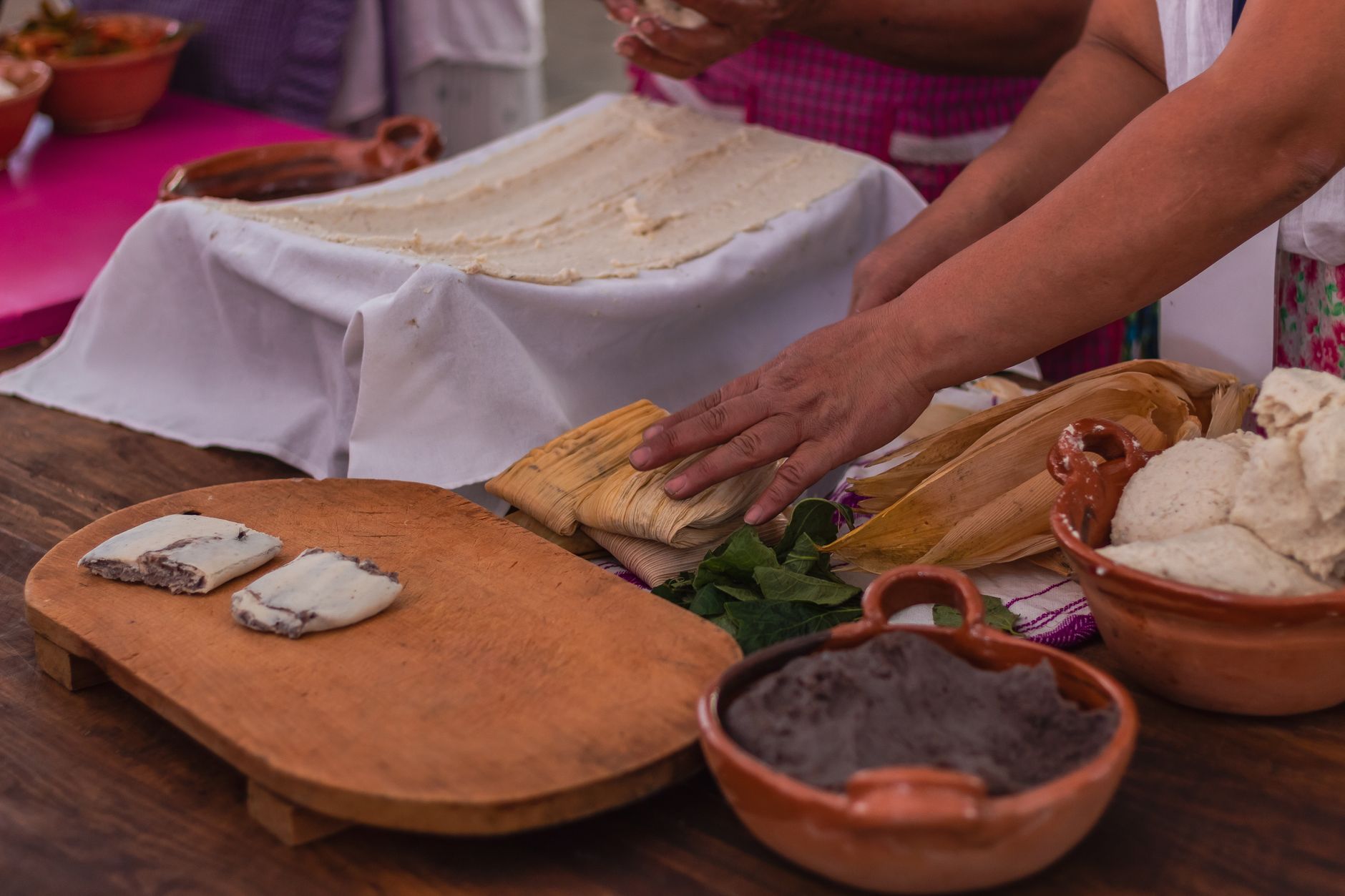
Tamales are a beloved traditional dish in many Latin American countries, particularly in Mexico. They consist of masa (corn dough) filled with various ingredients and wrapped in corn husks, making them both portable and versatile. The process of making tamales can seem daunting at first, but with some guidance, you can create this delicious comfort food at home.
This article explores how tamales are made, detailing the necessary ingredients, step-by-step methods, and tips for serving. Whether you are preparing them for a special occasion or an everyday meal, you’ll be equipped with all the information you need to enjoy this rich, cultural dish.
How Are Tamales Made?
To make tamales, you need to prepare masa, select fillings, wrap them in corn husks, and steam the bundles until cooked. While the process requires several steps, the result is a delicious treat that brings warmth and comfort to the table.
Ingredients for Tamales
Here’s a complete ingredient list for making traditional tamales:
- Masa (Corn Dough)
- 4 cups masa harina
- 1 cup vegetable shortening or lard
- 2 to 3 cups warm chicken or vegetable broth
- 1 teaspoon baking powder
- 1 teaspoon salt
- Filling Options
- 3 cups cooked, shredded chicken with salsa verde
- 3 cups pork carnitas
- 3 cups cheese with green chilies
- 3 cups refried beans with spices
- 3 cups roasted vegetables (bell peppers, squash, etc.)
- Wrapping
- 12 to 15 dried corn husks, soaked in warm water for 30 minutes
Essential Equipment
To make tamales, consider having the following items on hand:
- Large mixing bowl
- Electric mixer or wooden spoon
- Large pot with a steamer basket
- Measuring cups and spoons
- Spatula
- Kitchen towels
Step-by-Step Method for Making Tamales
Preparation of Ingredients
- Soak the Corn Husks: Begin by soaking the dried corn husks in warm water for at least 30 minutes. This softens them, making them pliable for wrapping the tamales.
- Make the Masa: In a large mixing bowl, combine the masa harina, baking powder, and salt. In a separate bowl, cream the vegetable shortening or lard until it becomes fluffy. Gradually add the dry masa mixture and alternate with warm broth until you achieve a soft, spreadable consistency. It should hold its shape but not be too dry.
- Prepare the Filling: Choose your filling option or create a mixture of sauces, meats, vegetables, and spices. Make sure the filling is not too liquidy to avoid soggy tamales.
Assembling the Tamales
- Prepare the Corn Husk: Take a soaked corn husk, pat it dry, and lay it flat on your work surface. The wide end should be facing you.
- Spread the Masa: Using a spatula, spread about 2 to 3 tablespoons of masa dough in the center of the husk, leaving about 2 inches of space at the bottom and 1 inch at the sides.
- Add the Filling: Place 1 to 2 tablespoons of the filling in the center of the masa.
- Fold the Tamale: Fold the sides of the corn husk in toward the center, then fold the bottom up. The tamale should be sealed but not tightly packed to allow for expansion during cooking.
- Repeat: Continue the process with the remaining masa and fillings until all the ingredients are used.
Cooking the Tamales
- Prepare the Steamer: Fill a large pot with water and insert a steamer basket above the waterline. Make sure the water level is not too high to touch the tamales.
- Steam the Tamales: Stand the tamales upright in the steamer basket, with the open end facing up. Cover them with a damp kitchen towel and then a lid.
- Cook: Steam the tamales over medium heat for about 1 to 1.5 hours. Check periodically to ensure there’s enough water in the pot, adding more as necessary.
- Check for Doneness: Tamales are done when the masa is firm and pulls away easily from the corn husk. This usually takes between 1 to 1.5 hours.
Serving Tips
Once your tamales are cooked, it’s time to enjoy them. Here are some serving suggestions:
- Serve hot, drizzled with salsa, crema, or guacamole.
- Pair with traditional sides like refried beans or Mexican rice.
- Garnish with fresh cilantro, diced onions, or lime wedges for added flavor.
- For a festive touch, serve with a side of Mexican hot chocolate or horchata.
Common Mistakes and Troubleshooting
Making tamales can be a bit tricky, especially for first-timers. Here are some common pitfalls and how to avoid them:
- Dry Masa: If your masa mixture is too dry, add more broth gradually until you reach the desired spreadable consistency.
- Soggy Tamales: Avoid adding too much filling or sauces, which can lead to sogginess. Make sure the filling is well-balanced without too much liquid.
- Undercooked Tamales: Ensure the tamales are steamed long enough. They should be firm to the touch and should peel easily from the husk when done.
Storage and Reheating Tamales
If you have leftover tamales or want to prepare them in advance, proper storage is key:
- Refrigeration: Store cooked tamales in an airtight container in the fridge for up to 3 days.
- Freezing: Tamales can be frozen for up to 3 months. Wrap each tamale individually in plastic wrap and place them in a freezer bag.
- Reheating: To reheat, steam them directly from frozen or refrigerate them. Ensure they are heated thoroughly, ideally steaming them for about 20 minutes until heated through.
Variations and Substitutions
If you want to experiment with different flavors, consider these variations and ingredient substitutions:
- Gluten-Free Option: Use masa harina that is certified gluten-free to make your tamales safe for those with gluten sensitivities.
- Vegetarian/Vegan Fillings: Use mashed potatoes, corn, cheese, or mushrooms for vegetarian options. Replace lard with vegetable shortening for a vegan version.
- Sweet Tamales: For dessert-inspired tamales, mix in cinnamon, sugar, and chocolate or fruit fillings. These can be served with sweet toppings like cream or syrup.
Conclusion
Making tamales is a labor of love that rewards your efforts with a hearty and cherished dish. With the right ingredients, equipment, and techniques, you can create authentic homemade tamales that tell a story of tradition and flavor. Once you get the hang of it, feel free to experiment with fillings and flavors to make the dish your own.
Ready to get started? Gather your ingredients and equipment, and start preparing your own batch of tamales today! Explore related recipes, cooking tips, or food guides to enhance your culinary experience and discover new dishes to try.