
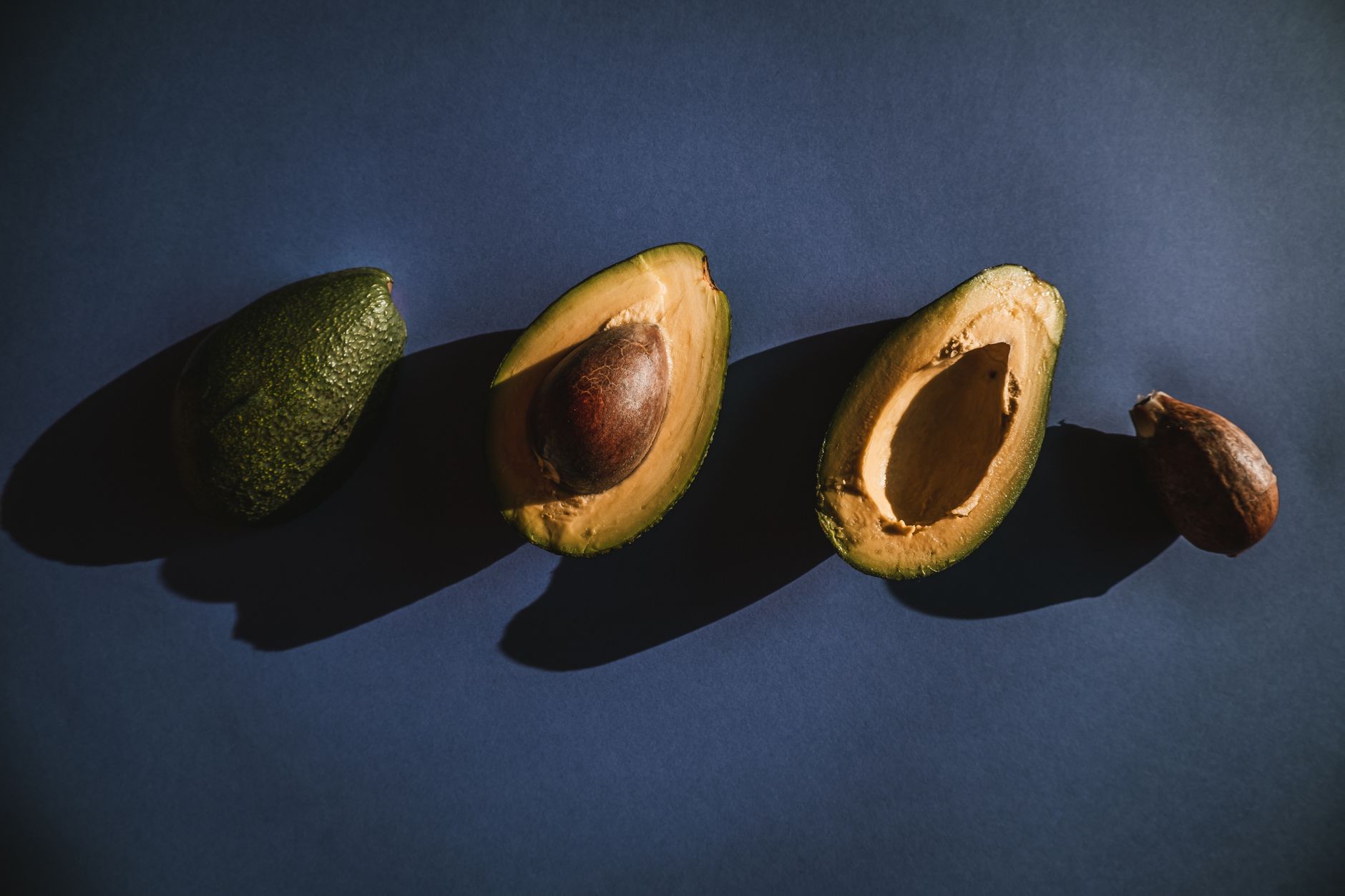
Avocados, often touted as a superfood, have gained popularity not only for their creamy texture and taste but also for their nutritional profile. Many people are curious about their role in weight management and whether incorporating avocados can assist in losing weight.
This article explores the potential effects of avocados on weight loss, considering their nutritional content, benefits, meal-planning ideas, and practical tips for inclusion in everyday diets.
Do Avocados Help You Lose Weight?
Avocados can support weight loss efforts mainly due to their high fiber content, healthy fats, and ability to promote satiety. This means they can help you feel full longer and reduce overall calorie intake when consumed in moderation.
Understanding Avocados’ Nutritional Profile
Avocados are unique among fruits for their high fat content. Here’s a breakdown of their primary nutritional components:
- Healthy Fats: Approximately 15 grams of fat per 100 grams, mostly monounsaturated fats, which are heart-healthy.
- Fiber: Avocados offer about 7 grams of fiber per 100 grams, aiding digestion and satiety.
- Vitamins and Minerals: They are rich in vitamins C, E, K, and B6, as well as magnesium and potassium.
The Role of Fiber in Weight Loss
Fiber is essential for weight management. Foods high in fiber slow digestion, leading to prolonged feelings of fullness. This can help to reduce the urge to snack or overeat during meals. A diet rich in fiber can lower total calorie intake and promote a healthier weight.
How Avocados Provide Fiber
One medium-sized avocado contains about 10 grams of dietary fiber. Incorporating just half an avocado into your meal can significantly contribute to your daily fiber goals, which is around 25 grams for women and 38 grams for men.
The Importance of Healthy Fats
Unlike saturated fats typically found in animal products and processed foods, the monounsaturated fats in avocados can actually benefit heart health. They help reduce bad cholesterol levels and provide a rich source of essential fatty acids.
Monounsaturated Fat and Satiety
Eating healthy fats can lead to greater satiety. This means that meals including avocados can leave you feeling more satisfied, thereby potentially lessening the chance of reaching for unhealthy snacks later in the day.
Integrating Avocados Into Your Diet
To take advantage of avocados’ benefits, consider how to fit them into your meals creatively. Here are some practical suggestions:
Breakfast Ideas
- Avocado Toast: Spread smashed avocado on whole-grain toast, adding a poached egg for protein.
- Smoothies: Blend avocado with spinach, banana, and almond milk for a creamy, nutrient-rich drink.
Lunch Suggestions
- Salads: Add sliced avocado to salads for extra creaminess and healthy fats.
- Tacos: Use avocado as a topping for tacos, supplying flavor and nutrition.
Dinner Incorporations
- Grain Bowls: Combine quinoa, black beans, diced avocado, and veggies for a satisfying bowl.
- Soups: Blend avocado into soups for a rich and creamy texture without the need for dairy.
Snack Options
- Guacamole: Mix mashed avocado with lime, garlic, and spices for a delicious dip paired with veggies or whole-grain chips.
- Avocado Hummus: Blend avocado into hummus for a twist on the classic dip.
Portion Control and Moderation
While avocados have many health benefits, they are also calorie-dense. A medium avocado typically has around 240 calories. Consequently, consuming avocados in moderation is crucial for supporting weight loss. A balanced approach remains key.
Meal Planning with Avocados
Incorporating avocados into your meal plan can promote a balanced diet. Here are some key tips:
Weekly Meal Planning Tips
- Batch Cooking: Prepare guacamole or diced avocado portions ahead of time to make healthy meals quicker to assemble.
- Versatile Dishes: Use avocados in various dishes throughout the week to prevent monotony.
Sample Meal Plan including Avocados
| Meal | Dish |
|---|---|
| Breakfast | Avocado toast with poached eggs |
| Lunch | Grilled chicken salad with avocado |
| Dinner | Stuffed bell peppers topped with avocado |
| Snack | Guacamole with carrot sticks |
Common Mistakes When Incorporating Avocados
Poorly managed avocados can lead to excess calorie intake. Here are some common mistakes and how to avoid them:
Overindulgence
It’s easy to go overboard on avocados due to their rich taste. Stick to half an avocado per meal to keep calorie intake in check.
Neglecting Other Nutrients
Relying solely on avocados for healthy fats can lead to a nutrient imbalance. Ensure you consume a variety of foods to get a well-rounded diet.
Practical Tips for Selecting and Storing Avocados
Choosing the right ripe avocados can enhance your meals. Here are practical tips:
Selecting Ripe Avocados
- Gently squeeze the avocado; it should yield slightly without leaving your fingerprint.
- Check the color; darker skin usually indicates ripeness, but this can vary by variety.
Storing Avocados
- Whole avocados will ripen at room temperature. To speed up ripening, place them in a paper bag.
- If cut, store the avocado half with a squeeze of lemon juice to prevent browning, and wrap it tightly in plastic wrap.
Avocados in a Balanced Diet
To maximize the benefits of avocados, they should be part of a balanced diet that includes various fruits, vegetables, whole grains, lean proteins, and healthy fats. Balance is essential to ensure you’re not only losing weight but also nourishing your body effectively.
Final Thoughts on Avocados and Weight Loss
In summary, avocados can play a supportive role in weight loss due to their fiber content and healthy fats. They promote satiety and provide vital nutrients. However, moderation and a well-rounded diet are crucial for effectively reaching and maintaining a healthy weight.
Consider exploring various avocado recipes and different ways to incorporate them into your meals, such as with our avocado bread recipe or try a refreshing chia pudding recipe with coconut milk.