
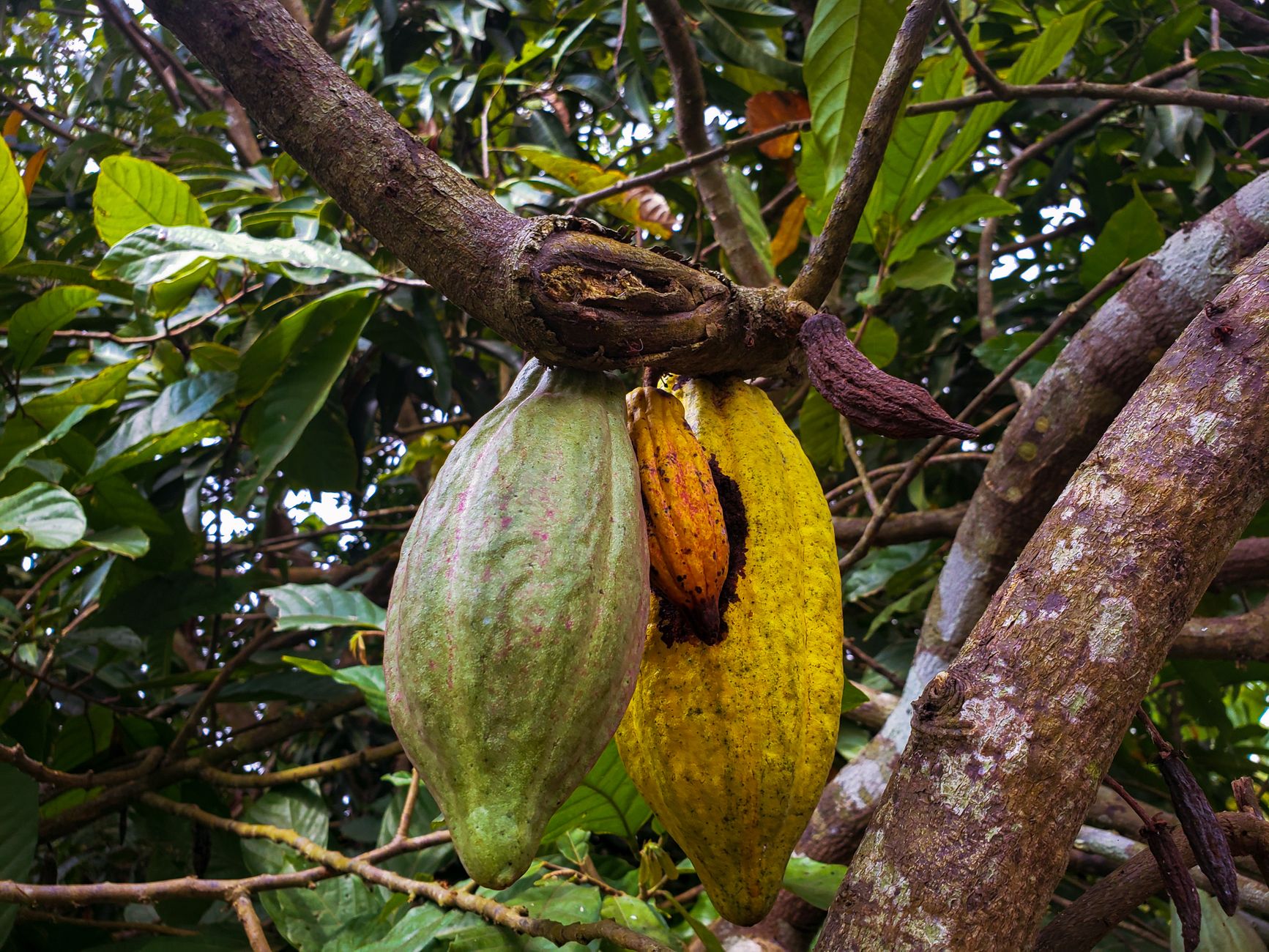
Chocolate, a beloved treat enjoyed by many, has a fascinating journey from bean to bar. Understanding where chocolate is made not only satisfies curiosity but also enhances our appreciation of this delightful ingredient. This article will delve into the sources of chocolate, the production processes, and its culinary applications.
Chocolate is primarily derived from the cacao bean, which is grown in tropical regions around the world. The quality and characteristics of the chocolate can vary significantly based on its origin and production methods. Let’s explore the intricate process of chocolate making, from sourcing cacao to its diverse uses in the culinary world.
Where Is Chocolate Made?
Chocolate is made from cacao beans, which are cultivated primarily in equatorial regions such as West Africa, South America, and parts of Asia. After harvesting, cacao beans undergo a series of processes—fermentation, drying, roasting, and grinding—before they are transformed into the chocolate products we know and love, such as bars, drinks, and confections.
Sources of Cacao Beans
Cacao Farming Regions
The production of chocolate begins with cacao cultivation. Cacao trees thrive in hot, humid environments, requiring specific climatic conditions.
- West Africa: This region accounts for approximately 70% of the world’s cacao production. Countries like Ivory Coast and Ghana are prominent producers, known for their high-quality cacao.
- South America: The birthplace of the cacao tree, South American countries like Ecuador, Peru, and Venezuela produce unique varieties of cacao, often sought after for their distinct flavors.
- Asia and the Pacific: Countries such as Indonesia and the Philippines also contribute to global cacao production, with varying quality and flavor profiles depending on the region.
Cacao Varieties
There are three main varieties of cacao beans, each offering different flavors and qualities:
- Forastero: The most common type, known for its strong, bitter flavor. It accounts for about 80% of the world’s cacao supply.
- Criollo: Considered the finest quality cacao, Criollo beans are rare and often more expensive. They boast complex flavors and lower bitterness.
- Trinitario: A hybrid of Forastero and Criollo, Trinitario beans offer excellent flavor with good resistance to disease, striking a balance between quality and yield.
The Chocolate Production Process
The journey of cacao from tree to chocolate involves several steps that are crucial for developing the flavor and texture of the final product. Each step plays a significant role in the quality of the chocolate produced.
Harvesting Cacao Pods
Cacao pods are harvested manually using machetes. The process requires skill to avoid damaging the tree and ensure the pods are collected at the right time. Each pod contains cacao beans surrounded by a sweet, white pulp.
Fermentation
Once harvested, the beans and their pulp are fermented for several days. This process is essential as it develops the beans’ flavor. The fermentation typically occurs in shallow containers or pits, allowing the pulp to break down.
Drying
Post-fermentation, the beans are spread out under the sun for drying. This stage reduces moisture content and aids in further flavor development. Beans must be turned regularly to ensure even drying, which can take about a week.
Roasting
The next step is roasting the dried beans. Roasting enhances the chocolate flavor and makes it easier to remove the outer shell of the beans (the testa). Different roasting profiles can lead to variations in flavor, making this a critical step in chocolate production.
Cracking and Winnowing
Once roasted, the beans are cracked open to separate the nibs (the inner part of the bean) from the shell. A process known as winnowing involves blowing air to remove the lighter shells, leaving behind the cacao nibs that will be further processed into chocolate.
Grinding and Conching
The cacao nibs are ground into a paste known as chocolate liquor, which contains both cocoa solids and cocoa butter. This paste can be further refined through conching—mixing and aerating the chocolate liquor for several hours to improve texture and flavor.
Tempering
Tempering is a crucial step that involves heating and cooling the chocolate to stabilize it for a glossy finish and an impressive snap when broken. Properly tempered chocolate also has a longer shelf life.
Forming and Cooling
Once tempered, the chocolate can be poured into molds to create bars, coins, and other shapes. The chocolate is cooled until it hardens, completing the transformation from cacao bean to a finished chocolate product.
Food Uses of Chocolate
Chocolate is a versatile ingredient in the kitchen, utilized in various ways across different cuisines. Here are some common culinary applications:
Chocolate in Desserts
Chocolate is a star ingredient in countless desserts, including:
- Cakes: Chocolate cakes are popular for celebrations and special occasions, with options ranging from simple chocolate sponge cakes to decadent layered tortes.
- Cookies: Chocolate chip cookies are a classic favorite, with variations that include dark chocolate, nuts, and flavored additions like espresso or sea salt.
- Mousses and Puddings: Chocolate mousses offer a rich, creamy texture, perfect for elegant dinners. Puddings can be enjoyed warm or chilled, satisfying any chocolate craving.
Chocolate in Beverages
Chocolate is also a key ingredient in several beverages:
- Hot Chocolate: A comforting drink made with melted chocolate and milk, often topped with whipped cream or marshmallows.
- Chocolate Milk: Simple yet delicious, chocolate milk is made by mixing chocolate syrup or powder into milk.
- Chocolate Cocktails: Mixologists have embraced chocolate in cocktails, creating indulgent drinks like chocolate martinis or chocolate-infused liqueurs.
Chocolate in Savory Dishes
Though not as common, chocolate can enhance savory dishes:
- Mole: A traditional Mexican sauce that often includes chocolate for depth and richness, typically served with meat or poultry.
- Chili or Stews: A touch of dark chocolate can add complexity to chili recipes or savory stews, balancing flavors and providing subtle sweetness.
Choosing the Right Chocolate
When selecting chocolate for cooking or baking, consider the type and quality. Here are some tips for choosing the right chocolate:
- Cocoa Percentage: Higher cocoa content typically translates to richer flavor. Semisweet chocolate often has around 60% cocoa, while dark chocolate may have 70% or more.
- Type of Chocolate: Decide between dark, milk, or white chocolate based on the recipe requirements. Each type has unique flavor profiles and sweetness levels.
- Sourcing: Look for sustainably sourced chocolate, marked with certifications like Fair Trade or Rainforest Alliance, to support ethical cacao farming practices.
Practical Tips for Cooking with Chocolate
Working with chocolate can be tricky, but these tips can help achieve better results:
- Use Quality Ingredients: The flavor of your final dish heavily relies on the quality of the chocolate used. Invest in good quality chocolate for the best results.
- Melt Carefully: If melting chocolate, do so over a double boiler or in short bursts in the microwave, stirring frequently to prevent burning.
- Keep It Dry: Ensure that all utensils and bowls are dry when working with chocolate, as moisture can cause seizing, rendering the chocolate unusable.
- Storage: Store chocolate in a cool, dry place, away from strong odors. When properly stored, chocolate can last several months or even longer.
Common Mistakes and Troubleshooting
Even experienced cooks can encounter challenges when working with chocolate. Here are some common mistakes and solutions:
- Seized Chocolate: If chocolate becomes grainy and thick, it may have come into contact with moisture. If this happens, try adding a small amount of fat (like coconut oil) to rescue it.
- Overheating Chocolate: Melting chocolate too quickly can cause it to burn. Always use low heat and monitor closely.
- Unstable Chocolate: If chocolate doesn’t set properly after tempering, it may not have been tempered correctly. Practice and patience can improve tempering techniques.
Chocolate Around the World
Chocolate varies widely across cultures, with each region having its unique take on flavor and use:
Europe
European countries are known for their chocolatiers who produce luxurious confections and desserts. Belgium and Switzerland, in particular, are famous for their artisanal chocolates, pralines, and truffles.
North America
The United States has a robust chocolate culture, with iconic brands dominating the market. Chocolate bars, brownies, and cookies are staples, often accompanied by creative flavor combinations.
Latin America
Chocolate has deep cultural significance in many Latin American countries, particularly Mexico, where traditional dishes featuring chocolate remain popular. Festivals celebrating cacao and chocolate are common.
Final Thoughts
Understanding where chocolate is made and how it gets to our plates reveals a complex journey filled with history and craftsmanship. From the cacao tree to the many delicious culinary uses of chocolate, the process of creating this beloved ingredient is nothing short of fascinating. Whether you’re baking a cake, melting chocolate for a sauce, or simply enjoying a piece on its own, knowing its origins can enhance your appreciation of this delightful treat.
To explore related recipes, consider checking if chocolate is vegan or try out the Dubai chocolate recipe for unique ideas on how to enjoy chocolate in your kitchen.