
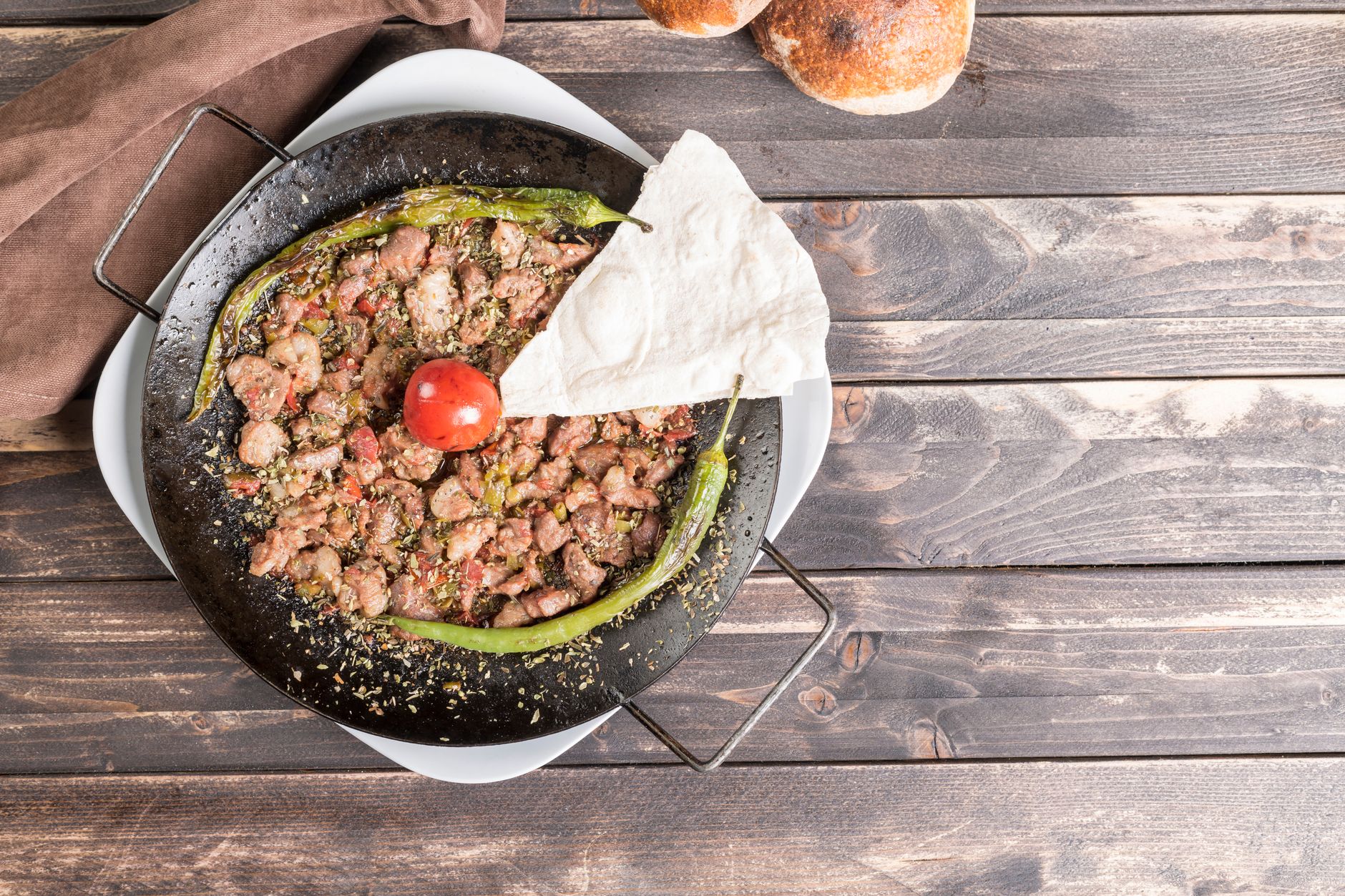
Mice, while not commonly found on menus around the world, can be eaten and have been part of various diets throughout history. In this article, we will explore the culinary aspects of consuming mice, including their nutritional value, methods of preparation, regional practices, and safety considerations. This guide aims to provide a comprehensive understanding of whether you can eat mice and how to approach it safely.
Understanding cultural practices around the world reveals that many cultures do include rodents in their diets, often citing nutritional benefits and availability. With a growing interest in alternative protein sources, discussing the consumption of mice may lead to exciting culinary opportunities.
Can You Eat Mice?
Yes, you can eat mice. Various cultures around the world have included these small mammals in their diets due to their availability and nutritional benefits. While not mainstream in most Western cuisines, methods of preparation and various recipes exist for those looking to incorporate them into meals.
Nutritional Value of Mice
Mice, similar to other rodents, are rich in protein and provide several essential nutrients. Here’s a breakdown of their nutritional profile:
- Protein: Mice are high in protein, making them a viable option for those looking to boost their intake.
- Fats: They contain a reasonable amount of fat, which can contribute to the overall energy content of the meal.
- Vitamins and Minerals: Mice can offer a source of B vitamins and minerals such as iron and zinc.
- Calories: They provide a decent energy source, similar to other rodents consumed globally.
While the numbers vary, the nutritional composition makes mice a potential alternative protein source, especially in regions where conventional livestock is less accessible.
Health Considerations
When considering consuming mice, it’s crucial to address health and safety precautions. Notably:
- Wild Mice: Are not recommended for eating due to potential exposure to diseases and parasites.
- Farming Mice: If sourced from reputable farms where they are raised in hygienic environments, they are safer for consumption.
- Cooking Techniques: Proper cooking is essential to kill any harmful bacteria. Always ensure mice are cooked to a safe internal temperature.
Consulting with health professionals or local guidelines may also provide useful insights for those considering the inclusion of mice in their diet.
Preparation Methods
Various methods exist for preparing and cooking mice, each yielding different flavor profiles and textures. Here are some common techniques:
1. Roasting
Roasting is one of the simplest methods to prepare mice, allowing for easy seasoning and crispy skin:
- Preheat the oven to 350°F (175°C).
- Prepare the mice by cleaning them thoroughly. Remove any internal organs and wash them well.
- Season the mice with your choice of herbs, spices, and oils. A mix of salt, pepper, garlic, and rosemary works wonderfully.
- Place the mice in a roasting pan and cover with foil.
- Roast for approximately 30-40 minutes, removing the foil for the last 10 minutes for added crispness.
- Ensure the internal temperature reaches at least 165°F (74°C) for safe consumption.
2. Stewing
For a comforting and rich meal, stewing mice can enhance their flavor and tenderness:
- Clean the mice and cut them into pieces.
- In a large pot, heat some oil and sauté onions, garlic, and ginger until aromatic.
- Add the mice pieces and brown them slightly.
- Add vegetables like carrots, potatoes, and celery, along with broth or water, and seasonings such as thyme or bay leaves.
- Cover and let simmer for 1-2 hours until everything is tender.
- Serve hot, ideally with bread for soaking up the delicious broth.
3. Grilling
Grilling mice can impart a smoky flavor and create a delightful outdoor dish:
- Prepare the mice as needed and marinate them for a few hours with olive oil, lemon juice, and spices.
- Preheat the grill to medium-high heat.
- Skewer the mice for easier handling and grill for about 10-15 minutes, turning occasionally.
- Check that they reach a safe internal temperature before serving.
Regional Practices of Eating Mice
Different cultures have integrated mice into their diets with unique cooking styles and culinary traditions. Here’s a glimpse into how mice are eaten worldwide:
Africa
In many African countries, including Zambia and Malawi, mice and other small rodents are considered a traditional source of protein. They are often prepared by roasting over open flames or being stewed together with various spices.
Asia
Certain regions in Asia view mice as a delicacy, especially in rural areas. For instance, in some parts of China, dishes may include fried mice or stews, appreciated for their nutritional benefits.
South America
Some indigenous tribes in South America also consume mice as part of their diets. The preparation can range from roasting to using them in traditional stews.
Common Mistakes When Cooking Mice
As with any unfamiliar ingredient, there are potential pitfalls when cooking mice:
- Insufficient Cleaning: Skipping adequate cleaning can lead to health risks. Always ensure thorough washing.
- Under Cooking: It’s vital to make sure mice are fully cooked to eliminate any pathogens.
- Over seasoning: Mice can have a naturally mild flavor; overpowering them with spices can detract from their taste.
Serving Suggestions
When serving cooked mice, consider the following ideas to complement their flavors:
- Pair with seasoned rice or quinoa for a balanced meal.
- Serve alongside fresh salad to add crunch and freshness.
- Use dipping sauces like barbecue or chimichurri to enhance flavor.
Storage and Reheating
Handling, storage, and reheating require care to prevent spoilage:
- Keep raw mice refrigerated and use within 1-2 days. If not ready to cook, consider freezing.
- Cooked mice should be stored in airtight containers in the refrigerator and consumed within 3-4 days.
- When reheating, ensure they reach an internal temperature of 165°F (74°C) before serving.
Alternative Options and Substitutions
If you are curious about trying rodents but not solely focused on mice, here are a few alternatives:
- Guinea Pigs: Eaten in places like Peru, these are often roasted and seasoned, making for a familiar alternative.
- Rats: Another rodent consumed in various cultures, similar in preparation to mice.
- Farm-Raised Rabbits: A more mainstream alternative that is widely available and easy to cook.
Exploring Cultural Perceptions
The thought of eating mice may elicit a variety of responses depending on cultural backgrounds. In some societies, they are viewed purely as pests, while others see them as a valuable food source. Understanding these perceptions can foster respect for diverse culinary practices and promote the exploration of alternative proteins.
As the global conversation on sustainable eating grows, the idea of consuming lesser-known sources of protein such as mice could gain traction, providing nourishment while addressing environmental footprints.
Conclusion
Mice can indeed be eaten and enjoyed in various ways, offering a unique culinary experience. As you explore this unconventional protein source, remember to prioritize safety, preparation techniques, and cultural contexts that enhance your cooking journey. Whether roasted, stewed, or grilled, mice can represent a sustainable approach to food sourcing that invites culinary creativity.
If you’re ready to continue expanding your culinary horizons, consider looking into alternative protein sources and exploring diverse preparation techniques to inspire your next meal.