
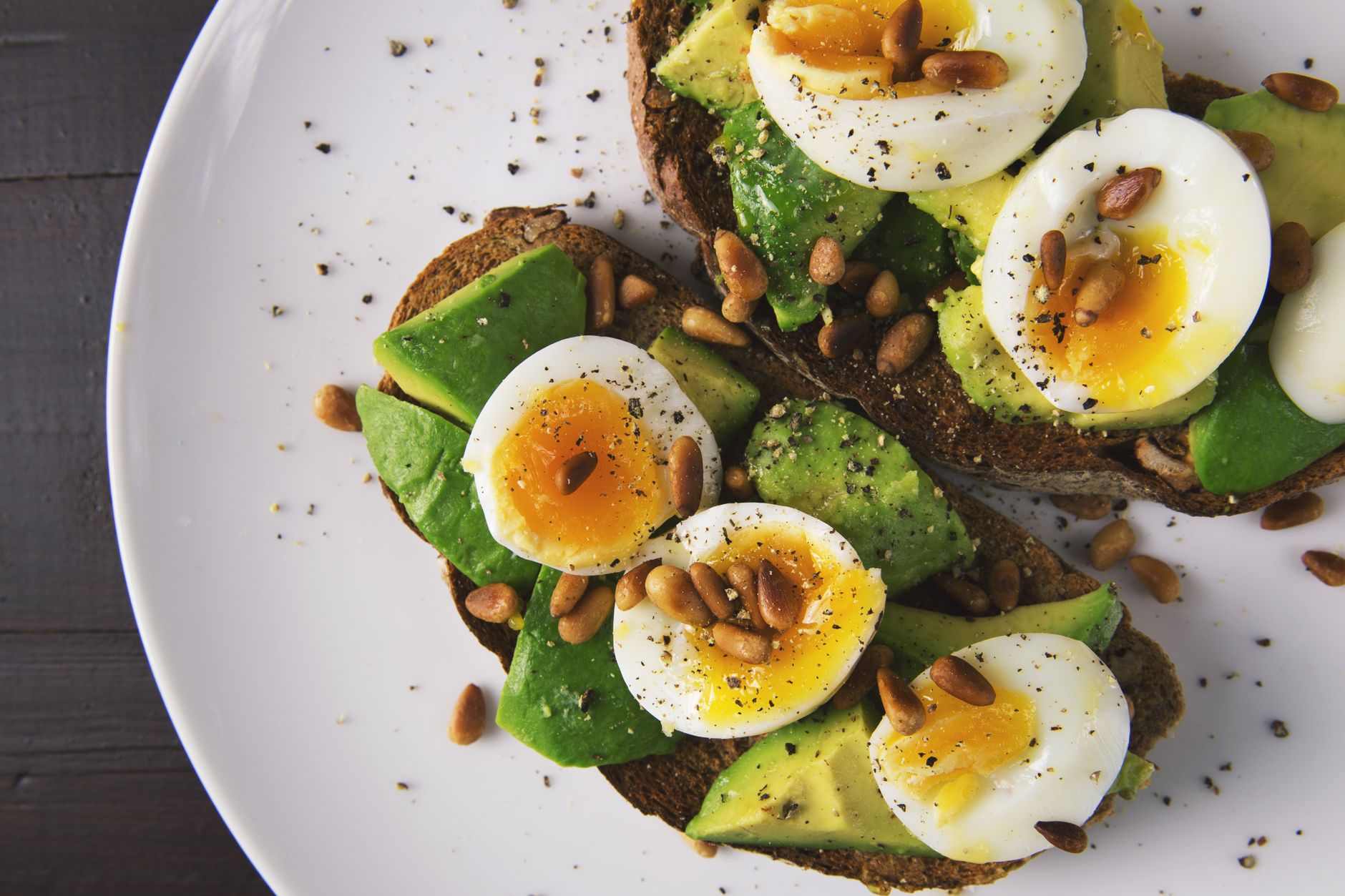
Choline is a vital nutrient that plays a key role in various bodily functions, including metabolism, liver function, and brain development. It is commonly found in a variety of foods, but many people might not be aware of its significance or the best sources to include in their diets.
This article will explore what choline is, where to find it, its nutritional value, and how to incorporate more choline-rich foods into your meals. Understanding choline can help you make informed choices about your diet and optimize your health.
What Is Choline In?
Choline is present in several foods, particularly those high in protein and specific plants. It is particularly abundant in eggs, meat, fish, dairy products, nuts, seeds, and certain vegetables. Moreover, legumes and whole grains also provide choline, making it accessible for those following various dietary preferences.
Understanding Choline
Biologically, choline is essential for the synthesis of acetylcholine, a neurotransmitter vital for muscle control and memory. Additionally, it supports the structure of cell membranes and lipid transport. The body produces some choline, but it is crucial to obtain adequate amounts from the diet.
Nutrition Facts About Choline
The daily recommended intake of choline varies based on age, gender, and life stage. Here are the general guidelines:
- Adult men: 550 mg
- Adult women: 425 mg
- Pregnant women: 450 mg
- Lactating women: 550 mg
Choline is classified as a water-soluble nutrient. Its content in food can vary widely. Some foods contain high levels, while others have negligible amounts.
Top Food Sources of Choline
Exploring choline-rich foods can help you effectively incorporate this nutrient into your diet. Below are the top sources:
1. Eggs
Eggs are among the richest sources of choline, with one large egg providing about 147 mg. They are versatile and can be used in various dishes, from breakfast to baking.
2. Meat
Beef, chicken, and turkey are excellent sources of choline. For example, a 3-ounce serving of beef liver contains approximately 356 mg of choline. Lean cuts of chicken and turkey also offer substantial amounts.
3. Fish and Seafood
Fish such as salmon, cod, and shrimp are notable choline sources. A 3-ounce serving of salmon can provide about 56 mg of choline.
4. Dairy Products
Milk, yogurt, and cheese contain choline, though in lower quantities compared to meats and eggs. For instance, one cup of whole milk has approximately 43 mg of choline.
5. Nuts and Seeds
Certain nuts and seeds, especially peanuts and sunflower seeds, are good sources. A 1-ounce serving of roasted peanuts contains about 24 mg of choline.
6. Vegetables
Vegetables such as broccoli, Brussels sprouts, and cauliflower contain choline, although the amounts are significantly lower than animal products. One cup of cooked broccoli provides around 63 mg of choline.
7. Legumes
Legumes like kidney beans and lentils also provide choline. A cup of cooked kidney beans contains approximately 6 mg of choline.
8. Whole Grains
Whole grains like quinoa, brown rice, and wheat germ contribute small amounts of choline. For instance, a cup of cooked quinoa has about 43 mg of choline.
How to Increase Choline in Your Diet
Incorporating choline-rich foods into your daily meals is practical and beneficial. Here are some suggestions on how to boost choline intake naturally:
- Start with Breakfast: Include eggs in your morning routine, whether scrambled, poached, or as an egg sandwich.
- Snacks: Opt for nuts or seed snacks rather than processed ones. Hummus with vegetables or whole-grain crackers is excellent, too.
- Lunch Options: Add chicken or turkey to salads or sandwiches, or incorporate choline-rich legumes into your meals.
- Dinner Choices: Serve fish or lean red meat as the main protein, accompanied by broccoli or Brussels sprouts.
- In Meals and Baking: Use eggs in baking recipes like pancakes or muffins, and consider incorporating whole grains.
Common Mistakes to Avoid
When aiming to increase choline intake, here are some common pitfalls to avoid:
- Ignoring Food Labels: Not paying attention to choline content on nutrition labels can lead to underestimating intake.
- Overlooking Plant Sources: Relying solely on animal products can limit your options. Incorporate plant sources, especially in vegetarian or vegan diets.
- Neglecting Cooking Methods: Some cooking methods can reduce nutrient content. Steaming or microwaving vegetables may retain more choline than boiling.
Choline Deficiency and Its Impact
A lack of adequate choline in the diet can lead to several health issues, including liver damage, muscle damage, and potential developmental problems in infants. Signs of deficiency may include:
- Fatigue and lethargy
- Memory issues
- Liver dysfunction
- Muscle damage
Choline Sources for Dietary Preferences
Accommodating different dietary preferences can make it simpler to ensure adequate choline intake.
For Vegetarians and Vegans
Vegans may focus on legumes, nuts, seeds, and whole grains to increase choline. For example, incorporating lentils, quinoa, and green vegetables will help maintain choline levels.
For Gluten-Free Diets
Individuals on a gluten-free diet can still find ample choline in eggs, dairy, vegetables, nuts, and gluten-free grains like quinoa and rice.
Paleo and Keto Diets
Both paleo and keto diets feature animal products rich in choline. Individuals on these diets can enjoy foods like eggs, fish, and meat freely.
Practical Tips for Meal Planning
To thrive on a choline-rich diet, effective meal planning can be beneficial in maintaining nutritional balance. Here are some ideas:
- Create a Weekly Menu: Plan meals that include eggs, meat, or fish at least a few times a week.
- Batch Cook: Prepare larger quantities of choline-rich dishes, such as chicken stir-fry or vegetable frittatas, to save time during the week.
- Explore New Recipes: Try experimenting with different choline sources, like making a quinoa salad topped with kidney beans and roasted vegetables.
- Consider Snacks: Stock up on choline-rich nuts for snacking or make hummus for quick personal dips.
Cooking Guidance for Choline-Rich Foods
Knowing how to prepare choline-dense foods properly can enhance flavors and retain nutrients. Here are tips for some choline sources:
Eggs
When cooking eggs, avoid using excessive heat which might cause loss of nutrients. Whether boiling, steaming, or frying, medium heat is best. Enjoy eggs seasoned to your preference!
Meat
Roasting, grilling, or baking meat are excellent methods that preserve flavor and nutrients. A meat thermometer can ensure proper cooking without drying out the meat.
Fish
Fish can be baked or grilled for added flavor. Pairing with herbs, lemon, or olive oil can create a delicious, nutritious meal.
Vegetables
When cooking vegetables, steaming or sautéing with a bit of oil can help retain their nutrients. Adding spices and herbs enhances flavor significantly.
Choline Supplements
While obtaining nutrients from food is ideal, choline supplements are available if dietary sources are insufficient. However, consultations with healthcare professionals are necessary before beginning any supplement regimen.
Storage Tips for Choline-Rich Foods
Proper storage of choline-rich foods can help maintain their freshness and nutritional value:
- Eggs: Store eggs in the refrigerator in their original carton to keep them longer.
- Meat and Fish: Keep raw meat and fish in the coldest part of the fridge and consume them within a few days or freeze if storing longer.
- Nuts and Seeds: Store in a cool, dry place, and consider refrigerating them to prolong freshness.
- Vegetables: Always wash produce before storage, and store them in a vented bag or container in the fridge.
Common Choline-Rich Recipes
Incorporating choline-rich foods into your diet can be delicious and fun. Here are some popular recipes to consider:
Choline-Packed Breakfast Scramble
Combine eggs, spinach, tomatoes, and cheese for a nutrient-rich breakfast. Simply scramble the ingredients and serve hot.
Salmon Salad
Mix canned salmon with Greek yogurt, mustard, and diced celery for a quick and satisfying lunch.
Vegetable Stir-Fry
Sauté broccoli, tofu, and bell peppers in olive oil with your choice of spices. Serve over brown rice for a wholesome dinner.
Summary
Choline is an essential nutrient that plays a crucial role in health, particularly in brain and liver function. By understanding where to find choline and how to include it in your diet, you can significantly enhance your nutritional intake.
A great next step is to explore adding diverse choline-rich foods into your meal planning to ensure you meet daily recommendations. Consider checking out more about the benefits of chia seeds and a chia pudding recipe with coconut milk for a nutrient-rich dessert option.