
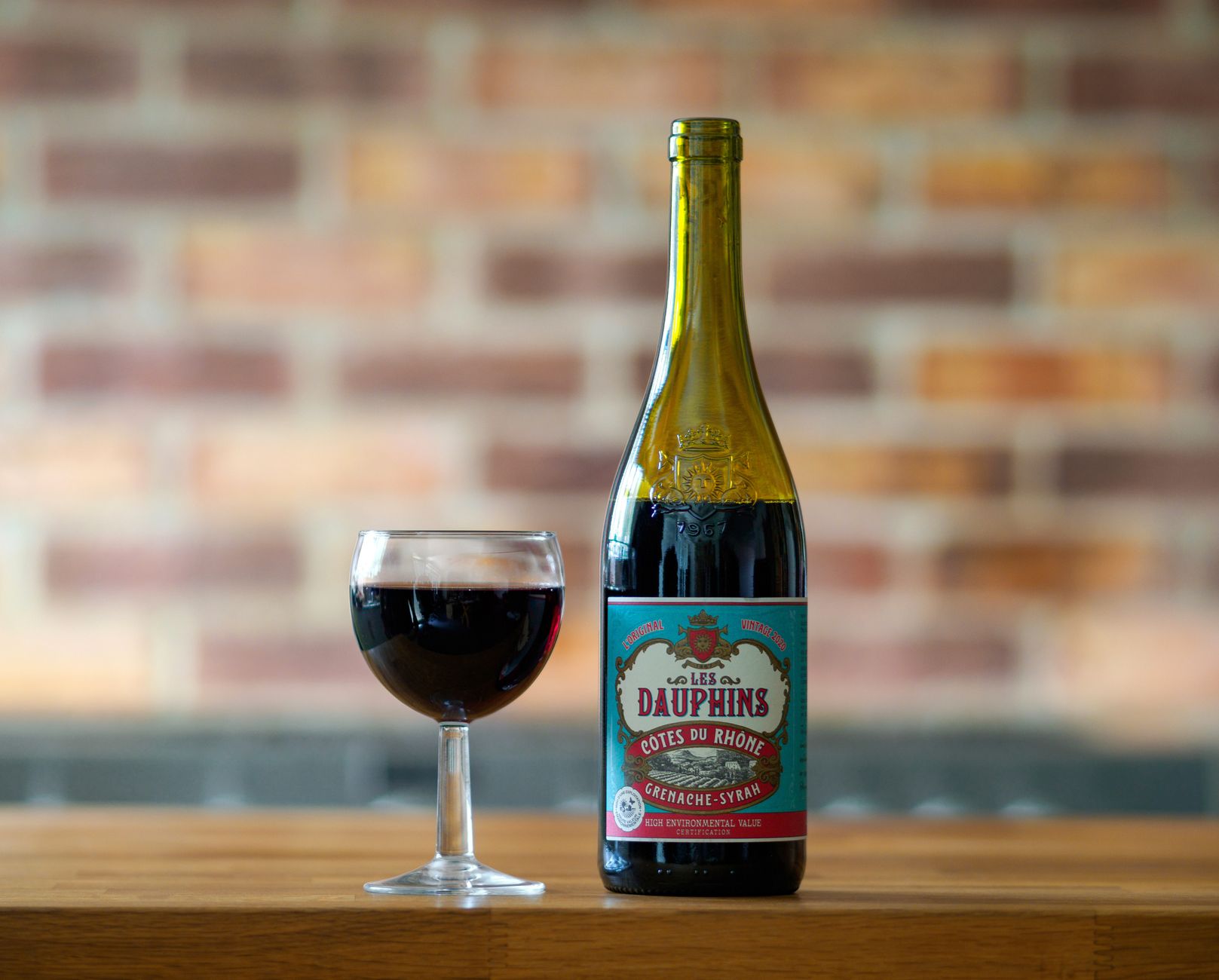
Syrah wine, also known as Shiraz in some regions, is a full-bodied red wine celebrated for its rich texture and complex flavors. Originating from the Rhône region of France, it has gained global popularity and is produced in various wine regions, including Australia, California, and South Africa. Understanding the ingredients, flavor profile, and the best ways to serve Syrah can enhance your wine experience, whether you’re enjoying it with a meal or on its own.
This guide delves into the intricacies of Syrah wine, including its primary ingredients, tasting notes, and how to best serve and pair it with food. Whether you are a novice wine enthusiast or a seasoned connoisseur, this information will help you appreciate this remarkable wine even more.
What Is Syrah Wine?
Syrah wine is a red wine variety derived from the Syrah grape, known for its deep color and full-bodied structure. It typically exhibits a balance of fruitiness, earthiness, and spice, making it a versatile choice for wine lovers. The name “Syrah” is most commonly used in France and northern Rhône, whereas “Shiraz” is predominantly used in Australia and South Africa.
Ingredients in Syrah Wine
While the primary ingredient in Syrah wine is the Syrah grape, several factors contribute to its overall flavor profile and character. Here are the key components:
- Syrah Grapes: The main ingredient, these grapes thrive in warm climates and are known for their thick skin, which contributes to the wine’s deep color and tannin structure.
- Yeast: Essential for fermentation, yeast converts the sugars in the grape juice into alcohol. Winemakers may use wild yeast or cultured yeast strains to impart unique flavors.
- Oak Barrels: Many Syrah wines are aged in oak barrels, which impart additional flavors such as vanilla, toast, and spices, enhancing the complexity of the wine.
- Additional Blending Grapes: Depending on the region, Syrah may be blended with other grape varieties to round out its flavor profile. Common blends include Grenache, Mourvèdre, and Viognier.
Flavor Profile of Syrah Wine
The flavor profile of Syrah wine can vary significantly based on factors like the grape’s geographic origin, climate, and winemaking techniques. Typically, you can expect:
- Fruity Notes: Syrah wines are often characterized by dark fruit flavors, such as blackberry, plum, and black cherry. In some regions, you may also detect red fruit notes like raspberry.
- Spicy Undertones: Many Syrahs exhibit a peppery or spicy quality, with descriptors ranging from black pepper and clove to cinnamon, depending on the specific wine.
- Herbal and Earthy Elements: Subtle hints of herbs like lavender or rosemary, along with earthier notes reminiscent of leather or forest floor, add depth to the wine.
- Oak Influences: Depending on the aging process, Syrah may display flavors of vanilla, cocoa, or toasty oak, lending richness to its overall palate.
How to Serve Syrah Wine
Serving Syrah wine correctly enhances its flavors and aromas, making for a more enjoyable drinking experience. Here are some tips on how to serve this wine:
Temperature
The ideal serving temperature for Syrah is between 60°F and 65°F (15°C to 18°C). Serving it too cold can mute the complex flavors, while serving it too warm can emphasize the alcohol. To achieve the right temperature, consider chilling the bottle in the refrigerator for about 30 minutes before serving.
Glassware
Use a large, bulbous red wine glass to serve Syrah. The wider mouth allows for proper aeration, which can soften the tannins and release the wine’s aromatic compounds. This style of glass also helps concentrate the wine’s aromas, enhancing your tasting experience.
Aeration
Many Syrah wines benefit from aeration, as exposing the wine to air can help mellow strong tannins and emphasize its flavors. Consider decanting the wine for at least 30 minutes before serving to allow it to breathe. If you don’t have a decanter, you can swirl the wine in your glass to aerate it slowly.
Food Pairing with Syrah Wine
Syrah’s bold flavors and structured tannins make it an excellent companion for a variety of dishes. Here are some classic pairings:
Meats
- Grilled Meats: The smoky, charred flavors of grilled lamb, beef, or pork complement the spiciness of Syrah.
- Roasted or Braised Meats: Dishes like beef stew, osso buco, or braised short ribs enhance the wine’s earthy notes.
- Game Meats: Dishes featuring venison or wild boar pair wonderfully with Syrah, as the wine’s robust flavors stand up to these rich meats.
Pasta Dishes
Pasta dishes that incorporate hearty sauces, such as marinara or bolognese, can harmonize with the wine’s fruitiness and acidity. Syrah also pairs well with dishes featuring mushrooms or roasted vegetables.
Cheeses
When selecting cheeses to accompany Syrah, opt for aged cheeses like aged cheddar or gouda. The richness of these cheeses complements the wine’s structure nicely.
Spices and Herbs
Syrah also pairs beautifully with dishes featuring warm spices like cumin or cinnamon, highlighting the wine’s spicy undertones. Mediterranean dishes with olive oil, garlic, and rosemary work especially well.
Common Mistakes When Serving Syrah
When enjoying Syrah wine, a few common mistakes can detract from the experience:
- Serving at the Wrong Temperature: Serving Syrah too cold or too warm can inhibit its flavors. Aim for the optimal serving temperature to unlock its full potential.
- Not Decanting: Failing to allow the wine to breathe can lead to a less enjoyable tasting experience. Decanting can significantly enhance the wine’s complexity.
- Pairing with Mild Dishes: Syrah’s bold flavors can overwhelm delicate dishes. Instead, choose heartier foods that can stand up to the wine’s intensity.
Popular Regions for Syrah Wine
Syrah is produced in various regions around the world, each offering unique characteristics based on local climate, soil, and winemaking practices. Here are some notable regions:
France
- Rhône Valley: The spiritual home of Syrah, where it is used in the prestigious Côte-Rôtie and Hermitage appellations. Here, it often exhibits earthy and floral notes.
- Southern Rhône: In blends such as Châteauneuf-du-Pape, Syrah is combined with Grenache and Mourvèdre, showcasing ripe fruit flavors and bold spices.
Australia
- Barossa Valley: Known for its Shiraz, this region produces bold, fruit-forward wines that often feature chocolate and spice notes.
- McLaren Vale: Here, Shiraz wines are typically rich and full-bodied, with a strong fruit presence complemented by subtle oak influence.
United States
- California: In regions like Paso Robles and Sonoma, Syrah thrives and is often blended with other varietals. Expect fruit-dominant wines with a balance of acidity and tannin.
- Washington: Known for its robust Syrah wines, often characterized by peppery spice and dark fruit flavors.
Conclusion
Syrah wine is a diverse and flavorful choice that can elevate any meal or occasion. By understanding its ingredients, flavor profile, and how to serve it properly, you can make the most out of your Syrah experience. Remember to pair it with hearty dishes to enhance its bold characteristics, and don’t shy away from experimenting with local variations.
Explore the world of wine by pairing Syrah with your favorite dishes, or dive deeper into other varieties to find your perfect match.