
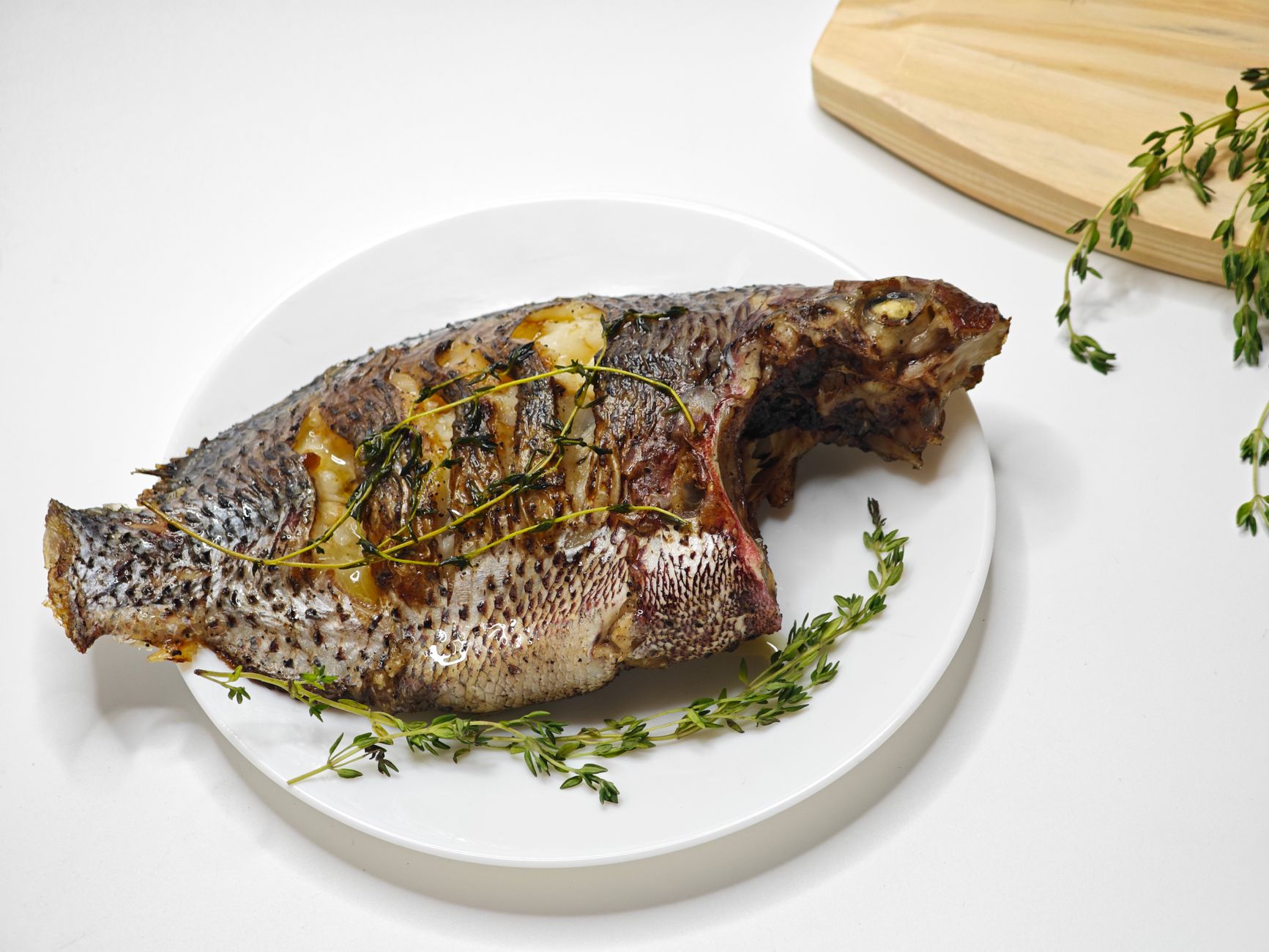
Tilapia is one of the most popular fish consumed worldwide, often found on grocery store shelves and restaurant menus. But as its popularity has surged, questions have arisen about its origins, leading many to wonder: is tilapia a man-made fish? This article delves into the origins of tilapia, its production, and its culinary uses.
Understanding whether tilapia is man-made involves exploring its species diversity, farming practices, and how it fits into the broader context of aquaculture. Let’s break down these aspects and discover what makes tilapia a significant fish in the culinary world.
Is Tilapia a Man Made Fish?
No, tilapia is not a man-made fish, but it has been significantly influenced by human intervention. The fish belongs to the cichlid family and consists of several species native to Africa and the Middle East. Over the years, selective breeding and aquaculture practices have intensified the tilapia farming industry, enhancing certain traits like growth rate, taste, and adaptability to farm conditions.
The Origins of Tilapia
Tilapia boasts a varied lineage, with different species originating from African and Middle Eastern waters. The most common species cultivated today include:
- Oreochromis niloticus (Nile tilapia) – the most widely farmed species.
- Oreochromis aureus (blue tilapia) – known for its resilience in various farming environments.
- Tilapia zilli – popular in aquaculture due to its fast growth rates.
- Oreochromis mossambicus (Mozambique tilapia) – often used in breeding programs.
While these species are not man-made, aquaculture has led to selective breeding to achieve desirable characteristics such as faster growth and better disease resistance. This practice enhances the overall quality of the fish available in markets.
Tilapia Farming Practices
Aquaculture refers to the farming of fish, crustaceans, and other aquatic organisms. Tilapia farming is a significant segment of aquaculture and employs various techniques to maximize production. Here are some common tilapia farming practices:
- Intensive Farming: This method involves raising a large number of fish in a controlled environment, often using recirculating systems to minimize water waste.
- Extensive Farming: This approach relies on natural water bodies like ponds or lakes, where fish grow by foraging on natural resources.
- Integrated Systems: These systems combine tilapia farming with other agricultural practices, such as growing crops or raising other fish species, to improve sustainability and efficiency.
The Role of Selective Breeding
Selective breeding plays a crucial role in tilapia farming. Farmers often choose fish with desirable traits to breed, leading to offspring that grow faster and are more resistant to diseases. This process has given rise to hybrid varieties that outperform their parent stocks in growth rates and adaptability.
For instance, the Tilapia “Genetically Improved Farmed Tilapia” (GIFT) program is a well-known initiative that combines wild tilapia strains through selective breeding. The result is a fish that not only grows faster but also has improved feed efficiency, contributing to better yields for farmers.
The Culinary Appeal of Tilapia
Tilapia’s rise in popularity is largely due to its mild flavor and versatility in the kitchen. Its delicate taste allows it to take on various seasonings and cooking methods, making it a favorite among home cooks and professional chefs alike. Here are some culinary aspects of tilapia:
Texture and Flavor
Tilapia has a mild, slightly sweet flavor that pairs well with a wide range of ingredients. Its flaky white flesh has a moist texture, making it ideal for grilling, baking, frying, and even steaming. Here’s how different cooking techniques enhance the fish’s characteristics:
- Grilling: Grilling tilapia gives it a smoky flavor while keeping the fish moist. Pair with citrus-based marinades for added zing.
- Baking: Baking allows for easy preparation, seasoned with herbs, spices, or sauces. Baking in parchment paper steams the fish for a tender result.
- Frying: Frying gives a crispy exterior while keeping the inside flaky and moist. A light batter complements the fish’s natural flavors.
- Steaming: Steamed tilapia retains moisture and offers a healthier option; serve with soy sauce and ginger for an Asian-inspired dish.
Common Ingredients to Pair with Tilapia
Due to its versatile flavor, tilapia can be paired with various ingredients. Here are popular combinations that work well:
- Herbs: Dill, cilantro, parsley, and basil enhance tilapia’s freshness.
- Citrus: Lemon, lime, and orange brighten the dish, balancing the fish’s mild taste.
- Spices: Paprika, cumin, and pepper add depth and warmth to the flavor profile.
- Sauces: Tartar sauce, tomato-based sauces, or a light vinaigrette create a beautiful harmony.
Common Cooking Techniques for Tilapia
Whether you’re a beginner or an experienced cook, knowing how to prepare tilapia in various ways will expand your culinary repertoire. Here are some popular methods that can enhance your cooking experience:
Pan-Seared Tilapia
Pan-searing tilapia brings out its natural flavors and creates a pleasant texture.
Ingredients:
- 2 tilapia fillets
- 2 tablespoons olive oil
- Salt and pepper to taste
- 1 lemon, sliced
- Optional: fresh herbs for garnish
Method:
- Heat olive oil in a skillet over medium heat.
- Season tilapia fillets with salt and pepper.
- Place fillets in the pan and sear for about 3-4 minutes on each side, or until they are golden brown and cooked through.
- Serve with lemon slices and garnish with fresh herbs.
Baked Tilapia with Vegetables
Baking is a healthy and effortless way to enjoy tilapia.
Ingredients:
- 4 tilapia fillets
- 2 cups mixed vegetables (bell peppers, zucchini, and cherry tomatoes)
- 3 tablespoons olive oil
- 1 teaspoon garlic powder
- Salt and pepper to taste
Method:
- Preheat the oven to 400°F (200°C).
- Arrange mixed vegetables on a lined baking sheet.
- Drizzle with olive oil, and season with garlic powder, salt, and pepper.
- Place tilapia fillets on the vegetables and drizzle with some additional olive oil.
- Bake for 15-20 minutes or until the fish flakes easily with a fork.
Nutritional Profile of Tilapia
While specific nutritional values can vary, tilapia is generally considered a healthy protein choice. Here are some common attributes:
- Low in calories: Tilapia typically contains fewer calories compared to other protein sources, making it suitable for weight management.
- Rich in protein: A standard serving can provide a significant amount of protein, supporting muscle growth and repair.
- Low in saturated fat: Tilapia is low in saturated fat, making it a heart-healthy option.
However, it is essential to consume it in moderation and consider sourcing because farmed tilapia may contain higher omega-6 fatty acids compared to wild catches which is worth checking based on dietary preferences.
Concerns About Tilapia
While tilapia is widely consumed, there are concerns surrounding its farming practices and health implications:
Environmental Impact
The rise of the tilapia farming industry has raised some environmental issues. Intensive farming practices can lead to water pollution and habitat destruction, especially when farms are not managed sustainably. Choosing tilapia from eco-friendly sources or certifications can help mitigate this impact.
Health Concerns
Concerns have also been raised regarding the potential for farmed tilapia to have higher levels of omega-6 fatty acids due to their feed, which might contribute to inflammation in some individuals compared to other fish such as salmon, which are high in omega-3 fatty acids. Opting for sustainably farmed or wild-caught options may provide peace of mind and better health outcomes.
Storing and Reheating Tilapia
Proper storage is crucial to maintain the freshness and quality of tilapia. Here are essential storage tips:
- Refrigeration: Store raw tilapia in the fridge in a sealed container or wrapped in plastic. It should be consumed within 1-2 days.
- Freezing: To extend its shelf life, freeze tilapia fillets in an airtight bag. Properly frozen, it can last up to six months.
- Thawing: Thaw frozen tilapia in the refrigerator overnight or using the microwave’s defrost setting.
For reheating, avoid overcooking to preserve flavor and texture. Reheat baked or grilled tilapia in the oven at 350°F (175°C) for about 10-15 minutes or until heated through, ensuring to cover it with foil to prevent drying out.
Conclusion
Tilapia, while not a man-made fish, has been cultivated and selectively bred to meet the demands of consumers. Its versatility, mild flavor, and diverse cooking applications make it a mainstay in kitchens worldwide. A responsible approach to sourcing and cooking tilapia can ensure that it remains a healthy, sustainable food choice.
To explore more about cooking times for tilapia, check out our guide on how long to cook tilapia. Discover more useful recipes and elevate your culinary skills with tilapia as your star ingredient.