
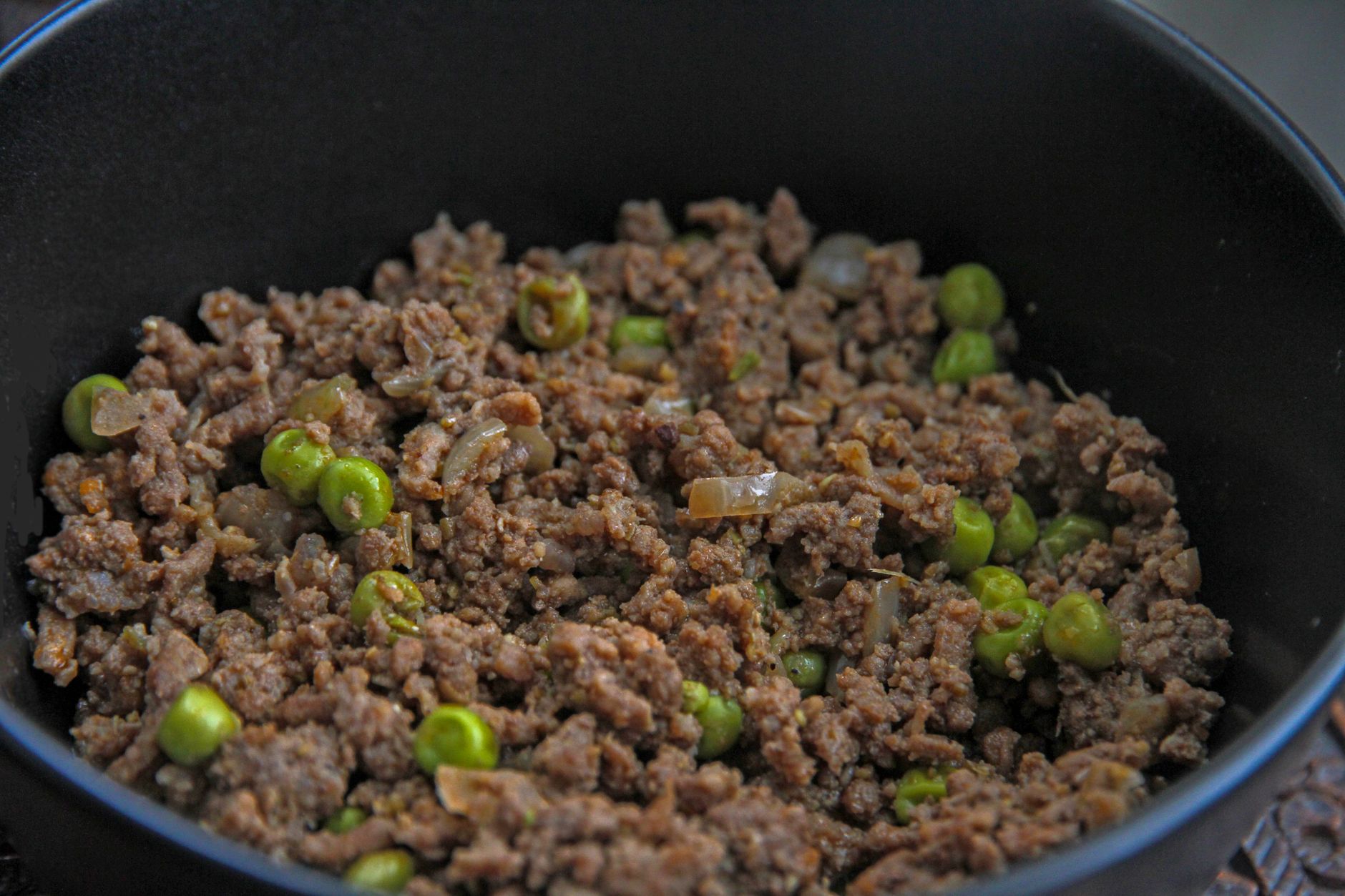
When considering dietary choices that may help manage inflammation, ground beef often comes up in discussions. This article delves into whether ground beef has any anti-inflammatory properties, along with essential dietary considerations for incorporating it into your meals.
Ground beef is a versatile ingredient commonly used in various cuisines. With its rich texture and flavor, it can be a satisfying addition to dishes. However, it is important to understand its nutritional profile and how it interacts with inflammation.
Is Ground Beef Anti Inflammatory?
No, ground beef is not generally considered anti-inflammatory. While it can be part of a balanced diet, several factors influence its impact on inflammation. The nutritional composition, the type of beef, preparation methods, and overall dietary habits play significant roles in determining whether ground beef contributes to or alleviates inflammation in the body.
Nutritional Profile of Ground Beef
Ground beef primarily consists of protein and fat but can vary significantly depending on the cut of meat used and the leanness of the grind. Let’s break down its nutritional aspects:
- Protein: Ground beef is an excellent source of complete protein, which is crucial for muscle repair and overall bodily functions.
- Fat Content: The fat content can range from lean (about 10% fat) to regular (up to 30% fat). Higher fat content means more saturated fats, which can affect inflammation.
- Vitamins and Minerals: Ground beef is rich in essential nutrients, including iron, zinc, and B vitamins (like B12), which support overall health.
Understanding Inflammation
Inflammation is a natural response of the body to injury or infection. However, chronic inflammation can lead to health issues such as heart disease, diabetes, and other inflammatory conditions. Factors contributing to chronic inflammation include diet, physical activity, stress, and sleep quality.
To manage inflammation, many nutrition experts recommend focusing on an anti-inflammatory diet rich in fruits, vegetables, whole grains, healthy fats, and lean proteins. So where does ground beef fit into this dietary landscape?
The Role of Saturated Fats
Saturated fats, commonly found in beef, have been linked to increased levels of inflammation. The relationship between saturated fat and inflammation is complex. While moderate consumption of saturated fats may not have an adverse effect, excessive intake can lead to higher levels of inflammatory markers in the blood. Therefore, the type of ground beef consumed and portions matter.
Choosing Leaner Cuts
When selecting ground beef, look for options that are labeled as “lean” (90% lean or higher). Leaner ground beef varieties contain less fat, and subsequently, lower amounts of saturated fats, which can help reduce the potential inflammatory effects:
- Ground sirloin: A popular option with a good balance of flavor and lower fat.
- Round or extra-lean ground beef: These cuts are leaner and often lower in calories.
Cooking Methods Matter
In addition to the type of ground beef selected, cooking methods can influence its health effects. Here are some healthier cooking methods that mitigate inflammatory potential:
- Grilling or baking: These methods allow excess fat to drip away from the meat.
- Stir-frying with vegetables: Incorporating colorful vegetables can enhance the meal’s anti-inflammatory properties.
- Slow-cooking: Using a slow cooker can help break down tougher cuts without adding excessive fats.
Pairing Ground Beef with Anti-Inflammatory Foods
The overall impact of ground beef on inflammation may be reduced when paired with anti-inflammatory foods. Here are some suggestions for creating balanced meals:
- Fruits and vegetables: Add spinach, kale, bell peppers, or berries to your ground beef dishes for their rich antioxidant content.
- Whole grains: Serve ground beef with quinoa, brown rice, or whole-grain pasta, which provide fiber and nutrients.
- Healthy fats: Incorporate omega-3 fatty acids by adding olive oil or serving the dish with avocados.
Meal Ideas Featuring Ground Beef
Considering the above factors, here are several meal ideas that feature ground beef while promoting a more balanced approach:
1. Ground Beef and Vegetable Stir-Fry
This dish combines lean ground beef with a variety of colorful vegetables and whole grains, offering a satisfying and nutritious meal.
- Cooking Time: 25 minutes
- Servings: 4
Ingredients:
- 1 lb lean ground beef
- 2 cups mixed vegetables (bell peppers, broccoli, carrots)
- 2 tbsp olive oil
- 2 cloves garlic, minced
- 2 tsp fresh ginger, minced
- 4 cups cooked brown rice or quinoa
- 2 tbsp low-sodium soy sauce
- Salt and pepper to taste
Method:
- In a large skillet, heat olive oil over medium heat. Add garlic and ginger, sautéing until fragrant.
- Increase the heat to medium-high and add lean ground beef, breaking it apart and cooking until browned.
- Add mixed vegetables and soy sauce, stirring to combine. Cook until vegetables are tender, about 5-7 minutes.
- Serve over cooked brown rice or quinoa, adding salt and pepper to taste.
2. Spiced Ground Beef Lettuce Wraps
These wraps are a fun and healthy way to enjoy ground beef while incorporating plenty of fresh vegetables.
- Cooking Time: 20 minutes
- Servings: 4
Ingredients:
- 1 lb lean ground beef
- 1 tbsp olive oil
- 1 onion, diced
- 1 bell pepper, diced
- 1 cup shredded carrots
- 1 tbsp chili powder
- 1 tsp cumin
- 1 head of butter lettuce or romaine, separated into leaves
- Sliced avocado and fresh cilantro for garnish
Method:
- Heat olive oil in a skillet over medium heat, then sauté diced onion and bell pepper until softened.
- Add ground beef, cooking until browned. Stir in chili powder and cumin, followed by the shredded carrots. Cook for another 5 minutes.
- Serve the spiced beef mixture in lettuce leaves, garnishing with sliced avocado and cilantro.
Common Mistakes and Troubleshooting
When working with ground beef, there are a few common pitfalls to avoid to ensure a healthier and more enjoyable meal:
- Using high-fat ground beef too frequently without balancing it with vegetables and whole grains can increase inflammation.
- Overcooking ground beef can make it dry and less palatable; using low to medium heat helps retain moisture.
- Neglecting to include fiber-rich ingredients (like vegetables) can make meals less satisfying and contribute to unhealthy eating patterns.
Storage and Leftover Considerations
Proper storage of ground beef is crucial to ensure food safety and prevent spoilage. Here are some tips:
- Raw ground beef can be stored in the refrigerator for 1 to 2 days. Cooked ground beef can last 3 to 4 days when stored properly.
- For longer storage, freeze ground beef in airtight packaging. It can be kept in the freezer for 3 to 4 months.
- When reheating cooked ground beef, ensure it reaches an internal temperature of 165°F to be safe for consumption.
Final Thoughts on Ground Beef and Inflammation
Ground beef can be a part of a balanced diet when eaten mindfully and paired with anti-inflammatory foods. Focusing on lean cuts, healthier cooking methods, and incorporating plenty of vegetables can help mitigate any negative impact on inflammation.
To make the most of ground beef in your cooking, consider experimenting with different recipes, cooking methods, and ingredient pairings to create nutrient-rich meals.
For more recipes and insights on ground beef storage, check out how long ground beef is good for in the fridge or try out our Mongolian ground beef recipe for a delicious twist.