
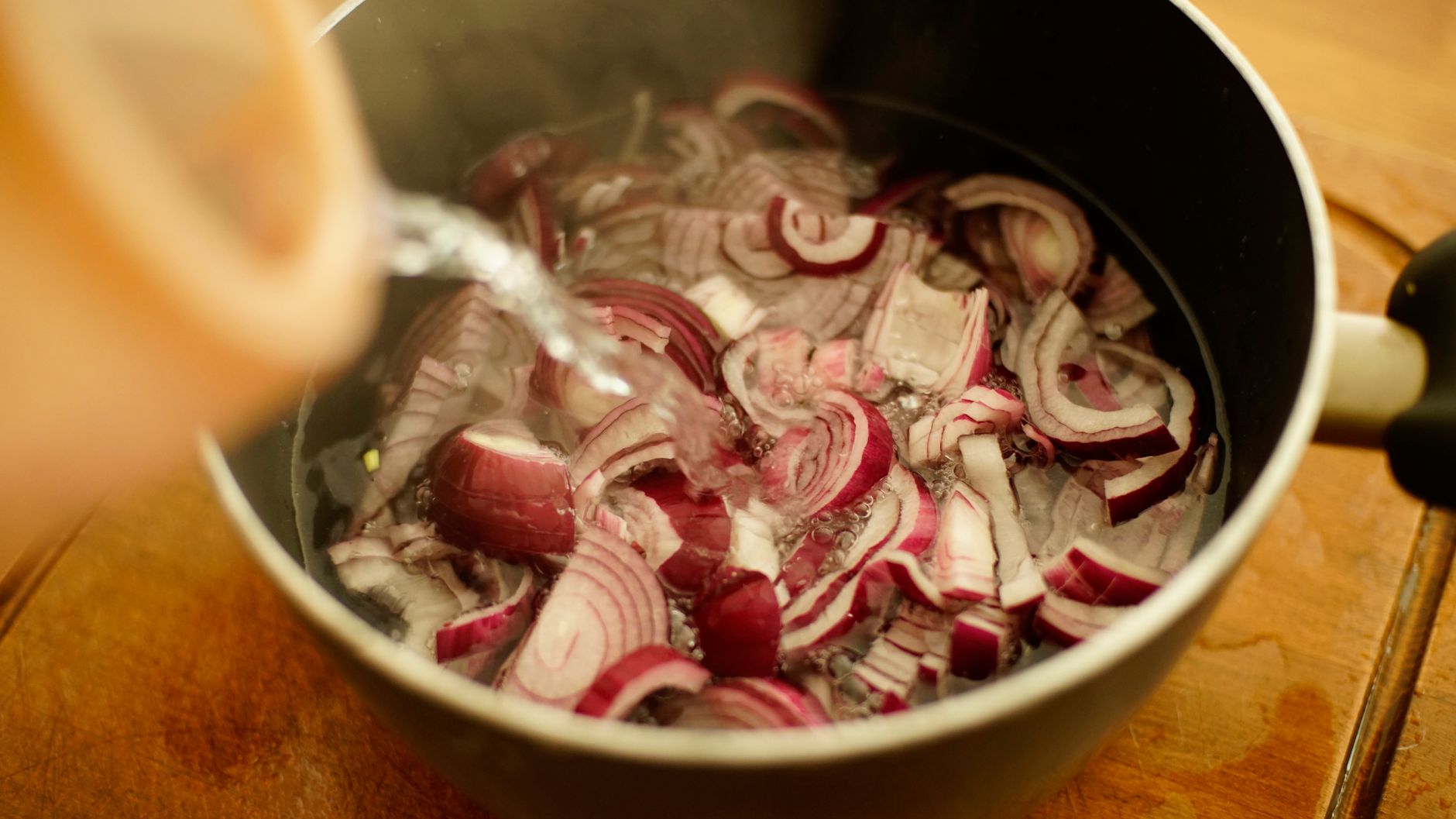
Boiling onions is a fundamental cooking technique that can enhance the flavor and texture of many dishes. Whether you’re preparing a savory broth, a flavorful sauce, or simply softening onions for a recipe, knowing how long to boil onions is essential for achieving the desired outcome.
This guide will provide you with details on the appropriate boiling times for various types of onions, how to check for doneness, and tips for achieving optimal flavor and texture.
How Long to Boil Onions?
The time it takes to boil onions can vary based on the type of onion and how you plan to use them. In general, boiling onions for 10 to 15 minutes will yield tender, translucent results, while 20 minutes or more will produce softer and sweeter flavors. Factors such as onion size and whether they are whole or sliced affect cooking time.
Types of Onions and Their Boiling Times
Onions come in various types, each with unique flavors and textures. Below are the common types of onions and their recommended boiling times:
- Yellow Onions: These are the most common type of onion. Boil whole yellow onions for 20 to 30 minutes or sliced onions for 10 to 15 minutes.
- Red Onions: Slightly sweeter, red onions are excellent in salads and salsas. They can be boiled whole for 20 to 30 minutes, or sliced for 10 to 15 minutes.
- White Onions: Crisp and pungent, white onions are great for cooking and can be boiled whole for 20 to 30 minutes or sliced for 10 to 15 minutes.
- Sweet Onions: Varieties like Vidalia and Walla Walla have high sugar content. Boil whole for 15 to 25 minutes and sliced for 8 to 12 minutes.
- Shallots: These small onions are milder in flavor. They require only 5 to 10 minutes of boiling.
Preparing Onions for Boiling
Before boiling, prepare your onions to ensure even cooking:
- Peel the Onion: Remove the outer skin of the onion. Rinse under cold water to remove any lingering dirt.
- Trim the Ends: Cut off both ends of the onion before boiling; this will help them cook uniformly.
- Slice or Keep Whole: Depending on the dish and your preference, slice the onion into rings or wedges, or leave it whole for certain applications.
Steps for Boiling Onions
Follow these steps for boiling onions effectively:
- Choose a Pot: Select a pot large enough to fit all the onions you intend to boil with enough water to cover them.
- Add Water: Fill the pot with enough water to submerge the onions completely. Add a pinch of salt for flavor.
- Bring to a Boil: Heat the water over high heat until it reaches a rolling boil.
- Add the Onions: Carefully add the prepared onions to the boiling water.
- Adjust Heat: Reduce the heat slightly to maintain a gentle boil, not a vigorous rolling boil that could break down the onions too quickly.
- Set a Timer: Based on the type of onion and cut, set a timer for the appropriate boiling time.
- Check Doneness: Use a fork or knife to test for tenderness. The onions should be soft but not mushy.
- Remove From Water: Once boiled to your desired tenderness, use a slotted spoon to remove the onions or drain them in a colander.
- Cool and Use: If using later, allow the boiled onions to cool, then store them in an airtight container in the refrigerator.
Doneness Checks for Boiled Onions
To ensure your onions are cooked to perfection, check for doneness using the following cues:
- Tenderness: A fork or knife should easily penetrate the onion. If there’s resistance, continue boiling and check every few minutes.
- Color: Onions should appear translucent and soft when fully cooked, losing their crunchy texture.
- Flavor: Taste a small piece; fully cooked onions should have a mild sweetness. If they still taste pungent, they need more time.
Practical Uses for Boiled Onions
Boiled onions can enhance a variety of dishes. Here are some practical uses:
- Soups and Broths: Adding boiled onions to stock enhances flavor.
- Mashed Potatoes: Mix boiled onions into mashed potatoes for added depth.
- Casseroles: Incorporate them into casseroles for sweetness and texture.
- Salads: Boiled onions can be cooled and added to salads for a softer, sweeter flavor.
- Sauces and Gravies: Puree boiled onions into sauces or gravies for a smoother consistency.
Tips for Perfectly Boiled Onions
Enhancing your boiling technique can yield better results. Here are some essential tips:
- Uniform Size: Cut onions into uniform pieces to ensure even cooking.
- Shock in Ice Water: For recipes that call for crunchy onion texture, rapidly cool boiled onions in ice water immediately after cooking.
- Infuse Flavor: Add herbs or spices to the boiling water for flavored onions.
- Use Onion Skins: Adding onion skins (if washed) to the boiling pot can infuse flavor and add color to the water, ideal for stock.
Common Mistakes When Boiling Onions
A few common mistakes can occur during the boiling process. Being aware can help you avoid them:
- Overcooking: Boiling onions for too long can cause them to become mushy, so monitor their doneness closely.
- Inadequate Water: Not adding enough water can result in uneven cooking. Ensure onions are submerged fully.
- Underseasoning: Adding a pinch of salt enhances flavor. Don’t skip this step!
- Ignoring Types: Different onion types have different boiling times. Always refer to the guidelines for accurate timing.
Storage and Reheating Boiled Onions
If you have leftover boiled onions, proper storage and reheating are essential to maintain their quality:
- Cool Down: Allow boiled onions to cool completely before storing.
- Store in Containers: Place them in an airtight container in the refrigerator, where they can last for up to a week.
- Freezing: For longer storage, freeze boiled onions in freezer-safe bags for up to three months.
- Reheat Gently: To reheat, place in a microwave or on the stove with a little water until warmed through but not overcooked.
Flavor Variations and Substitutions
Boiling is versatile, and you can experiment with different flavors and substitutions:
- Garlic: Add garlic cloves to the boiling water for additional depth.
- Herbs: Toss in fresh herbs like thyme or parsley while boiling for added fragrance.
- Vegetable Broth: Replace water with vegetable broth to enhance the flavor profile of your boiled onions.
- Other Root Vegetables: Boil carrots or potatoes along with onions for a complete side dish.
Conclusion
Knowing how long to boil onions is a valuable skill that can elevate your cooking. With the right technique, you can achieve the perfect balance of softness and flavor, enhancing countless dishes. Don’t hesitate to experiment with boiling times based on your preferences and the dish you are preparing.
For more culinary explorations, consider trying a creamy onions recipe or one featuring Tennessee onions for a delightful twist on a classic dish.