
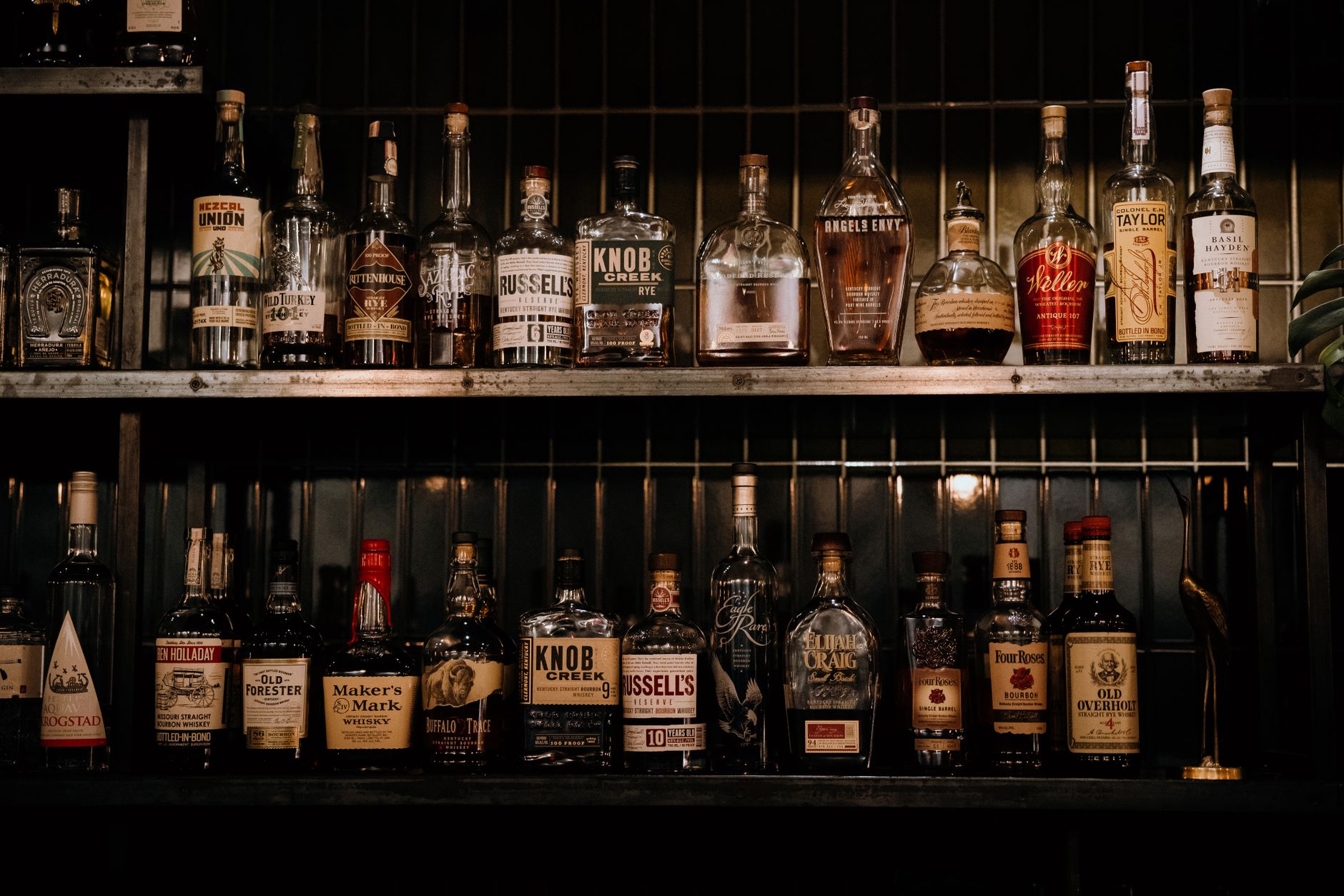
Distillation is a fascinating process that dramatically transforms ingredients into a concentrated and refined product. Most commonly associated with spirits and liqueurs, distillation also plays a crucial role in various culinary applications, from essential oils to vinegar. In this article, we will delve into what distilled means, the ingredients used, their flavors, and how to serve distilled beverages or products effectively.
Understanding the art of distillation opens up a world of flavors and culinary possibilities. You will gain insights into the process itself and how it enhances different ingredients, enabling you to appreciate diverse offerings and even consider experimenting with distillation in your own kitchen.
What Is Distilled?
Distilling refers to the process of heating a liquid to create vapor, then cooling that vapor to produce a liquid again. This method leverages differences in boiling points to separate components of a mixture, concentrating desired flavors and aromas. Typically associated with spirits like whiskey, vodka, and gin, distillation can also apply to everyday ingredients used in cooking and flavorings.
The Distillation Process
The distillation process involves several key steps, which help separate constituents based on their boiling points. Here’s a breakdown:
- Heating: The liquid mixture is heated in a still where it vaporizes. The components with lower boiling points will evaporate first.
- Vaporization: As the mixture boils, the vapors rise through the still, often passing through materials that enhance flavor, such as herbs or fruits.
- Condensation: The vapor is then cooled, typically through a cooling coil. As it cools, it converts back into liquid, separating itself from components that did not vaporize.
- Collection: The condensed liquid, now distilled, is collected in a separate container.
Common Ingredients in Distillation
Virtually any liquid can undergo distillation, but some common ingredients include:
- Grains: Barley, corn, rye, and wheat are used in many distilled spirits like whiskey and vodka.
- Fruits: Apples, grapes, and berries can be distilled into brandies and liqueurs.
- Herbs and Spices: Naturally flavored spirits, such as gin, often incorporate botanicals.
- Sugarcane: A primary ingredient in rum, sugarcane’s juice or molasses can be distilled.
- Vegetables: Some beetroot distillates have recently gained popularity in niche spirits.
Flavor Profiles of Distilled Products
The flavors of distilled products vary significantly based on their original ingredients and the distillation process used. Here are some general flavor profiles:
- Whiskey: Rich, hearty flavors with notes of caramel, vanilla, and smokiness, depending on wood aging.
- Vodka: Clean and neutral, often considered a blank canvas for cocktails.
- Gin: Herbal and floral notes, particularly pronounced with botanicals like juniper, coriander, and citrus.
- Brandy: Sweet and fruity flavors, often with a warm, luscious mouthfeel.
- Rum: Sweet and rich flavor profiles featuring molasses or sugarcane characteristics, often with hints of spice and caramel.
How to Serve Distilled Beverages
Serving distilled beverages correctly enhances their flavors and overall experience. Here are practical guidelines for popular distilled drinks:
Whiskey
Typically served neat, on the rocks, or in cocktails. Its rich flavors shine when served in a proper glass to capture aromas. A rocks glass or Glencairn glass works well.
Vodka
Often served chilled, vodka can be enjoyed straight or in cocktails. High-quality vodka shines in drinks like martinis or cosmopolitans. Use a cocktail glass or chilled shot glass.
Gin
Best served with tonic or in cocktails, gin’s botanical flavors are complemented by fresh garnishes such as lemon or cucumber. A highball glass or a coupe glass can be ideal for serving.
Brandy
Typically enjoyed neat in a snifter glass, brandy’s warm flavors are perfect for sipping. Consider pairing with a piece of chocolate or cheese for a delightful treat.
Rum
Served straight, on the rocks, or in cocktails, rum’s sweetness lends itself well to tropical drinks. Use a highball glass for mojitos or a stemmed glass for layered rum drinks.
Common Mistakes When Distilling at Home
While distillation can be performed at home, there are several common mistakes that can affect the quality of the final product:
- Skipping fermentation: Essential for producing alcohol, fermentation converts sugars into alcohol before distillation.
- Improper temperature control: Distillation requires precise temperature management; too high can create unwanted flavors, while too low may not adequately separate components.
- Using low-quality ingredients: The quality of the original liquid impacts the final output. Always use the best ingredients possible for the distillation.
- Ignoring safety precautions: Distillation can be hazardous if proper measures are not followed, especially with alcohol vapors. Ensure ventilation and proper equipment use.
DIY Distillation: A Safe Guide
If you’re interested in exploring distillation at home, it’s essential to approach it with care. Here’s a simplified guide to get started:
- Gather Equipment: A simple still can be built using a pot, a burner, tubing, and a collecting vessel. You can purchase distillation kits, but ensure they are legal in your area.
- Ferment Your Ingredients: If distilling spirits, start with a fermentation step to convert sugars into alcohol. Use ingredients like fruits or grains and let them ferment in a controlled environment.
- Distillation: Heat the fermented liquid, allowing vapors to escape via the tubing, where they will condense back into liquid in the collecting vessel.
- Filtering: Post-distillation, filter the product to remove impurities, enhancing flavor clarity.
- Storage: Store your distilled product appropriately in bottles, avoiding light and heat, as they can alter flavors over time.
Essential Distillation Safety Practices
Safety should always come first when distilling. Here are crucial safety practices to consider:
- Ventilation: Ensure your workspace is well-ventilated to avoid vapor buildup.
- Water source: Have a constant supply of cold water for the cooling system.
- Fire safety: Keep flammable materials away from the heat source and have necessary fire extinguishing equipment at hand.
- Legal considerations: Be informed about local laws regarding distillation, as it may require permits in some regions.
Storage and Shelf Life of Distilled Products
The storage of distilled products is crucial in maintaining their quality:
- Alcoholic beverages: Store in a cool, dark place to prevent flavor degradation. Spirits like whiskey and rum have an indefinite shelf life if unopened, but flavors may change when exposed to air once opened.
- Essential oils: Store in dark glass containers to protect from light and heat, maintaining their potency for several months to years.
- Vinegar: While vinegar cannot spoil, it’s best to consume it within a year for optimal flavor.
Conclusion
Understanding distillation unlocks a rich world of flavors and culinary creativity. Whether you choose to indulge in a fine spirit or venture into home distilling, embracing the art of distillation can enhance your culinary repertoire. Always prioritize safety and use high-quality ingredients to ensure the best results.
Explore related recipes and cooking tips, such as what is a pilsner or the fascinating world of sourdough.