
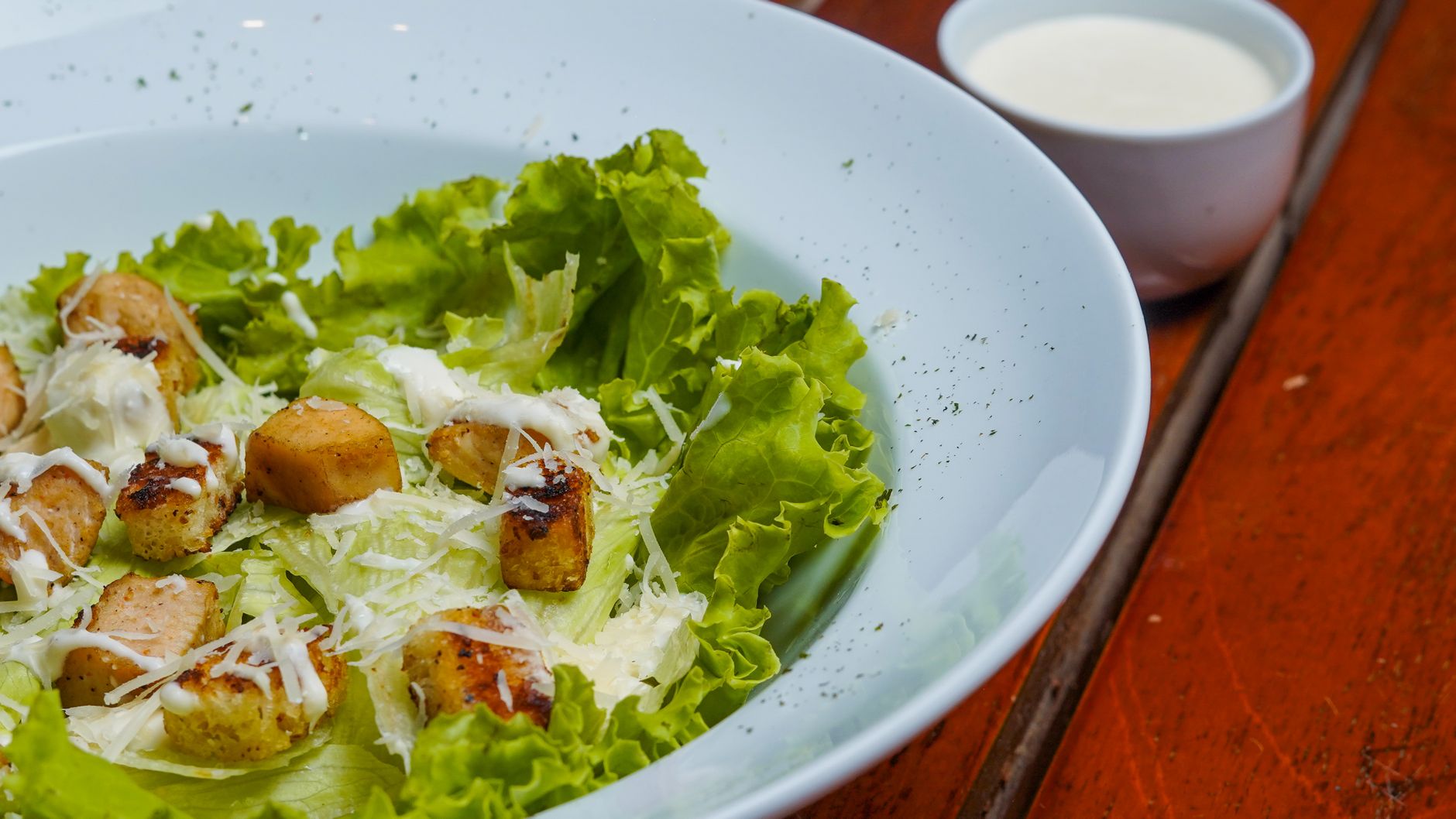
Caesar salad is a classic dish known for its creamy dressing and crisp romaine lettuce, but when it comes to dietary preferences, controversy swirls around the ingredients of Caesar dressing. Many people wonder, “Is Caesar dressing vegetarian?” Understanding the components that make up this dressing is essential for anyone following a vegetarian or plant-based diet.
This comprehensive guide delves into the ingredients typically found in Caesar dressing, highlights vegetarian versions, offers vegan alternatives, and provides a deeper insight into how to enjoy this beloved dressing while accommodating various dietary needs.
Is Caesar Dressing Vegetarian?
The traditional Caesar dressing is not considered vegetarian since it typically contains anchovies, an ingredient derived from fish. These anchovies are used to enhance the umami flavor of the dressing, which many find essential to its overall taste. However, there are numerous vegetarian and vegan alternatives that you can create or find prepared commercially.
Ingredients in Traditional Caesar Dressing
To better understand whether Caesar dressing is vegetarian, let’s examine the common ingredients used in its traditional form:
- Anchovies: These small fish are usually pureed into the dressing, providing a salty, savory flavor.
- Garlic: Usually minced or crushed, garlic adds a sharp, aromatic quality.
- Egg yolks: Raw or coddled egg yolks are often included for creaminess and to help emulsify the dressing.
- Parmesan cheese: Grated Parmesan adds richness and depth of flavor.
- Lemon juice: Freshly squeezed lemon juice brightens the dressing with acidity.
- Olive oil: This forms the base of the dressing, contributing to its texture and flavor.
- Dijon mustard: Often added for a bit of tang, it helps stabilize the emulsion.
- Worcestershire sauce: This may also contain anchovies, so reading labels is important.
- Salt and pepper: Basic seasonings to enhance the overall flavor.
How to Modify Caesar Dressing for Vegetarians
If you love Caesar dressing but want to avoid fish products, here are some modifications you can make:
Substitutes for Non-Vegetarian Ingredients
- Anchovies: Replace with capers or Kalamata olives for a briny flavor without seafood.
- Egg yolks: Use silken tofu blended with nutritional yeast for creaminess and a hint of cheesiness.
- Parmesan cheese: Substitute with nutritional yeast or a vegan Parmesan for a cheesy flavor without dairy.
- Worcestershire sauce: Look for vegetarian versions that don’t contain anchovies or make your own with soy sauce and vinegar.
How to Make Vegetarian Caesar Dressing
Creating a vegetarian Caesar dressing is straightforward. Here’s a recipe to guide you:
Ingredients
- 1/4 cup olive oil
- 2 tablespoons fresh lemon juice
- 2 cloves garlic, minced
- 1 tablespoon Dijon mustard
- 2 tablespoons capers or finely chopped Kalamata olives
- 2 tablespoons nutritional yeast (optional, for a cheesy flavor)
- Salt and pepper to taste
Instructions
- In a mixing bowl, combine the minced garlic, lemon juice, Dijon mustard, and capers or olives. Mix well.
- Slowly drizzle in the olive oil while whisking to emulsify the dressing.
- Add the nutritional yeast if using, and season with salt and pepper to taste. Adjust any flavors as needed.
- Serve immediately over romaine lettuce, or store in the refrigerator for up to one week.
Vegan Caesar Dressing Options
If you follow a vegan lifestyle, it’s essential to replace all ingredients of animal origin. Below are some trustworthy vegan options for Caesar dressing:
Vegan Caesar Dressing Recipe
Ingredients
- 1/2 cup raw cashews (soaked for 4 hours)
- 1/4 cup water
- 2 tablespoons fresh lemon juice
- 1 clove garlic, minced
- 1 tablespoon Dijon mustard
- 1 tablespoon nutritional yeast
- 1 tablespoon capers
- Salt and pepper to taste
Instructions
- Combine all ingredients in a food processor or high-speed blender.
- Blend until smooth and creamy, adding extra water if necessary to achieve your desired consistency.
- Adjust seasoning to taste and serve immediately on your favorite salad.
Flavor Profile & Texture
A typical Caesar dressing has a creamy, rich texture with a savory flavor predominantly influenced by anchovies in traditional recipes. Vegetarian and vegan modifications can still encapsulate that creaminess while offering a fresh, tangy taste from lemon juice and garlic. The substitutions of capers and nutritional yeast give the dressing a unique depth that keeps the essence of a classic Caesar intact.
Serving Suggestions
Vegetarian or vegan Caesar dressing can be enjoyed beyond the classic salad! Consider these serving suggestions:
- Drizzle over roasted vegetables for added flavor.
- Use as a dip for fresh vegetables or breadsticks.
- Mix into sandwiches or wraps for an extra kick.
- Combine with pasta for a creamy pasta salad.
- Serve as a dressing for grain bowls or quinoa salads.
Common Mistakes When Making Caesar Dressing
- Using regular Worcestershire sauce without verifying its ingredients could unintentionally reintroduce anchovies.
- Not emulsifying the oil correctly can lead to a dressing that separates, making it less appealing.
- Over- or under-seasoning can result in a dressing that is either too bland or overwhelmingly salty.
- Failing to let the dressing chill allows the flavors to meld together properly. A resting period can enhance taste.
Storage and Shelf Life
Homemade Caesar dressing can be stored in an airtight container in the refrigerator for up to one week. Always give it a good shake before using, as separation may occur. If freezing is desired, consider freezing in ice cube trays for portion control, although this may alter the texture slightly upon thawing.
Store-Bought Vegetarian and Vegan Caesar Dressings
If making your own dressing seems daunting, you have options available at most grocery stores. Many brands now offer vegetarian and vegan Caesar dressings. Here’s what to look for:
Label Reading Tips
- Always check for anchovy or fish-derived ingredients.
- Look for terms like “plant-based” or “vegan” on the packaging.
- Inspect the ingredient list for any unfamiliar additives that may not align with your diet.
- Consider brands that focus on natural, whole food ingredients for the best flavor.
Conclusion
In summary, traditional Caesar dressing is not vegetarian due to the presence of anchovies, but it’s easy to create vegetarian and vegan versions that retain the delicious, creamy characteristics of the original. By exploring ingredient substitutions and even store-bought options, everyone can enjoy Caesar dressing suited to their dietary preferences.
For a new twist on salads, consider trying a Catalina dressing recipe or a chipotle dressing recipe to keep your meals exciting. Explore related recipes and cooking tips to diversify your culinary experience!