
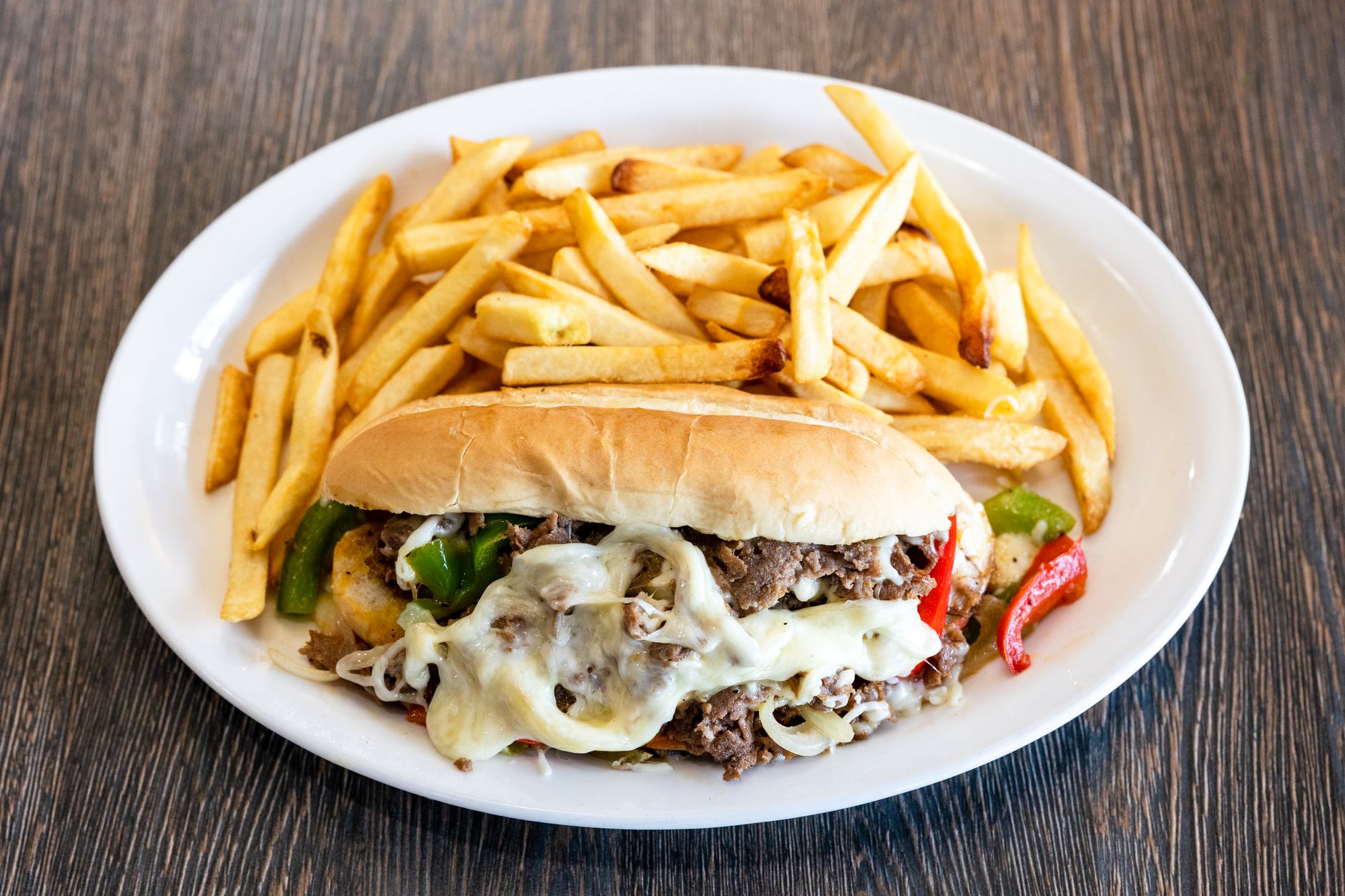
The beloved Philly cheesesteak, with its tender beef, gooey cheese, and hearty bread, is a classic comfort food. To elevate your cheesesteak, seasoning plays a crucial role in enhancing its flavors. This article explores what to season Philly cheesesteak with, including the right timing and methods to achieve the best taste experience.
Whether you’re making a traditional version with iconic Cheez Whiz or experimenting with different flavors, understanding which seasonings to use can make all the difference. Let’s dive into the best seasonings and techniques for creating a mouthwatering Philly cheesesteak.
What to Season Philly Cheesesteak With? (Method & Timing)
A Philly cheesesteak is typically seasoned with a combination of spices, marinades, and toppings. The base seasoning often features salt, pepper, garlic, and sometimes onion. Variations can include adding specific sauces or herbs, depending on personal preferences.
The Importance of Seasoning
Seasoning a Philly cheesesteak properly not only adds flavor but also enhances the ingredients’ natural tastes. The right balance of seasonings can transform a simple sandwich into a culinary delight. Here are some key seasonings to consider:
1. Salt and Pepper
Salt and black pepper are the foundation of seasoning. They enhance the natural flavors of the beef and other components. Always season both the meat and the vegetables to provide a well-rounded flavor.
2. Garlic Powder
Garlic powder adds depth to the flavor profile. It complements the savory notes of the beef and works well with cheese. Use about 1 teaspoon per pound of meat for a robust flavor.
3. Onion Powder
Onion powder offers a sweet and savory element that enhances the overall taste. Similar to garlic, it pairs beautifully with the beef and provides an aromatic quality. One to two teaspoons can be added based on preference.
4. Italian Seasoning
For those who enjoy a hint of herbiness, Italian seasoning, which typically includes basil, oregano, and thyme, can be a lovely addition. Use sparingly, around ½ teaspoon per pound of meat, to prevent overpowering other flavors.
5. Worcestershire Sauce
This sauce adds a unique umami flavor to the meat. Incorporating a tablespoon or two into your marinade or directly onto the meat before cooking can enrich its taste. It’s particularly useful if you’re griddling the meat.
6. Hot Sauce
If you enjoy heat, consider adding hot sauce to your meat mix or as a topping. Depending on the sauce’s potency, one tablespoon or more can be added to taste.
7. Cheese Seasoning
If using cheese, consider seasoning the cheese directly for an extra layer of flavor. Cheese powders or blends can enhance the cheesiness and provide a touch of salty flavor.
Best Meat Choices for Philly Cheesesteaks
The meat quality is essential when making a Philly cheesesteak. Traditionally, ribeye steak is favored for its marbling, tenderness, and flavor. However, you can also opt for:
- Sirloin – Leaner and still quite flavorful.
- Flank Steak – A cheaper option with a different texture, can be tenderized and well-seasoned.
- Chuck Roast – This can be slow-cooked and shredded for a different take on cheesesteak.
Whichever meat you select, slice it thinly against the grain for the best texture. Season it properly before cooking for maximum flavor absorption.
Preparation Techniques for Seasoning
How you prepare and season the meat can affect the overall outcome. Here are some practical methods:
Marinating the Meat
Marinating beef in a combination of Worcestershire sauce, garlic, onion powder, salt, and pepper for at least an hour—preferably overnight—can infuse the meat with flavor. Combine:
- 2 tablespoons Worcestershire sauce
- 1 tablespoon olive oil
- 1 teaspoon garlic powder
- 1 teaspoon onion powder
- Salt and pepper to taste
Place the beef in a resealable bag, add the marinade, and refrigerate. The longer it marinates, the more flavorful it will become.
Seasoning During Cooking
Season the meat while cooking to enhance flavor, particularly if it hasn’t been marinated. After placing it on the hot griddle or pan, you can sprinkle salt, pepper, garlic powder, and any additional spices directly onto the meat.
Seasoning the Vegetables
If you’re adding vegetables like onions and peppers, season them separately. Sauté them in oil with salt and pepper until they’re softened before adding them to the cheesesteak.
Timing: When to Add Seasonings
The timing of adding seasonings is essential for maximum flavor. Here’s a guideline:
1. Before Cooking
For marinated meats, the flavor will develop during the marination process. Always add salt, pepper, and any dry seasonings right before cooking if you haven’t marinated your meat.
2. During Cooking
Season the meat as it cooks, especially if you skipped marination. Vegetables should be added to the cooking pan first to allow them to soften and absorb seasonings before mixing with the beef.
3. After Cooking
Feel free to adjust the seasoning after cooking, especially if you’re using hot sauce or other condiments. Taste before serving to ensure maximum flavor.
Common Mistakes to Avoid
Many people make mistakes while preparing a Philly cheesesteak that can affect flavor. Here’s how to avoid them:
1. Under-Seasoning
Many underestimate the importance of seasoning. Don’t skip on essential seasonings. Proper amounts enhance flavor without overwhelming the dish.
2. Overcooking the Meat
Overcooked meat can become tough and chewy. Cook the meat to a medium-rare or medium finish to retain tenderness and moisture.
3. Not Letting the Cheese Melt Properly
For optimal cheesiness, allow the cheese to melt fully before serving. Cover the sandwich with a lid or a piece of aluminum foil to help the cheese melt evenly.
Serving Suggestions
How you serve your Philly cheesesteak can enhance the meal. Consider the following:
1. Bread Choices
A good cheesesteak should be served on a fresh, soft hoagie roll or an Italian sub roll. For an alternative, consider using a baguette or even a wrap for a twist.
2. Toppings
While traditional cheesesteaks are served simply with cheese and meat, feel free to add toppings such as:
- Sautéed onions
- Sautéed green peppers
- Mushrooms
- Hot or sweet peppers
For a delicious finish, add a dash of hot sauce or a drizzle of aioli for an elevated experience.
3. Side Dishes
Philly cheesesteaks pair well with various side dishes, including:
- French fries or sweet potato fries
- Coleslaw
- Pasta salad
- Onion rings
Consider a refreshing beverage to accompany your meal—soda, sweet tea, or even a light beer complements the cheesesteak perfectly.
Make-Ahead Tips
Preparing Philly cheesesteaks can be a time-consuming task, but with some make-ahead strategies, you can save time and still enjoy a delicious meal:
1. Prepping Ingredients
Chop your vegetables and slice your meat in advance. Store them in airtight containers in the refrigerator for up to three days.
2. Marinating Ahead
Marinate the meat at least a few hours ahead of cooking. Meat can be marinated overnight for fuller flavor.
3. Storing Leftovers
If you have leftover cheesesteak, store it in an airtight container in the refrigerator for up to three days. Reheat on the stove or in a microwave, making sure the meat is heated through before serving.
Storage and Reheating Guidelines
For optimal results, store any leftover Philly cheesesteak properly. Here are some tips:
1. Refrigerating Leftovers
Once cooled, place leftover cheesesteaks in a sealed container. They can be stored in the fridge for up to three days.
2. Freezing Cheesesteaks
If you want to store your cheesesteak for an extended period, you can freeze it. Wrap the sandwich tightly in foil and place it in a freezer-safe bag. It can last up to three months in the freezer.
3. Reheating
For reheating, consider using an oven for the best texture. Preheat the oven to 350°F (175°C), wrap the sandwich in foil, and heat for about 10-15 minutes until warmed through. Alternatively, you can microwave individual portions, but this may result in a soggy sandwich.
Conclusion
Seasoning your Philly cheesesteak properly can transform it from a simple sandwich to a flavor-packed meal that tantalizes the taste buds. By using the right spices, preparing the meat correctly, and avoiding common mistakes, you can create a delicious cheesesteak experience worth sharing.
For further exploration, check out related recipes such as Philly Cheesesteak Seasoning Recipe or if you’re in the mood for something different, try the Philly Cheesesteak Casserole Recipe. Happy cooking!