
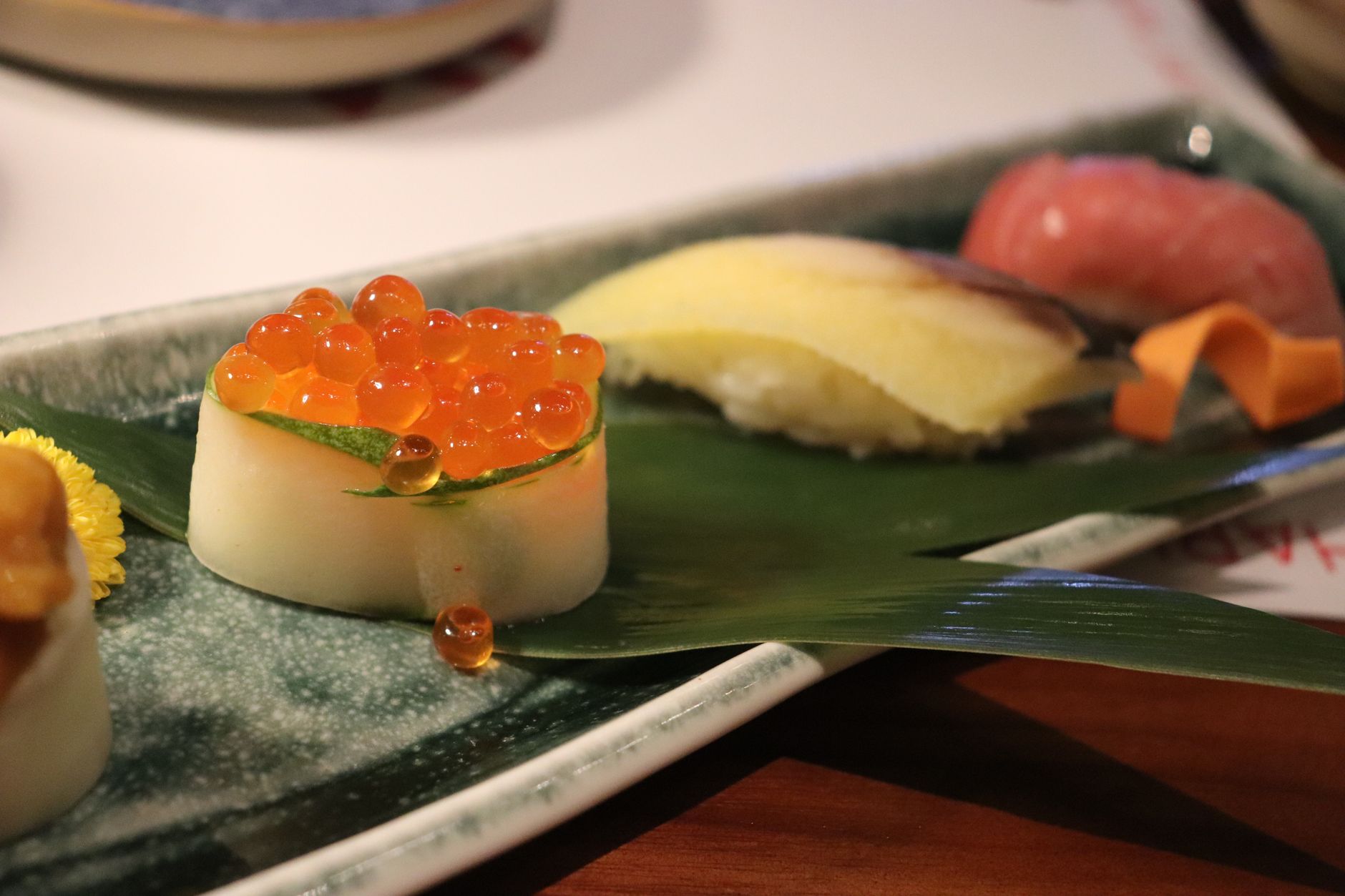
Ikura sushi, a delightful dish originating from Japan, features salmon roe that is known for its unique texture and flavor. This sushi type not only tantalizes the taste buds with its briny burst but also showcases the intricate art of sushi-making.
In this article, we will explore the ingredients, flavor profile, preparation method, and ways to serve ikura sushi. Understanding this dish will enhance your appreciation for sushi as a culinary art form.
What Is Ikura Sushi?
Ikura sushi refers specifically to sushi that is topped or filled with ikura, which are the salted roe (eggs) of the salmon. These bright orange pearls are celebrated for their pop-in-the-mouth texture and rich, salty depth of flavor. Ikura can be served on nigiri, where a mound of sushi rice is formed and topped with a dollop of these exquisite salmon eggs, or in gunkan maki, where the roe is surrounded by a strip of nori (seaweed) to contain it.
Ingredients of Ikura Sushi
Creating iconically flavorful ikura sushi calls for a few essential ingredients. Here’s what you will need:
- Sushi rice (2 cups, short-grain)
- Rice vinegar (1/3 cup)
- Granulated sugar (3 tablespoons)
- Salt (1 teaspoon)
- Fresh ikura (1 cup, about 200-250 grams)
- Nori sheets (cut into strips, optional for gunkan maki)
- Sesame seeds (toasted, for garnish, optional)
- Wasabi (for serving, optional)
- Soy sauce (for serving, optional)
Flavor Profile of Ikura
Ikura delivers an explosion of umami, with a slightly briny and savory taste that pairs beautifully with the subtle sweetness of the sushi rice. The freshness of the salmon roe is paramount; hence, it is best enjoyed raw. The occasional burst of flavor when each egg pops in the mouth adds a dynamic sensory experience. When served with a touch of soy sauce and wasabi, the overall profile intensifies, providing a delightful contrast and enhancement of flavors.
Cooking Sushi Rice for Ikura Sushi
Preparing sushi rice properly is crucial as it serves as the perfect foundation for ikura. Follow these steps to create the perfect sushi rice:
- Rinse the sushi rice: Place the sushi rice in a fine-mesh strainer and rinse under cold water until the water runs clear. This removes excess starch that can make the rice gummy.
- Cook the rice: Combine the rinsed sushi rice with 2.5 cups of water in a rice cooker. If using a pot, bring water to a boil, then cover and simmer over low heat for about 20 minutes. Allow it to rest for an additional 10 minutes after cooking.
- Season the rice: In a small saucepan, combine rice vinegar, sugar, and salt. Heat gently until sugar dissolves but do not boil. Once the rice is cooked, transfer it to a large bowl and gently fold in the vinegar mixture using a wooden spatula. Avoid smashing the rice; instead, use a cutting motion to keep the grains intact.
- Cool the rice: Use a fan or leave it to cool naturally. The ideal temperature is slightly warm to the touch.
How to Assemble Ikura Sushi
Whether you’re making nigiri or gunkan maki, assembling ikura sushi is straightforward. Here’s how to do it:
For Ikura Nigiri
- Wet your hands with water to prevent sticking and take a small amount of sushi rice (about 1.5 ounces or 45 grams).
- Shape the rice into a rectangular mound, gently pressing it together without compacting it too much.
- Take a spoonful of ikura and place it upon the rice mound.
- For added flavor, you may brush the ikura with a tiny bit of soy sauce.
- Serve immediately with wasabi and soy sauce on the side.
For Ikura Gunkan Maki
- Cut the nori sheet into strips approximately 2 inches wide and about 5-6 inches long.
- Wet your hands and take a small amount of sushi rice; shape it into an oval mound.
- Wrap the nori strip around the rice mound, using a small piece of water to seal the nori where it overlaps.
- Fill the center of the nori and rice with ikura, ensuring it overflows slightly for a dramatic presentation.
- Garnish with a sprinkle of toasted sesame seeds if desired and serve right away.
Serving Ikura Sushi
Ikura sushi is best enjoyed fresh, highlighting the quality of the salmon roe and sushi rice. Here are some serving tips:
- Plate the ikura nigiri or gunkan maki elegantly on a wooden sushi board for a traditional presentation.
- Offer condiments such as soy sauce and wasabi on the side for dipping as preferred. The wasabi adds a spicy kick that complements the fish beautifully.
- Consider pairing your ikura sushi with other fresh sushi types, sashimi, or a simple seaweed salad to create a platter that can excite the palate.
- Drinks like chilled sake or green tea can enhance the dining experience, cleansing the palate between bites.
Common Mistakes When Preparing Ikura Sushi
While ikura sushi is relatively simple to prepare, there are some common pitfalls to be aware of to ensure the best taste and texture:
- **Using old or subpar fish:** Freshness is critical for flavor and safety. Always ensure that your ikura is from a reputable source.
- **Overcooking sushi rice:** Under or overcooked rice can ruin the texture. Follow cooking instructions closely, and do not skip the rinsing step.
- **Neglecting proper seasoning:** The seasoning of sushi rice can vastly influence the taste. Ensure balance and consistency in the vinegar mixture.
- **Forgetting to wet your hands:** Wet hands prevent the rice from sticking to your fingers, allowing for smoother handling.
Storing Ikura Sushi
Ideally, ikura sushi is best enjoyed fresh, as the delicate nature of the ingredients can lead to spoilage. However, if you need to store leftovers, follow these tips:
- **Refrigerate promptly:** If not consumed immediately, place any remaining sushi in an airtight container and refrigerate for up to 24 hours. Consume as soon as possible for the best quality.
- **Do not freeze:** Freezing ikura sushi is not recommended, as the texture of the rice and the salmon roe will be compromised upon thawing.
Variations and Substitutions
Ikura can be incorporated into various sushi styles beyond traditional nigiri and gunkan maki. Here are some variations:
- **Ikura Chirashi:** Instead of serving on molded rice, top a bowl of sushi rice with ikura, alongside sliced vegetables and other seafood.
- **Ikura Tartar:** Create a modern appetizer by mixing ikura with diced avocado, and serving it on crispy rice cakes.
- **Substituting Ikura:** If salmon roe is unavailable, other fish roe such as masago (capelin roe) or tobiko (fish roe from flying fish) can be used, though the flavor and texture will differ.
Conclusion
With its satisfying burst of flavor and delightful presentation, ikura sushi is a beloved choice for sushi lovers. By understanding the ingredients, cooking techniques, and serving methods, anyone can appreciate this unique dish. Start making ikura sushi at home, or look for it at your favorite sushi restaurant!
For more delicious seafood recipes, check out our lox recipe and try making hamachi kama for another stunning seafood dish. Enjoy your culinary adventure!