
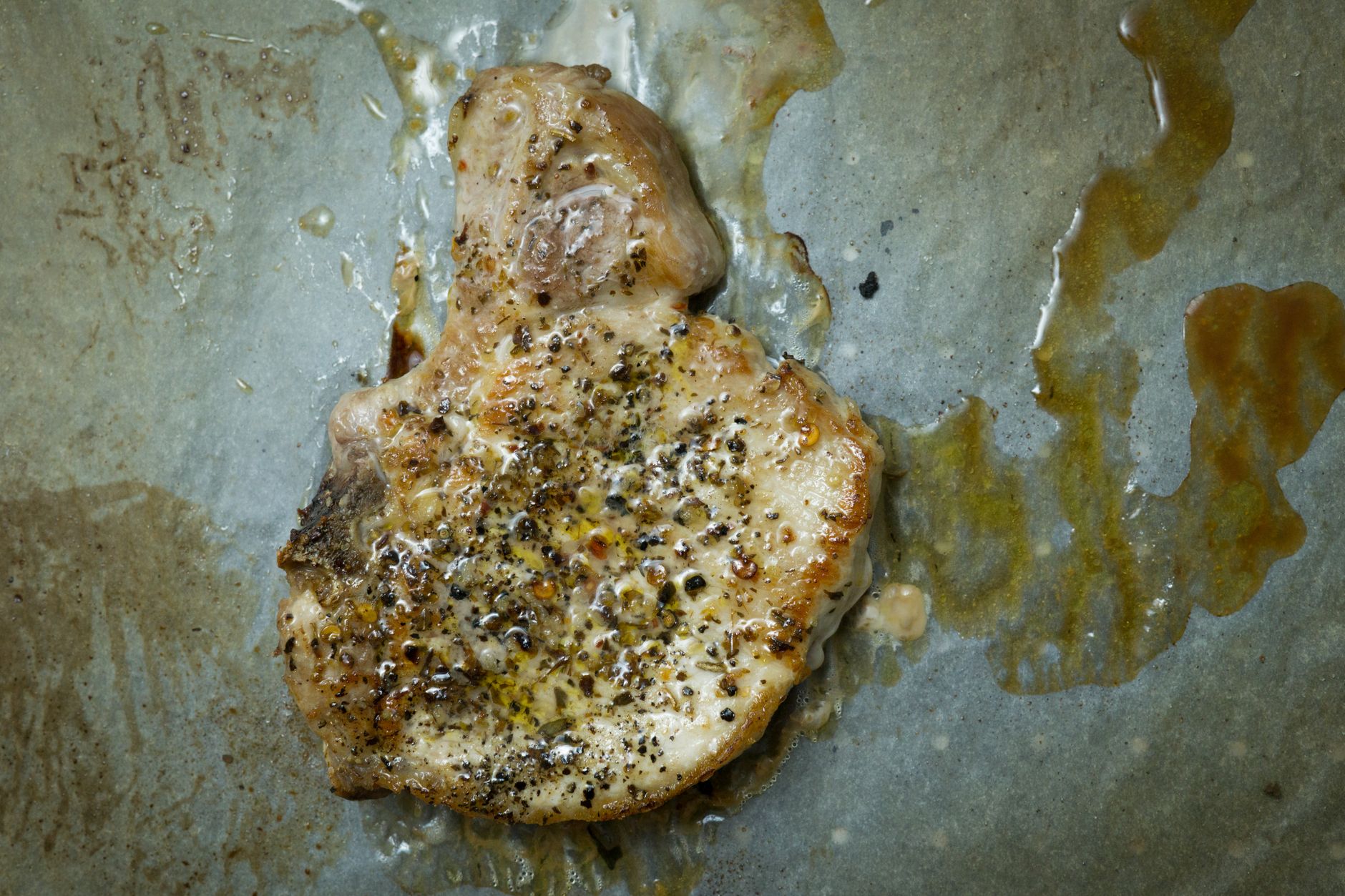
Pork chops are a popular choice for dinner due to their versatility and delicious taste. However, achieving the perfect doneness can be tricky for even the most experienced home cooks. Understanding the optimal internal temperature for pork chops is crucial for both safety and flavor. This guide will walk you through everything you need to know about cooking pork chops to perfection.
From recommended cooking temperatures and methods to troubleshooting common issues, you’ll gain the confidence to cook pork chops that are not only safe to eat but also juicy and flavorful. Let’s dive right into the details.
What Temp Are Pork Chops Done?
The ideal internal temperature for pork chops is 145°F (63°C). This temperature ensures that the meat is safe to eat while remaining juicy and tender. After reaching this temperature, it’s also recommended to let the pork chops rest for at least three minutes before slicing into them, allowing the juices to redistribute.
Understanding Pork Chop Cuts
Pork chops come in various cuts, including loin chops, rib chops, shoulder chops, and boneless chops. Each type has its characteristics, which can affect cooking methods and times. Familiarizing yourself with these different cuts can help dictate your cooking approach.
Loin Chops
Loin chops are cut from the back of the pig and are the most popular type of pork chop. They are known for their tenderness and mild flavor.
Rib Chops
Rib chops are cut from the rib section and are usually thicker and more flavorful than loin chops. They can have a bone that adds flavor during cooking.
Shoulder Chops
Shoulder chops are cut from the shoulder area and contain more fat and connective tissue. These can be tougher but have rich flavor and are best cooked using moist heat methods.
Boneless Chops
Boneless chops are simply loin or rib chops with the bone removed. They are quick cooking but can dry out more easily if overcooked.
How to Cook Pork Chops
There are several methods for cooking pork chops, including grilling, baking, pan-frying, and slow cooking. Each method has its own advantages, so understanding how temperature plays a role in each method will enhance your cooking skills.
Grilling Pork Chops
Grilling imparts a great smoky flavor to pork chops. To grill pork chops, follow these steps:
- Preheat your grill to medium-high heat (about 400°F).
- Season the pork chops with your favorite rub or marinade.
- Place the chops on the grill, cooking for about 4–6 minutes on each side, checking with a meat thermometer.
- Remove from the grill once the internal temperature reaches 145°F and let rest for three minutes before serving.
Baking Pork Chops
Baking is a hands-off method that allows for even cooking. Here’s how to bake pork chops:
- Preheat your oven to 400°F.
- Season the pork chops as desired and place them in a greased baking dish.
- Bake for about 25 minutes, flipping halfway through.
- Check for doneness using a meat thermometer; remove from the oven at 145°F and let rest.
Pan-Frying Pork Chops
Pan-frying can create a nice crust and gives great flavor. Here are the steps:
- Heat a skillet over medium heat and add a tablespoon of oil.
- Season the pork chops and place them in the skillet.
- Cook for about 4 minutes per side, checking with a meat thermometer to ensure doneness.
- Remove from heat at 145°F and rest the meat for a few minutes.
Slow Cooking Pork Chops
For tender, fall-off-the-bone pork chops, slow cooking is an excellent method. Here’s how to do it:
- Season the pork chops and sear them in a skillet for a few minutes on each side.
- Transfer to a slow cooker and add your choice of sauce or broth.
- Cook on low for 4–6 hours, or until the internal temperature reaches 145°F.
Timelines for Cooking Pork Chops
Here’s a basic guideline for cooking times based on thickness and method:
| Method | Thickness | Cooking Time |
|---|---|---|
| Grilling | 1 inch | 4–6 minutes per side |
| Baking | 1 inch | 20–25 minutes |
| Pan-Frying | 1 inch | 4–5 minutes per side |
| Slow Cooking | 1 inch | 4–6 hours on low |
Common Mistakes When Cooking Pork Chops
Avoid these pitfalls to ensure delicious pork chops every time:
- Not using a meat thermometer: Color is not a reliable safety indicator. Always check internal temperature.
- Overcooking: This can lead to dry, tough meat. Remove from heat at 145°F.
- Skipping the resting period: Letting meat rest allows juices to redistribute for a more tender piece.
- Using high heat: Cooking pork chops too quickly can burn the exterior while leaving the inside undercooked.
Flavor Combinations and Seasoning Suggestions
The right seasoning can elevate pork chops significantly. Here are some flavor profiles to consider:
- Herb and Garlic: Use rosemary, thyme, and garlic for a classic flavor.
- BBQ: Marinade in your choice of barbecue sauce for a smoky, tangy flavor.
- Sweet and Savory: Use a glaze that mixes honey or maple syrup with mustard for a unique taste.
- Spicy: Create a marinade with chili powder, cumin, and lime for a southwestern twist.
Pork Chops Leftovers: Storage and Reheating
If you have leftover pork chops, proper storage and reheating are essential for maintaining flavor and safety.
- Storage: Store leftover pork chops in an airtight container in the refrigerator for up to three days.
- Freezing: You can freeze cooked pork chops for up to three months. Wrap tightly in plastic wrap and foil.
- Reheating: Reheat in the oven at 350°F until warmed through, or microwave in 30-second intervals until heated.
Pairing Suggestions for Pork Chops
To create a complete meal, consider pairing pork chops with the following:
- Sides: Roasted vegetables, mashed potatoes, or wild rice complement pork chops well.
- Salads: A light salad with vinaigrette adds brightness to the meal.
- Wines: Pair with a medium-bodied red wine like Pinot Noir or a crisp white like Chardonnay.
Conclusion
Cooking pork chops to the correct temperature not only ensures safety but also maximizes flavor and texture. By consistently checking for the internal temperature of 145°F and allowing for resting time, you will serve up pork chops that are juicy and satisfying. Experimenting with different cuts, cooking methods, and flavors can keep your meals exciting and delicious.
If you’re looking for cooking times for baked boneless pork chops, check out our guide. For a special occasion, consider trying out the Pork Chop Supreme recipe for an impressive dinner option. Explore new ways to prepare your favorite pork dishes!