
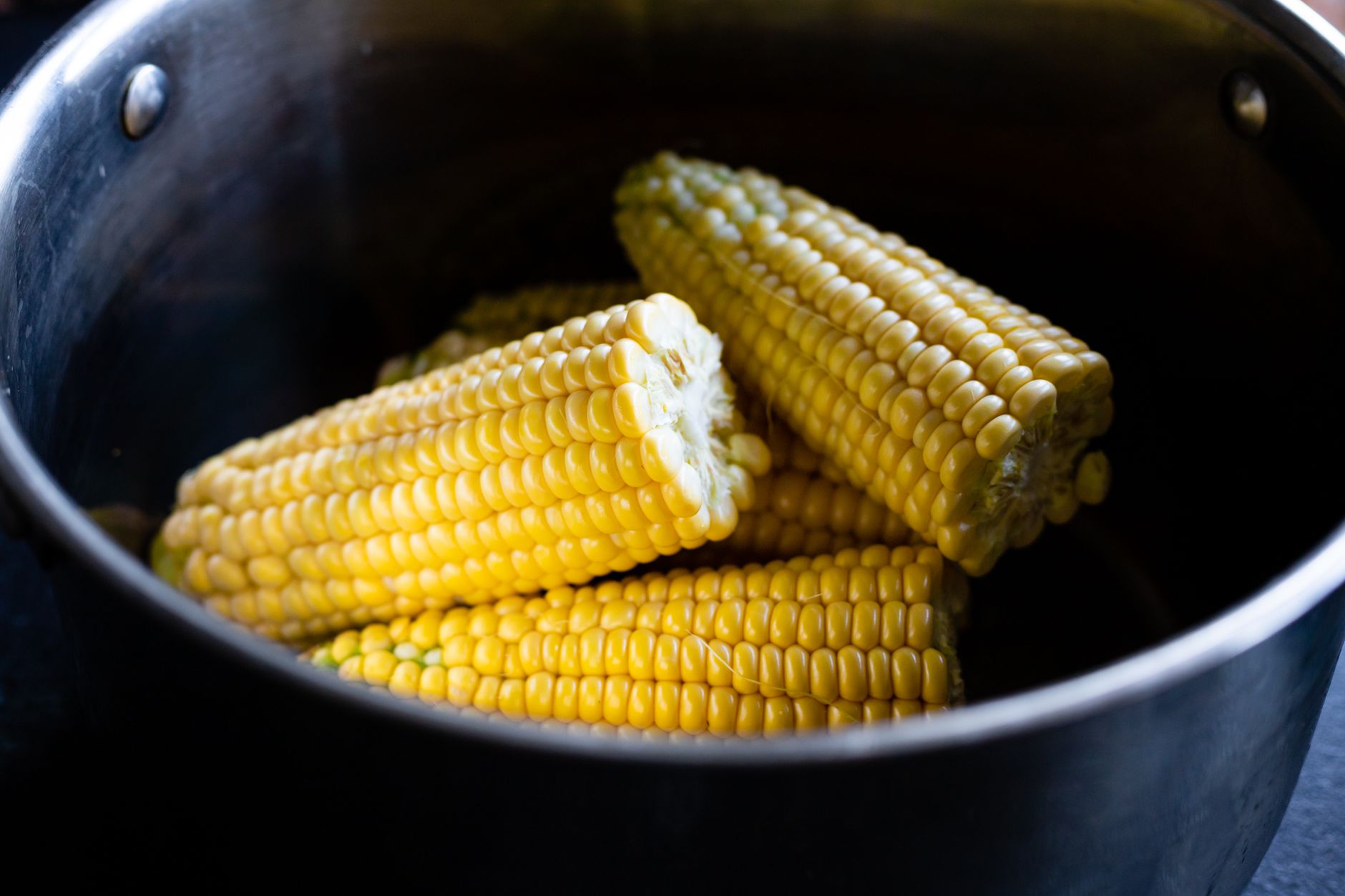
Corn is a versatile ingredient that brings a sweet flavor and crunch to many dishes. While most people are familiar with cooked corn, fewer know that it can also be eaten raw. This article will explore the safety, preparation, and serving tips for raw corn, allowing you to enjoy this nutritious vegetable in its natural state.
Raw corn can be a refreshing addition to salads, salsas, and other dishes. However, understanding the best ways to prepare and serve it is essential for optimal taste and food safety. Read on to discover everything you need to know about enjoying raw corn.
Can You Eat Raw Corn?
Yes, you can eat raw corn. Fresh, sweet corn is safe for consumption without cooking, provided you select high-quality ears. Many people enjoy raw corn because of its sweetness and crunchy texture. However, it is important to ensure the corn is clean and free from pesticides or contaminants before consuming.
The Safety of Eating Raw Corn
Like any fresh produce, the safety of eating raw corn primarily depends on its handling, washing, and storage. Here are key points to consider:
- Source: Purchase corn from reputable suppliers, particularly those that adhere to good agricultural practices.
- Washing: Always wash corn under running water before consumption to remove dirt and any pesticide residues.
- Inspection: Check for any signs of mold, insect damage, or spoilage. Only consume corn that appears fresh and healthy.
- Storage: Corn should be refrigerated before use and consumed within a few days for the best flavor and safety.
Choosing the Right Corn for Eating Raw
When selecting corn for raw consumption, look for sweet corn varieties, as they are the best for fresh eating. Here are some tips for choosing quality corn:
- Color: Look for bright green husks without browning or drying. The kernels should be plump and juicy.
- Silks: The corn silk at the top should be golden and slightly sticky, not dry or brown.
- Feel: Gently squeeze the corn; it should feel firm with no mushy spots.
- Seasonality: Fresh sweet corn is usually in season during summer months. Off-season corn may not taste as sweet.
How to Prepare Raw Corn
Preparing raw corn is simple and quick. Here’s how to do it effectively:
- Gather Equipment: You’ll need a sharp knife, a cutting board, and a bowl for collecting kernels.
- Remove the Husk: Start by peeling away the outer husks, removing as much silk as possible. Discard the husks and silk.
- Wash Thoroughly: Rinse the corn under running water to remove any dirt or pesticide residues.
- Cutting Kernels Off the Cob: Place the corn upright on the cutting board and carefully cut down along the ear to remove the kernels.
- Collect the Kernels: Collect the cut kernels in a bowl. You can also scrape the cob to extract any remaining juices.
Delicious Ways to Serve Raw Corn
Raw corn is incredibly versatile and can elevate many dishes. Here are some popular serving ideas:
1. Salads
Add raw corn kernels to salads for a burst of sweetness and crunch. They pair well with mixed greens, avocado, tomatoes, and a citrus dressing.
2. Salsas
Combine raw corn with diced tomatoes, onions, chili peppers, cilantro, and lime juice for a refreshing corn salsa that complements grilled meats or tortilla chips.
3. Tacos
Top tacos with raw corn for an added texture and flavor. It works well with a variety of fillings, including grilled chicken, fish, or black beans.
4. Corn Salad
Mix raw corn with diced peppers, onions, feta cheese, and a light vinaigrette for a vibrant corn salad that can be served chilled.
Nutritional Benefits of Raw Corn
Raw corn is not only delicious but also packed with nutrition. Here are some benefits:
- Vitamins and Minerals: Corn is a good source of several vitamins, including vitamin C and several B vitamins, as well as important minerals like magnesium and potassium.
- Fiber: Raw corn is high in fiber, which aids in digestion and helps maintain gut health.
- Antioxidants: The bright color of corn indicates the presence of antioxidants, which can help reduce inflammation and support overall health.
Common Mistakes to Avoid When Eating Raw Corn
While eating raw corn is generally safe, there are a few common mistakes to avoid:
- Using Spoiled Corn: Always check corn for signs of spoilage before consumption. Avoid eating corn that appears dried out or moldy.
- Neglecting Hygiene: Failing to wash corn thoroughly can expose you to bacteria and pesticides. Always wash your corn before eating.
- Overlooking Preparation: Improperly cutting corn can lead to a less enjoyable texture. Make sure to cut kernels off cleanly and evenly.
Make-Ahead Ideas with Raw Corn
If you’re planning to enjoy corn in a meal later, consider these make-ahead ideas:
- Pre-Cut Kernels: Cut corn kernels can be stored in an airtight container in the refrigerator for up to three days.
- Preparation for Salads: Prepare all salad ingredients ahead of time, but wait to combine until just before serving to ensure freshness.
- Corn Salsas or Dips: Make corn salsas or dips a day in advance, allowing flavors to meld, but freshly add corn kernels just before serving for crunch.
Storing Raw Corn
Proper storage is key to maintaining the quality of raw corn. Here are tips for storage:
- Keep It Cool: Store fresh corn in the refrigerator immediately after purchase to preserve freshness.
- In the Husk: If possible, leave corn in the husk until you are ready to use it. This helps retain moisture and sweetness.
- Use Within a Few Days: For the best flavor and quality, consume raw corn within 3-5 days of purchase.
Varieties of Corn Suitable for Raw Eating
While sweet corn is the most popular choice for eating raw, several other varieties can also be enjoyed:
- Baby Corn: Small ears of corn, often found in stir-fry dishes, can also be enjoyed raw.
- Field Corn: Although not sweet and typically used for animal feed or processing, young field corn can be eaten raw but is less pleasant in flavor.
Conclusion
Raw corn is a delicious and nutritious option that can be enjoyed in a variety of dishes. By selecting high-quality corn, properly preparing it, and following safety guidelines, you can safely enjoy this sweet vegetable without cooking. Incorporating raw corn into salads, salsas, and tacos can elevate your meals with its crunchy texture and natural sweetness.
Explore related recipes and cooking tips to expand your culinary adventures with corn. Try making corn pone or corn nuggets to enjoy another tasty twist on this versatile ingredient.