
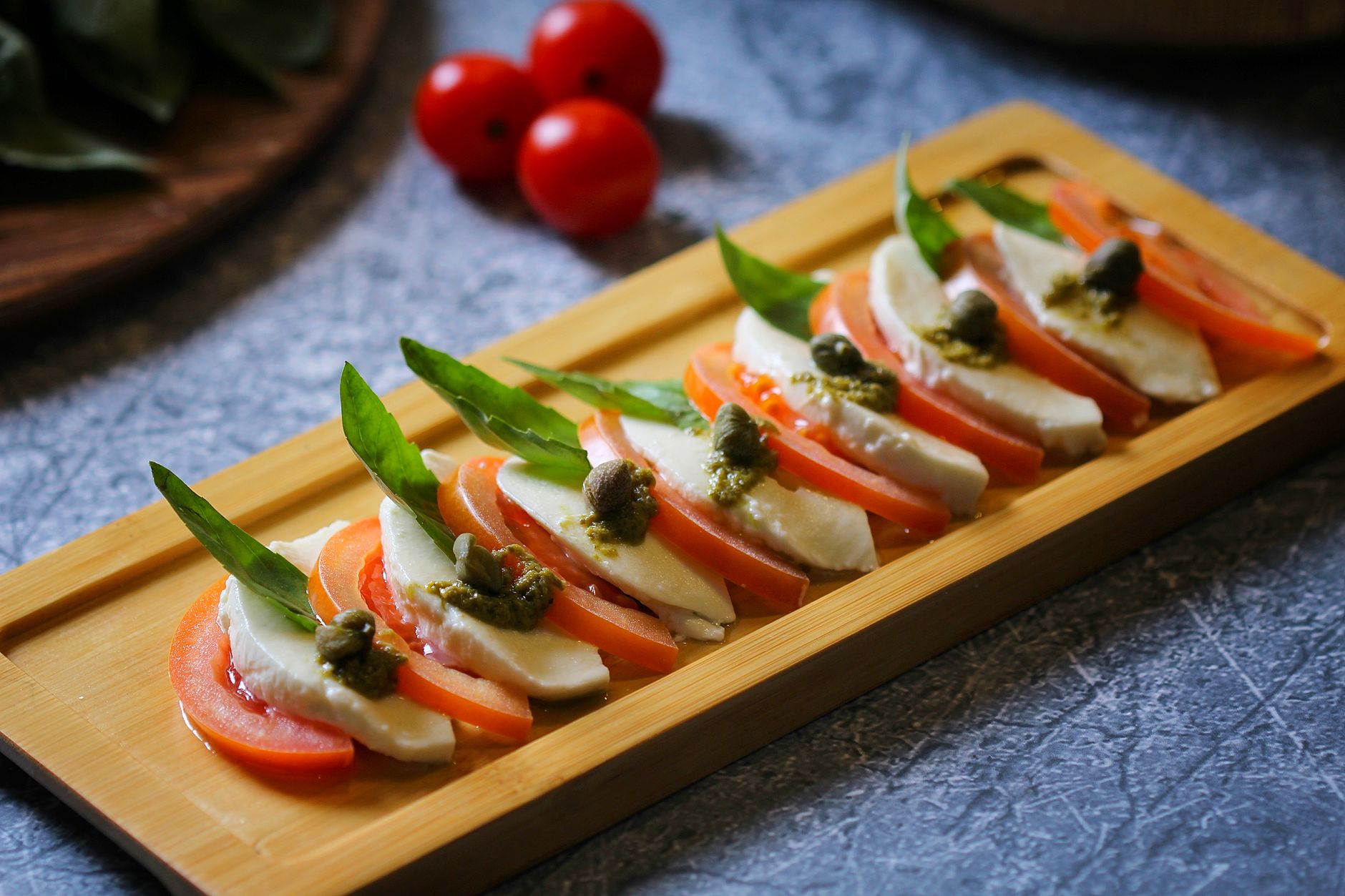
Low moisture mozzarella is a popular cheese variety renowned for its versatility and ability to maintain its integrity during cooking. Commonly used in pizza and pasta dishes, this cheese has a firmer texture and reduced moisture content compared to its fresh mozzarella counterpart, making it a staple in kitchens around the world.
Understanding what low moisture mozzarella is and how to use it effectively can elevate your cooking. This guide will explore its characteristics, culinary uses, and practical tips for cooking and substituting ingredients.
What Is Low Moisture Mozzarella?
Low moisture mozzarella is a semi-firm cheese made from cow’s milk that undergoes a process to remove excess whey, resulting in a dryer texture. Typically, this cheese has a moisture content of about 45-50%, compared to fresh mozzarella, which contains over 60% moisture.
The aging process for low moisture mozzarella usually lasts about 6 to 12 months, during which the cheese develops a firmer structure and concentrated flavor. As a result, it is often favored in cooking due to its melting properties and ability to hold its shape under heat.
Culinary Characteristics of Low Moisture Mozzarella
Low moisture mozzarella boasts several culinary characteristics that make it a preferred choice for various dishes:
- Flavor: It has a mild, slightly tangy flavor that enhances the taste of many dishes without overpowering other ingredients.
- Texture: Its firm and elastic texture allows for easy shredding and slicing, making it versatile in its applications.
- Melting Properties: When heated, low moisture mozzarella melts smoothly and stretches well, making it ideal for pizza and baked pasta dishes.
Culinary Uses of Low Moisture Mozzarella
Low moisture mozzarella is a versatile cheese that can be used in various culinary situations. Here are some popular uses:
Pizzas
Low moisture mozzarella is the go-to cheese for pizzas. Due to its melting properties, it creates a golden brown, bubbly layer on top of the pizza without becoming overly greasy. Shredded low moisture mozzarella can be sparsely sprinkled on top, or it can be used in combination with other cheeses for added depth.
Pasta Dishes
This cheese works well in baked pasta recipes, such as lasagna and baked ziti. Its ability to melt and become gooey enhances the overall creaminess of the dish while contributing to a beautifully attractive appearance.
Salads
In salads, low moisture mozzarella can be cubed or sliced for added protein and texture. It pairs well with various ingredients, including tomatoes, basil, and olive oil in a Caprese salad or mixed into greens with a light vinaigrette.
Sandwiches and Paninis
Low moisture mozzarella is a great addition to sandwiches and paninis. Its melting characteristics allow it to bind other ingredients together, creating a satisfying texture in every bite.
Appetizers and Snacks
Many people enjoy low moisture mozzarella as an appetizer. It can be cut into cubes, drizzled with balsamic reduction, or combined with olives and cured meats for a delicious charcuterie board.
Key Facts About Low Moisture Mozzarella
Here are some important facts regarding low moisture mozzarella that you should remember:
- Types: Low moisture mozzarella can be found in several forms, including shredded, sliced, or block. Each form serves different culinary applications.
- Storage: Store unopened mozzarella in the refrigerator. Once opened, wrap it tightly to keep it fresh. It can last up to two weeks after opening if properly sealed.
- Freezing: Low moisture mozzarella can be frozen for long-term storage. For the best quality, shred or slice before freezing, and store in an airtight container.
How to Choose Low Moisture Mozzarella
Choosing the right low moisture mozzarella can significantly affect the results of your dish. Here are some considerations when shopping:
Check the Ingredients
Look for mozzarella made from whole milk for a richer flavor. Avoid brands with unnecessary additives or preservatives. Authentic mozzarella should have milk, salt, enzymes, and cultures without additional fillers.
Texture and Freshness
Pay attention to the texture. Good low moisture mozzarella should feel slightly firm but still be pliable. Check the expiration date to ensure freshness, as older cheese may lose flavor and texture.
Tips for Cooking with Low Moisture Mozzarella
Cooking with low moisture mozzarella can be delightful when you keep these practical tips in mind:
Layering Techniques
When using low moisture mozzarella on pizzas or casseroles, layer it with other cheeses, like provolone or parmesan, to create complexity in flavor. This combination offers a more nuanced taste and an appealing aesthetics.
Grating Instead of Slicing
For even melting, consider grating low moisture mozzarella rather than slicing it. The smaller surface area speeds up melting, ensuring a uniform texture throughout the dish.
Watch the Oven Temp
When baking, maintain moderate oven temperatures to prevent over-browning. A temperature of 425-475°F (220-246°C) is ideal for pizzas and baked dishes using low moisture mozzarella.
Common Mistakes to Avoid with Low Moisture Mozzarella
Even seasoned cooks may encounter challenges while using low moisture mozzarella. Here are some pitfalls to watch out for:
Overcooking
Low moisture mozzarella can become rubbery if cooked for too long. To prevent this, monitor cooking times, especially with dishes that require longer baking times.
Adding Too Much Cheese
While cheese can enhance a dish, overloading with mozzarella can cause greasiness. Aim for a balance that allows vibrant flavors from other ingredients to shine through.
Recipe Ideas Using Low Moisture Mozzarella
If you’re inspired to use low moisture mozzarella, here are a couple of recipe ideas to consider:
Classic Margherita Pizza
A traditional Margherita pizza is simple yet flavorful, showcasing the qualities of low moisture mozzarella!
Ingredients:
- 1 pizza dough (store-bought or homemade)
- ½ cup pizza sauce
- 8 ounces low moisture mozzarella, shredded
- Fresh basil leaves
- Olive oil, for drizzling
- Salt and pepper, to taste
Instructions:
- Preheat your oven to 475°F (245°C) and place a pizza stone or a baking sheet inside to heat up.
- Stretch out the pizza dough into a round shape and place it on a piece of parchment paper.
- Spread the pizza sauce evenly over the dough, leaving a 1-inch border.
- Sprinkle the shredded mozzarella over the sauce.
- Carefully transfer the pizza to the preheated stone or sheet.
- Bake for about 10-12 minutes or until the crust is golden brown and the cheese is bubbly.
- Remove from the oven, add fresh basil leaves, and drizzle with olive oil before slicing.
Baked Ziti
Baked ziti is a comforting dish that highlights the gooey goodness of low moisture mozzarella.
Ingredients:
- 1 pound ziti pasta
- 24 ounces marinara sauce
- 16 ounces low moisture mozzarella, shredded
- 1 cup ricotta cheese
- ½ cup grated parmesan cheese
- 2 teaspoons dried oregano
- Salt and pepper, to taste
Instructions:
- Preheat your oven to 375°F (190°C).
- Cook ziti according to package instructions until al dente. Drain and set aside.
- In a large bowl, mix the cooked pasta with marinara sauce, ricotta, and half the mozzarella. Season with oregano, salt, and pepper.
- Transfer the mixture to a greased baking dish and top with remaining mozzarella and parmesan cheese.
- Bake for 25-30 minutes or until the top is golden and bubbling.
- Allow to cool for a few minutes before serving.
Substitutes for Low Moisture Mozzarella
If you find yourself in need of a substitute for low moisture mozzarella, consider the following options:
- Provolone: A semi-soft cheese with a similar flavor profile that melts well.
- Fontina: A creamy cheese that melts beautifully and adds a rich flavor; however, it is softer.
- Cheddar: While not similar in flavor, it provides a strong taste and excellent melting characteristics, ideal for baked dishes.
Storage and Shelf Life
Proper storage of low moisture mozzarella will help maintain its freshness and quality:
Refrigeration
Unopened low moisture mozzarella can be stored in the refrigerator for several months. After opening, wrap the cheese tightly in plastic wrap or aluminum foil to prevent it from drying out.
Freezing
If you want to extend its shelf life, freezing is an option. Grate or slice the mozzarella and place it in an airtight container or freezer bag to freeze. It can last up to 6 months in the freezer, but note that the texture may change slightly once thawed. This makes it best suited for cooking rather than fresh applications.
Conclusion
Low moisture mozzarella is a versatile cheese that can enhance a wide range of dishes, from pizzas to pasta and beyond. By understanding its characteristics and uses, you can incorporate this cheese into your cooking for delicious, satisfying meals.
Explore further with some unique recipes and tips related to cheese, such as our whipped ricotta recipe or enjoy a cottage cheese bagel recipe that can complement your cheese dishes beautifully.