
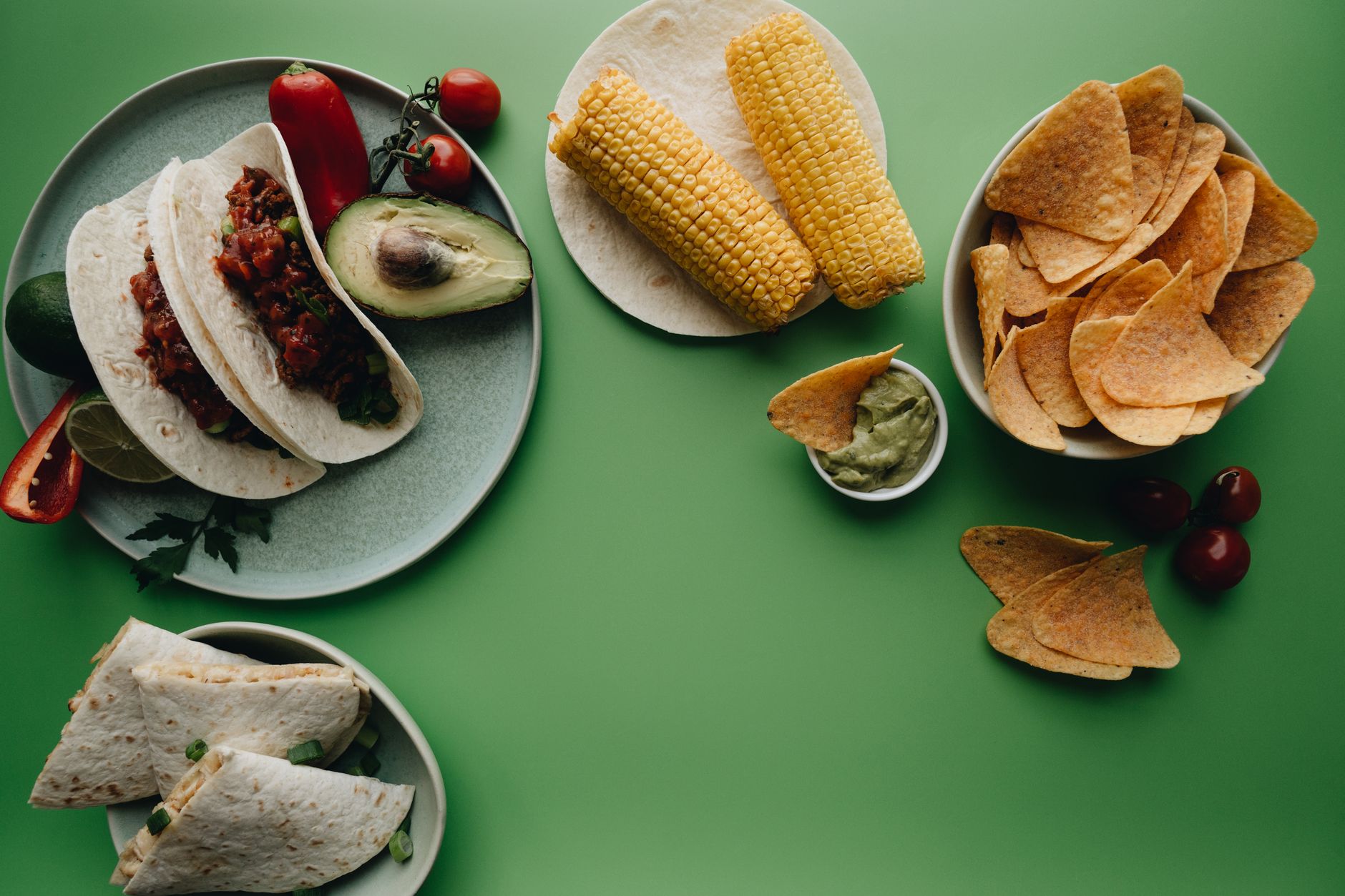
Maseca flour is a vital ingredient in many traditional Mexican dishes, known for its versatility and distinctive flavor. Made from finely ground white corn, Maseca is primarily used to make tortillas, tamales, and other staple foods. Understanding its characteristics and culinary applications can elevate your cooking, especially when exploring Mexican cuisine.
This article delves into what Maseca flour is, its composition, taste, and various culinary uses. It also offers tips on how to use it effectively in your cooking.
What Is Maseca Flour?
Maseca flour is a type of masa harina, which translates to “dough flour” in Spanish. It is primarily made from corn that has been nixtamalized, a process involving soaking and cooking corn in an alkaline solution. This process enhances the flour’s nutritional profile and flavor while ensuring the corn is easier to grind into a fine powder.
The resulting flour is gluten-free, making it an excellent alternative for those with gluten sensitivities. Maseca flour has a unique texture and flavor that sets it apart from regular wheat flour, and it’s essential in many traditional recipes.
Ingredients of Maseca Flour
The primary ingredient in Maseca flour is corn, specifically white corn. The nixtamalization process involves treating the corn with an alkaline solution, usually limewater, which helps to soften the kernels and makes essential nutrients more bioavailable. The result is a flour that retains the rich flavor and nutritional benefits of corn while being suitable for a variety of dishes.
- White Corn: The main ingredient that provides a rich corn flavor.
- Lime (Calcium Hydroxide): Used during the nixtamalization process.
Taste and Texture of Maseca Flour
Maseca flour has a slightly sweet, earthy taste characteristic of corn. Its texture is fine and smooth, which helps create a pliable dough when mixed with water. When cooked, dishes made with Maseca often have a delightful chewiness, contributing to the overall texture of traditional recipes.
Culinary Uses for Maseca Flour
Maseca flour is incredibly versatile and serves as a foundational ingredient in many Latin American dishes. Its most common applications are in Mexican cuisine, where it is used to make a variety of foods.
Tortillas
One of the most popular uses of Maseca flour is in making tortillas. Corn tortillas are fundamental in Mexican cooking and are used in dishes like tacos, enchiladas, and quesadillas. To make masa for tortillas, Maseca flour is mixed with water and kneaded into a dough. This dough is then formed into balls and flattened into thin circles before being cooked on a hot skillet.
Tamales
Tamales are another traditional dish that utilizes Maseca flour. In this case, the flour is mixed with water and possibly other ingredients like lard or baking powder to create a dough called masa. This masa is then spread onto corn husks, filled with various fillings (like meat, cheese, or vegetables), wrapped, and steamed.
Other Uses
Beyond tortillas and tamales, Maseca flour can be used to make:
- Arepas: A staple in Venezuelan and Colombian cuisines, arepas are thick corn patties that can be grilled, baked, or fried.
- Gorditas: These are thick corn cakes that can be filled with various ingredients or served with toppings.
- Empanadas: Maseca flour can be used to make the dough for empanadas, which are filled pastries often baked or fried.
- Soups and Sauces: Maseca can also be used as a thickening agent in soups and sauces, giving them a rich corn flavor.
Tips for Cooking with Maseca Flour
When using Maseca flour in your cooking, keep in mind the following tips to achieve the best results:
1. Mixing Ratios
For tortillas, a general rule of thumb is to use about 2 cups of Maseca flour to 1 1/4 cups of water. Experiment with the water ratio to achieve the desired dough consistency.
2. Handling the Dough
After mixing, let the dough rest for about 10-15 minutes. This resting period allows the flour to hydrate properly, making it easier to work with.
3. Use a Tortilla Press
If you’re making corn tortillas, consider using a tortilla press for even thickness. This tool ensures that the tortillas cook evenly and have the right texture.
4. Cooking Temperature
Cook tortillas on a hot, dry skillet over medium-high heat until they develop brown spots, which indicates doneness. Typically, this takes about 30 seconds to 1 minute per side.
5. Experiment in Recipes
Feel free to experiment by incorporating Maseca flour into other recipes, such as pancakes or muffins, to introduce a mild corn flavor.
Common Mistakes When Using Maseca Flour
Here are some common pitfalls to avoid when working with Maseca flour:
1. Over-Mixing the Dough
Over-mixing can lead to tough dough. Combine the ingredients just until they come together, and allow your dough to rest.
2. Incorrect Water Ratios
Adding too much or too little water can affect the dough’s texture. Make adjustments gradually until you find the right consistency.
3. Cooking at Too Low a Temperature
If your skillet isn’t hot enough, the tortillas may become dry and hard. Ensure your pan is properly heated for optimal cooking.
Storage and Shelf Life
Proper storage of Maseca flour is crucial to maintain its freshness. Store it in a cool, dry place in an airtight container. Unopened packages can last up to a year, while opened packages should be used within six months for the best quality.
Dietary Considerations
Maseca flour is a gluten-free option, which makes it suitable for those with gluten intolerances or celiac disease. However, always check if any additives are included in the specific brand you purchase.
Substitutes for Maseca Flour
If you are unable to find Maseca flour, there are alternatives you can consider, though they may slightly alter the taste and texture of your dish:
- Cornmeal: Ground cornmeal can be used; however, it may not bind as well due to its coarser texture.
- All-Purpose Flour: This will work in recipes where gluten is not a concern, such as in some baked goods, but it will not provide the corn flavor.
- Homemade Masa: If you have access to fresh masa, you can use it as an alternative though measurements may vary.
Exploring Regional Variations of Maseca Flour Dishes
Different regions of Mexico, and Latin America, have their unique variations of dishes made with Maseca flour. Here are a few notable examples:
Oaxacan Tortillas
In Oaxaca, tortillas are often thicker and may incorporate additional ingredients like herbs or spices for a unique flavor.
Yucatecan Tamales
Unique to the Yucatán Peninsula, these tamales often include local spices and may be wrapped in banana leaves instead of corn husks, imparting a distinct flavor.
Arepas Variants
In Colombia and Venezuela, arepas are made with Maseca flour and can be filled or topped with ingredients ranging from cheese to avocado to meat, showcasing regional preferences.
Conclusion
Maseca flour is a foundational ingredient for anyone interested in exploring Mexican or Latin American cooking. Its unique flavor and versatility make it an excellent choice for crafting various traditional dishes. By experimenting with this unique flour and following best practices, you can successfully incorporate it into your cooking.
If you’re keen on exploring more about flour varieties, check out our guide on the difference between bleached and unbleached flour or learn about the origins of sweeteners with our article on what molasses is made from. Happy cooking!