
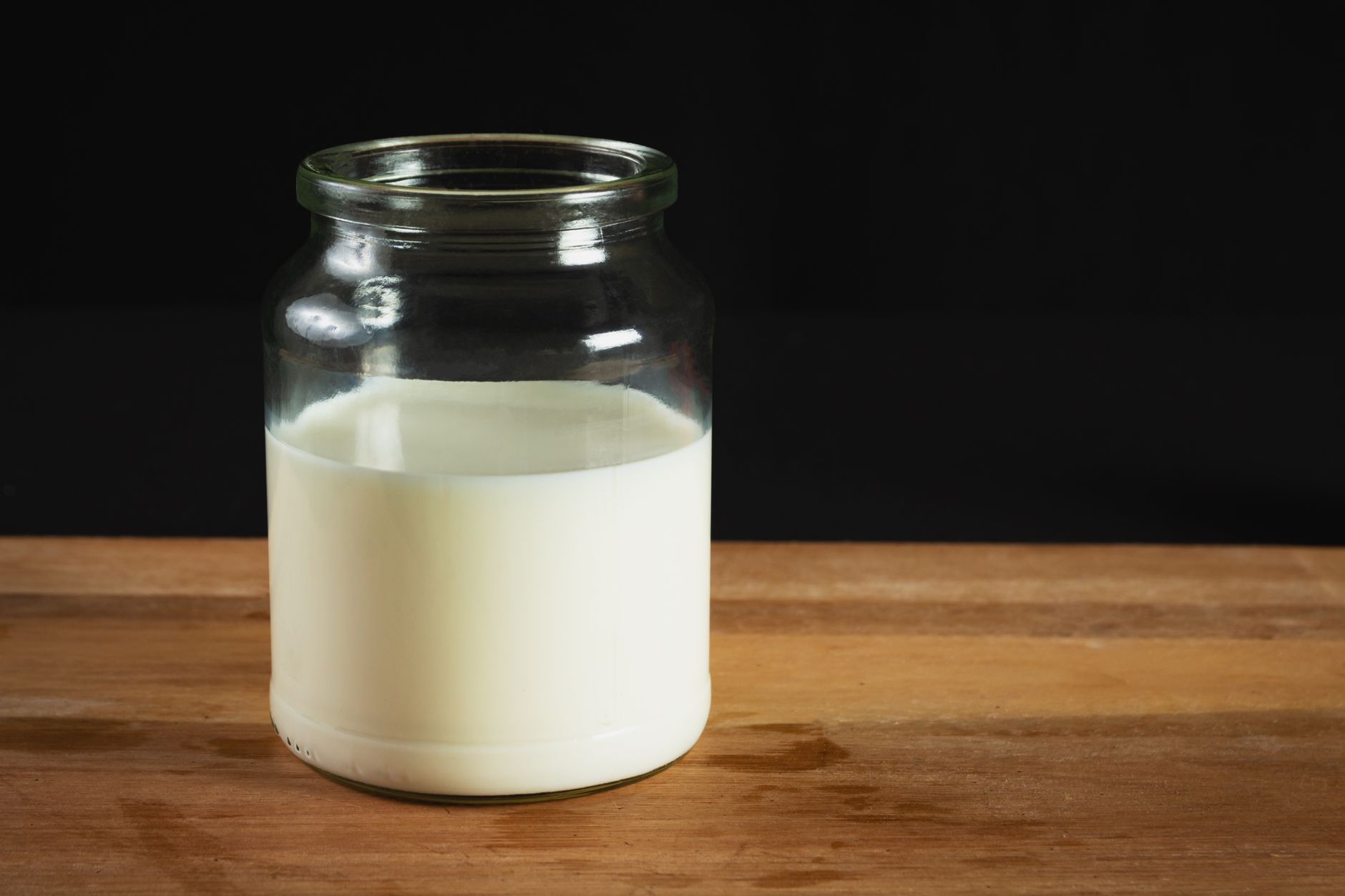
Exploring whether condensed milk is dairy brings together two areas of interest: ingredient composition and culinary usage. For many, condensed milk serves as a sweet, rich addition to recipes ranging from desserts to beverages. Understanding its ingredients helps clarify its role in the diet, particularly for those with dietary restrictions or preferences.
This article delves into what condensed milk is, its composition, the implications of its dairy content, and tips for reading product labels, especially for those concerned with lactose intolerance, dairy allergies, or vegan preferences.
Is Condensed Milk Dairy?
Yes, condensed milk is considered a dairy product. It is a thick, sweet product made from cow’s milk, where water has been removed and sugar added. This process results in a shelf-stable product, often used in desserts and other sweet dishes.
What is Condensed Milk?
Condensed milk is produced by removing most of the water content from regular cow’s milk. The remaining milk is then sweetened and canned for preservation. The result is a thick, syrupy substance that is sweetened and has a concentrated flavor of milk.
Types of Condensed Milk
- Sweetened Condensed Milk: The most common form, it contains added sugar, making it sweet and perfect for desserts.
- Unsweetened Condensed Milk: Less common but available, this option is used primarily in savory dishes or for those seeking a lower-sugar option.
- Evaporated Milk: Often confused with condensed milk, evaporated milk is unsweetened and has no sugar added. It is also thickened, but it is not sweet or syrupy.
How is Condensed Milk Made?
The process of making condensed milk involves several steps:
- The starting point is fresh whole milk. The milk is heated to remove about 60% of its water content through evaporation.
- After evaporation, sugar is added to the concentrated milk. Typically, around 40% sugar is added, which helps preserve it and gives it a sweet taste.
- The mixture is then heated again to dissolve the sugar completely.
- Once the desired consistency is achieved, the condensed milk is cooled and canned, making it shelf-stable.
Nutritional Profile of Condensed Milk
Condensed milk is high in calories due to its sugar and fat content. Below is a general overview of its nutritional components per two-tablespoon serving:
- Calories: Approximately 60-90 calories
- Total Fat: About 3-5 grams
- Saturated Fat: Around 2 grams
- Carbohydrates: Approximately 10-14 grams
- Sugars: Roughly 10-12 grams
- Protein: About 1.5 grams
- Calcium: Good source – contributing to daily calcium intake
Keep in mind that the exact values may vary based on the brand and type of condensed milk.
Label-Reading Tips for Condensed Milk
When purchasing condensed milk, understanding how to read labels is crucial, especially if you have dietary restrictions:
- Check for Dairy Content: All traditional condensed milk is made from cow’s milk. Look for labels that explicitly state this if you’re concerned about dairy products.
- Identify Added Ingredients: Some brands include artificial flavors, stabilizers, or preservatives. Opt for brands with fewer additives for a more natural product.
- Sugar Content: Be aware of total sugars listed. Regular sweetened condensed milk will contain significant amounts of sugar.
- Determine Lactose Content: If you are lactose intolerant, consider lactose-free brands, which are becoming more widely available.
Common Uses of Condensed Milk in Cooking and Baking
Condensed milk shines in various culinary applications:
- Baking: Used to create moist cakes, fudge, and cookies.
- Desserts: Essential for making traditional desserts like key lime pie, flan, or tres leches cake.
- Drinks: Adds sweetness and creaminess to beverages like Vietnamese coffee and Thai iced tea.
- Ice Creams and Sorbets: Used to create a creamy consistency without needing an ice cream maker.
Substituting Condensed Milk in Recipes
If you find yourself without condensed milk or have dietary restrictions, there are alternatives:
- Coconut Milk and Sugar: Combine equal parts coconut milk and sugar to simulate sweetened condensed milk. Allow it to simmer until thickened.
- Evaporated Milk with Sugar: Use evaporated milk and add 1.25 cups of sugar for every cup of evaporated milk to replace one cup of sweetened condensed milk.
- Heavy Cream and Sugar: Mix one cup of heavy cream with one cup of sugar, and whisk until thickened for a similar effect.
Common Mistakes When Using Condensed Milk
Using condensed milk can be straightforward, yet certain pitfalls can affect the outcome of your dishes:
- Overheating: When heating condensed milk, avoid boiling it, as it can affect the texture and develop a burnt flavor.
- Incorrect Substitutions: Using evaporated milk directly in place of sweetened condensed milk can lead to unsweet dishes.
- Not Adjusting Other Ingredients: If you use condensed milk, be cautious of adding additional sugars to your recipes, as it is already sweet.
Storing Condensed Milk
Proper storage of condensed milk can ensure its longevity and flavor:
- Unopened Cans: Store in a cool, dry place, such as a pantry. Ensure it is not exposed to excessive heat.
- Opened Cans: Store remaining condensed milk in an airtight container in the refrigerator. Use within one week for best quality.
- Freezing: If you have leftover condensed milk, it can be frozen in ice cube trays for later use, though it may change in texture upon thawing.
Conclusion
Condensed milk is a versatile dairy product that enhances numerous recipes with its rich sweetness and creamy texture. By understanding its composition, uses, and storage methods, you can better incorporate it into your cooking and baking. Whether you’re making a batch of fudge, whipping up a smoothie, or creating a classic dessert, knowing how to handle and substitute condensed milk can elevate your culinary creations.
For more culinary inspiration and guidance, explore our easy cottage cheese dip recipe or try making delicious cottage cheese brownies to satisfy your sweet tooth!