
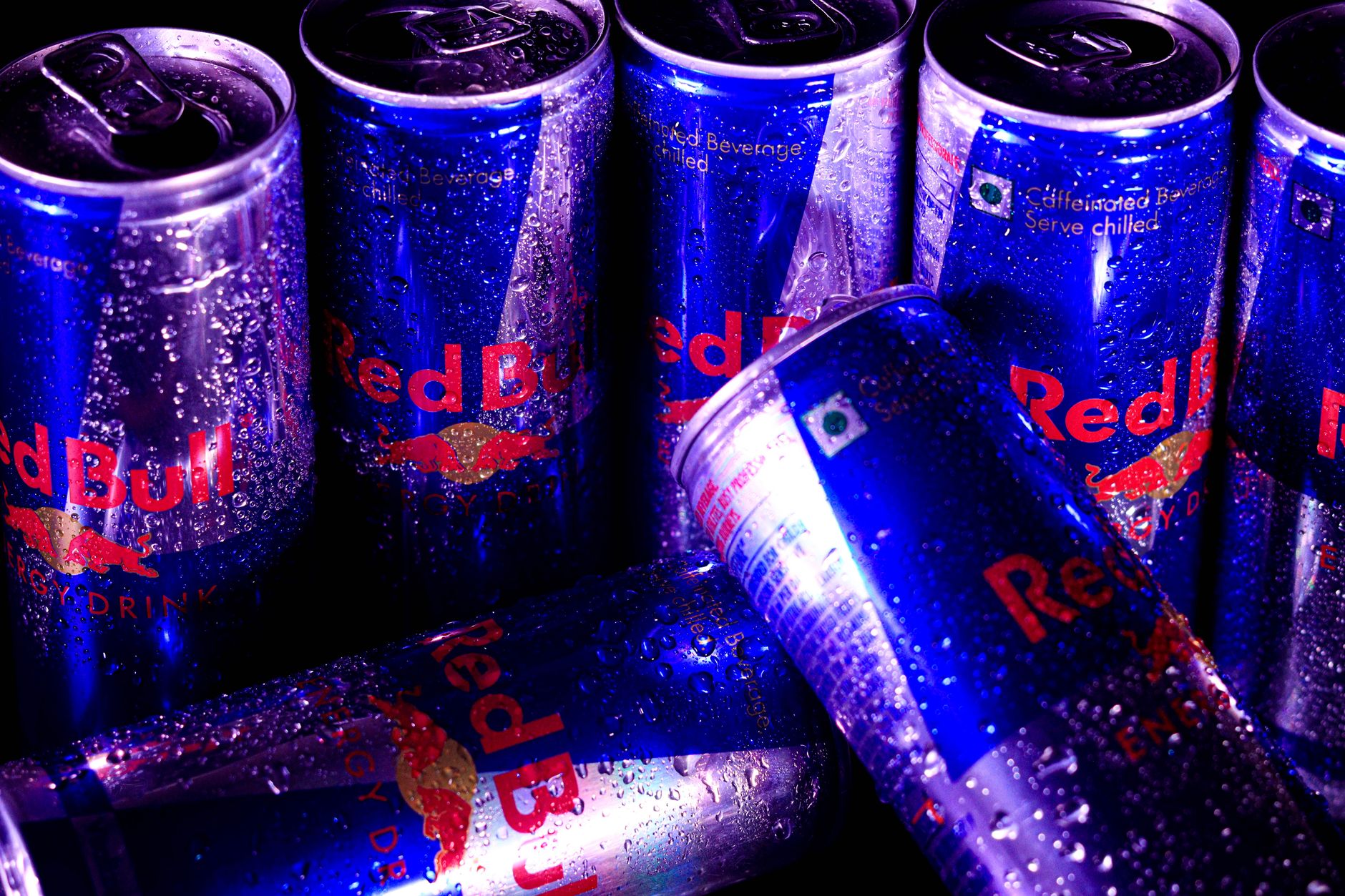
Red Bull is one of the most popular energy drinks in the world, known for its ability to boost energy and increase alertness. However, growing concerns about its potential side effects, including the impact on fertility, have led many to question whether consuming this beverage might affect reproductive health.
This article aims to address the question: Can Red Bull make you infertile? We will explore its ingredients, potential effects on fertility, relevant scientific studies, and practical advice for consumers, especially those concerned about their reproductive health.
Can Red Bull Make You Infertile?
Research on the direct impact of Red Bull on fertility is limited. While excessive consumption of energy drinks may lead to caffeine overload and other lifestyle issues affecting reproductive health, the evidence specifically linking Red Bull to infertility remains inconclusive.
Understanding Red Bull’s Ingredients
To comprehend how Red Bull might affect fertility, it is crucial to identify its main ingredients. Here are the key components:
- Caffeine: A central nervous system stimulant that increases alertness and reduces fatigue.
- Taurine: An amino acid believed to support various bodily functions, including heart health.
- Vitamins: Red Bull contains B vitamins such as niacin, riboflavin, and B6, which support energy metabolism.
- Sugar: Provides a quick source of energy, with many varieties containing high amounts of sugar alternatives.
The Impact of Caffeine on Fertility
Caffeine is one of the primary active ingredients in Red Bull. Although moderate caffeine consumption is generally considered safe, several studies suggest that high caffeine intake may adversely affect fertility.
Caffeine and Female Fertility
Research has indicated a potential association between high caffeine intake and reduced fertility in women. A study published in the journal Fertility and Sterility suggested that women consuming more than 200 mg of caffeine per day may take longer to conceive.
Caffeine and Male Fertility
Likewise, studies show that excessive caffeine can adversely affect male fertility. Higher caffeine consumption has been linked to decreased sperm motility and lower overall sperm quality. For men trying to conceive, moderation is key.
Effects of Red Bull on Overall Health
While the direct impact of Red Bull on fertility requires further study, its effects on overall health can have indirect implications. Some health concerns associated with energy drink consumption include:
- Weight Gain: High sugar content can contribute to obesity, which is known to affect fertility.
- Increased Stress Levels: High caffeine levels can lead to increased anxiety, potentially affecting reproductive health.
- Interference with Sleep: Regular consumption may disrupt sleep patterns, contributing to fatigue and health problems.
Scientific Studies on Energy Drinks and Fertility
There is limited direct research connecting Red Bull specifically to fertility issues; however, broader studies on energy drinks reveal essential insights. Some studies note that energy drink consumption may influence hormone levels, thus potentially affecting reproductive functions.
Investigating Hormonal Changes
Research published in the American Journal of Epidemiology highlights concerns regarding energy drink consumption and its relationship with reproductive hormones. Hormonal imbalances can have a significant impact on fertility, particularly in women.
Long-Term Health Risks
Besides potential infertility concerns, excessive energy drink consumption contributes to long-term health risks, including cardiovascular diseases and metabolic disorders. These conditions can further impair fertility.
Practical Guidelines for Energy Drink Consumption
While the evidence linking Red Bull to infertility remains unclear, those concerned about their reproductive health should consider moderation. Here are practical guidelines:
- Limit Consumption: If you choose to consume energy drinks, do so in moderation. A single can of Red Bull contains approximately 80 mg of caffeine, which is roughly equivalent to a cup of coffee.
- Consider Alternatives: Herbal teas or natural fruit juices can be healthier options for energy boosts without high caffeine or sugar levels.
- Focus on Nutrition: A well-balanced diet rich in antioxidants, vitamins, and minerals supports reproductive health.
Choosing a Healthy Lifestyle for Fertility
Beyond moderating consumption of energy drinks like Red Bull, other lifestyle choices can significantly impact fertility. Maintaining a healthy lifestyle is essential for both men and women. Here are some actionable tips:
Dietary Choices
Eating a variety of fruits, vegetables, whole grains, lean proteins, and healthy fats can provide the nutrients essential for reproductive health.
Regular Exercise
Engaging in regular physical activity helps maintain a healthy weight, reduces stress, and lowers the risk of chronic diseases.
Avoiding Tobacco and Alcohol
Avoiding smoking and limiting alcohol intake can improve fertility prospects for both men and women. These substances can negatively impact hormone levels and overall reproductive health.
Managing Stress
Techniques such as yoga, meditation, or deep-breathing exercises can help manage stress, which may otherwise hinder fertility.
When to Seek Professional Guidance
If you have concerns regarding fertility, it is advisable to consult a healthcare professional. They can guide lifestyle changes, recommend appropriate tests, and provide insight into fertility treatments if necessary.
Conclusion
The direct evidence linking Red Bull to infertility is limited. However, caffeine and sugar consumption could pose risks to reproductive health in higher amounts. Therefore, individuals concerned about fertility should moderate their intake of energy drinks. By adopting a balanced, healthy lifestyle, including proper nutrition, physical activity, and stress management, one can better support reproductive health.
For readers interested in enhancing their health, consider exploring the benefits of superfoods such as chia seeds, which can be found in articles like What Are the Benefits of Chia Seeds or try out a delicious Chia Pudding Recipe with Coconut Milk to help boost your nutrient intake.